




India customers to view on amazon.in
11 Powerful Higher Education Shifts Students Must Know Now
The academic world is shifting at a rapid pace. It is vital to stay informed about current higher education changes to thrive in the modern job market. Today, modern tools are at the very heart of how we gain new skills and professional knowledge.
- 1. Artificial Intelligence and EdTech Are Revolutionizing How You Learn
- Personalized Learning Powered by AI Algorithms
- Smart Study Tools and Virtual Teaching Assistants
- What This Means for Your Study Habits and Success
- 2. Micro-Credentials and Skills-Based Education Are Replacing Traditional Degrees
- Understanding Digital Badges and Stackable Certificates
- How Employers View Alternative Credentials
- Building a Competitive Portfolio with Micro-Credentials
- 3. Hybrid and Flexible Learning Models Give You Control Over Your Education
- Blended Classrooms Combining Online and In-Person Learning
- Asynchronous Options for Working Students
- Maximizing the Benefits of Flexible Scheduling
- 4. University-Industry Partnerships Are Creating Direct Career Pathways
- Internship-Integrated Programs and Co-op Experiences
- Industry-Sponsored Projects and Real-World Problem Solving
- Networking Opportunities Through Corporate Collaborations
- 5. Global Competition Is Reshaping International Student Experiences
- How Universities Are Attracting and Supporting International Students
- Cross-Border Learning and Global Campus Networks
- Leveraging International Opportunities for Career Growth
- 6. Undergraduate Research Opportunities Are Now Accessible to All Students
- Early Research Experience and Its Career Impact
- Funding Sources and Faculty Mentorship Programs
- Turning Research Skills Into Professional Advantages
- 7. Interdisciplinary Programs Let You Customize Your Educational Path
- Breaking Away from Single-Major Limitations
- Creating Unique Skill Combinations Employers Value
- Navigating Personalized Learning Pathways Successfully
- 8. Mental Health and Wellness Support Are Central to Student Success
- Comprehensive Counseling and Mental Health Resources
- Wellness Programs Integrated Throughout Campus Life
- Building Resilience and Accessing Support Without Stigma
- 9. Sustainability and Climate Education Are Embedded Across All Disciplines
- Environmental Literacy as a Core Competency
- Green Innovation Labs and Sustainability Research Initiatives
- Career Opportunities in the Growing Green Economy
- 10. Entrepreneurship Ecosystems Are Turning Students Into Innovators
- Campus Startup Incubators and Accelerator Programs
- Entrepreneurship Education Beyond Business Majors
- Resources for Launching Your Own Venture While in School
- Conclusion
- FAQ
- How is artificial intelligence changing the classroom experience in 2026?
- Are micro-credentials as valuable as a traditional four-year degree?
- What are the benefits of hybrid and flexible learning models for modern students?
- How can university-industry partnerships help me find a job?
- How is global competition affecting international student mobility?
- Can undergraduate students participate in high-level research?
- Why should I consider interdisciplinary university studies?
- What kind of mental health and support services can I expect on campus?
- How is sustainability being integrated into the university curriculum?
- Are there resources for students who want to start their own business?
- What is the importance of lifelong learning programs in the modern era?

We are seeing many educational innovations that make college more flexible for various types of learners. Digital platforms now allow you to study from anywhere at any time that fits your schedule. This significant shift helps people balance their busy lives with their personal growth goals.
The path to a career is also evolving to focus more on specific real-world requirements. Many people choose specialized short programs to get ready for the workforce more quickly. These fresh patterns show that traditional degrees are no longer the only way to reach your career dreams.
Key Takeaways
- Artificial intelligence tools are transforming the way people learn in classrooms.
- Short-term certificates are becoming very valuable for finding stable work.
- Online models offer the flexibility needed by today’s busy adults.
- Practical skills are becoming more important than just having a diploma.
- Immersive technology creates better ways to practice job tasks safely.
- Colleges are changing their programs to match current job trends.
1. Artificial Intelligence and EdTech Are Revolutionizing How You Learn
The integration of Artificial Intelligence (AI) and Educational Technology (EdTech) is transforming the higher education landscape in unprecedented ways. This fusion is not only making learning more accessible but also significantly enhancing its effectiveness.

Personalized Learning Powered by AI Algorithms
AI algorithms are capable of analyzing vast amounts of student data to create personalized learning plans. These plans are tailored to individual learning styles, pace, and preferences, ensuring that students receive the most effective support for their academic success.
For instance, AI-driven systems can identify areas where a student is struggling and provide targeted resources to help them improve. This adaptive learning approach ensures that students are neither left behind nor held back by a one-size-fits-all curriculum.
Smart Study Tools and Virtual Teaching Assistants
EdTech is introducing a range of smart study tools and virtual teaching assistants that support students throughout their academic journey. These tools can offer real-time feedback, assist with time management, and provide additional learning resources.
- Intelligent tutoring systems that offer one-on-one support
- Automated grading systems that free up instructors to focus on teaching
- Virtual study groups that facilitate collaboration and discussion
What This Means for Your Study Habits and Success
The integration of AI and EdTech in higher education requires students to adapt their study habits to leverage these tools effectively. By doing so, students can maximize their potential for success and achieve better academic outcomes.
To succeed in this new educational landscape, students should be open to using new technologies and willing to evolve their learning strategies. This might involve:
- Embracing AI-powered learning tools to enhance their understanding of complex concepts
- Utilizing virtual teaching assistants to stay organized and on track
- Engaging with smart study tools to reinforce their learning and identify areas for improvement
2. Micro-Credentials and Skills-Based Education Are Replacing Traditional Degrees
As the job market evolves, the traditional degree model is being challenged by micro-credentials and skills-based education. This shift is driven by the need for more specific, job-ready skills that traditional degrees sometimes fail to provide.
Understanding Digital Badges and Stackable Certificates
Micro-credentials, such as digital badges and stackable certificates, are becoming increasingly popular. These credentials are designed to validate specific skills or competencies, making it easier for students to demonstrate their capabilities to potential employers.
Digital badges, for instance, are visual representations of achievements or skills earned by students. They can be displayed on resumes, LinkedIn profiles, or personal websites, providing a clear and verifiable way to showcase one’s skills.
Stackable certificates, on the other hand, allow students to build upon their skills incrementally. Each certificate represents a specific competency, and as students collect more certificates, they can stack them to demonstrate a comprehensive set of skills.

How Employers View Alternative Credentials
Employers are increasingly recognizing the value of alternative credentials. A survey by LinkedIn found that 63% of talent professionals believe that skills-based hiring is more effective than traditional degree-based hiring.
The reasons for this shift are multifaceted:
- Specificity: Micro-credentials clearly define the skills an individual possesses.
- Relevance: They are often designed in collaboration with industry partners, ensuring the skills are relevant and up-to-date.
- Efficiency: Employers can quickly identify candidates with the necessary skills, reducing the time and cost associated with training.
Building a Competitive Portfolio with Micro-Credentials
To build a competitive portfolio, students should focus on acquiring micro-credentials that are in high demand. This involves:
- Identifying key skills required in their chosen field.
- Seeking out programs that offer relevant micro-credentials.
- Showcasing these credentials effectively on professional platforms.
By doing so, students can enhance their employability and stand out in a competitive job market.
3. Hybrid and Flexible Learning Models Give You Control Over Your Education
The rise of hybrid and flexible learning models is transforming higher education by giving students more control over their learning experience. This shift is driven by the growing demand for online degree programs and the need for more adaptable learning environments.
One of the key features of hybrid and flexible learning models is the integration of online and in-person instruction. Blended classrooms are becoming increasingly popular, offering students the benefits of both online and offline learning.
Blended Classrooms Combining Online and In-Person Learning
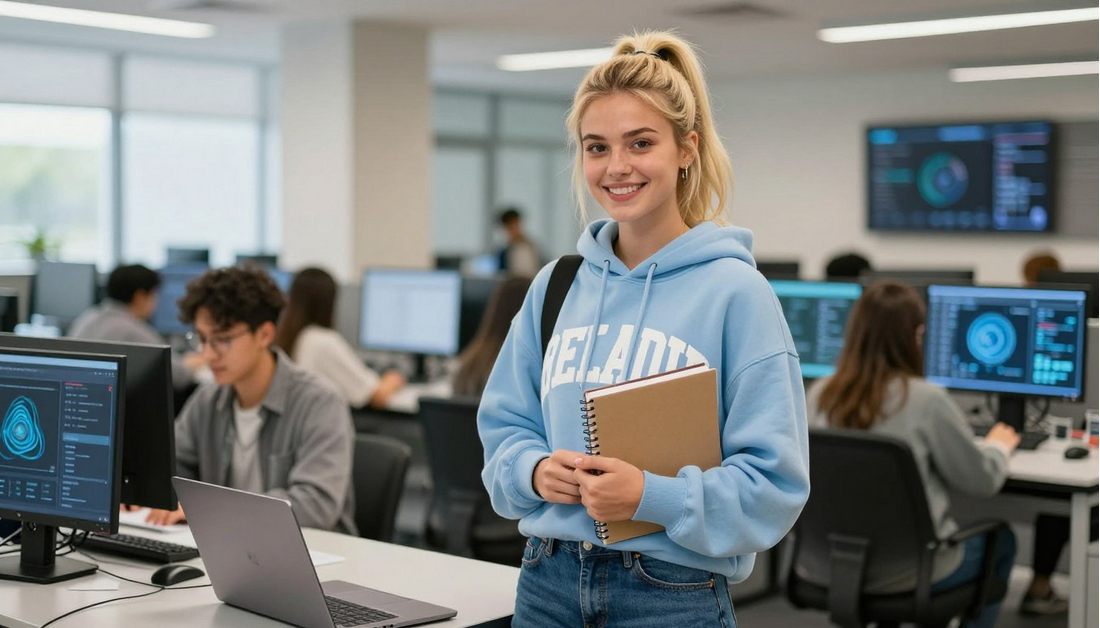
Blended classrooms provide students with the flexibility to attend classes online or in-person, depending on their needs and preferences. This approach allows for more effective use of class time, as students can review course materials online before attending in-person sessions.
Asynchronous Options for Working Students
Asynchronous learning options are particularly beneficial for working students, who can balance their academic and professional commitments more effectively. By allowing students to access course materials and complete assignments at their own pace, asynchronous learning helps to reduce the pressure on students and improve their overall learning experience.
Maximizing the Benefits of Flexible Scheduling
To maximize the benefits of flexible scheduling, students need to be proactive in managing their time and staying organized. By creating a schedule that balances academic and personal responsibilities, students can make the most of the flexibility offered by hybrid and flexible learning models.
By embracing hybrid and flexible learning models, students can take control of their education and create a learning environment that suits their needs. As the demand for online degree programs continues to grow, it is likely that we will see even more innovative approaches to blended and flexible learning in the future.
4. University-Industry Partnerships Are Creating Direct Career Pathways
As the job market evolves, universities are forging stronger ties with industries to create direct career pathways for students. This shift is transforming the higher education landscape by providing students with practical experience and industry insights that are invaluable in today’s competitive job market.
Universities are now collaborating with industries in various innovative ways, ensuring that students are well-prepared for their future careers. These collaborations not only enhance the learning experience but also open up new opportunities for students to engage with potential employers.
Internship-Integrated Programs and Co-op Experiences
Internship-integrated programs and co-op experiences are becoming increasingly popular as they allow students to apply theoretical knowledge in real-world settings. These programs are designed to give students hands-on experience in their chosen field, making them more attractive to potential employers.
For instance, many universities now offer co-op programs that alternate between academic study and paid work experience. This not only helps students gain practical skills but also provides them with a salary and professional network.

Industry-Sponsored Projects and Real-World Problem Solving
Industry-sponsored projects are another way universities are collaborating with industries. These projects enable students to work on real-world problems, developing solutions that are relevant and valuable to the industry.
By working on such projects, students gain experience in tackling complex problems and develop critical thinking and problem-solving skills. This exposure also helps them understand the industry’s needs and challenges, making them more employable.
Networking Opportunities Through Corporate Collaborations
Corporate collaborations offer students valuable networking opportunities. By interacting with industry professionals, students can build relationships that may lead to job opportunities upon graduation.
Universities are facilitating these interactions through various events, workshops, and seminars where industry experts share their insights and experiences. This not only enriches the students’ learning experience but also provides them with a professional network that can be beneficial in their future careers.
5. Global Competition Is Reshaping International Student Experiences
As the demand for global talent rises, universities are competing fiercely to attract international students. This competition is driving innovation in how institutions support and engage their international student populations.
The global higher education landscape is witnessing a significant shift. Universities are no longer just competing locally; they are now part of a global market where attracting the best talent from around the world is crucial.
How Universities Are Attracting and Supporting International Students
Universities are implementing various strategies to attract and support international students. These include offering scholarships and financial aid specifically for international students, enhancing language support services, and creating culturally diverse campus environments.
Many institutions are also investing in international student recruitment by participating in global education fairs, leveraging social media, and establishing partnerships with international schools.
Cross-Border Learning and Global Campus Networks
The rise of cross-border learning initiatives and global campus networks is providing students with unprecedented opportunities to study abroad and gain international experience. These programs allow students to earn credits from partner institutions, enhancing their academic portfolio.
Global campus networks enable students to move between campuses in different countries, immersing themselves in various academic and cultural environments.
Leveraging International Opportunities for Career Growth
By participating in international programs, students can significantly enhance their career prospects. International experience is highly valued by employers, as it demonstrates adaptability, cultural awareness, and a global perspective.
Students who leverage these opportunities can develop a competitive edge in the job market, opening doors to global career pathways.
6. Undergraduate Research Opportunities Are Now Accessible to All Students
Undergraduate research is no longer a privilege reserved for a select few; it’s now a viable option for students from all academic backgrounds. This shift is transforming the higher education landscape, providing students with hands-on experience and skills that are highly valued in the job market.
The benefits of undergraduate research are multifaceted. Not only does it deepen students’ understanding of their chosen field, but it also fosters critical thinking, problem-solving, and collaboration skills. As a result, students who participate in research projects are better equipped to tackle complex challenges and contribute meaningfully to their future workplaces.
Early Research Experience and Its Career Impact
Engaging in research early in their academic careers can have a profound impact on students’ professional trajectories. Early research experience helps students develop a range of skills, from data analysis and interpretation to project management and teamwork. These skills are highly transferable across various industries and can significantly enhance a student’s employability.
Moreover, participating in research projects allows students to explore their interests and aptitudes, potentially uncovering hidden talents and career paths they may not have considered otherwise. By doing so, students can make more informed decisions about their future careers and create a competitive edge in the job market.

Funding Sources and Faculty Mentorship Programs
To support undergraduate research, many institutions offer research funding competitions and grants. These funding opportunities enable students to pursue their research interests without financial constraints, allowing them to focus on their projects and achieve meaningful outcomes.
In addition to financial support, faculty mentorship programs play a crucial role in guiding students through their research endeavors. Experienced faculty members provide valuable insights, advice, and direction, helping students navigate the research process and produce high-quality work.
- Research funding competitions
- Faculty mentorship programs
- Collaborative research projects
Turning Research Skills Into Professional Advantages
The skills acquired through undergraduate research are highly valued by employers across various sectors. By highlighting their research experience on resumes and in job interviews, students can demonstrate their capabilities and stand out in a competitive job market.
Furthermore, the experience gained from conducting research can be a significant talking point in professional settings, showcasing a student’s ability to work independently, think critically, and solve complex problems. As such, undergraduate research opportunities not only enrich students’ academic experiences but also provide a tangible advantage in their future careers.
7. Interdisciplinary Programs Let You Customize Your Educational Path
The rise of interdisciplinary university studies is empowering students to take charge of their educational paths, creating unique skill combinations that are highly valued by employers. This shift towards personalized learning is driven by the recognition that traditional single-major programs may not fully prepare students for the complexities of the modern workforce.
By combining multiple disciplines, students can develop a more nuanced understanding of their chosen field and enhance their career prospects. For instance, a student majoring in computer science can benefit from taking courses in psychology to understand user experience better, thereby creating a unique blend of technical and interpersonal skills.
Breaking Away from Single-Major Limitations
Interdisciplinary programs allow students to break free from the constraints of traditional majors, enabling them to explore a broader range of subjects and interests. This flexibility is particularly beneficial in today’s fast-changing job market, where adaptability and a diverse skill set are highly prized by employers.
For example, a student interested in environmental sustainability can combine courses from environmental science, economics, and policy to gain a comprehensive understanding of the field and develop practical solutions to real-world problems.
Creating Unique Skill Combinations Employers Value
Employers are increasingly looking for graduates who can bring a unique combination of skills to the workplace. By pursuing interdisciplinary studies, students can develop these valuable skill combinations, enhancing their employability and career advancement opportunities.
| Discipline Combination | Career Opportunities |
|---|---|
| Computer Science + Psychology | User Experience Designer, AI Ethicist |
| Environmental Science + Economics + Policy | Sustainability Consultant, Environmental Policy Analyst |
| Business + Data Science | Data-Driven Business Strategist, Market Analyst |
As noted by
“The future belongs to those who can combine seemingly unrelated fields to create innovative solutions.”
This approach not only enhances career prospects but also fosters a more engaged and motivated student body.
Navigating Personalized Learning Pathways Successfully
Navigating personalized learning pathways requires careful planning and a clear understanding of one’s career goals. Students should work closely with academic advisors to ensure that their interdisciplinary program aligns with their professional aspirations.
Additionally, students can leverage resources such as career counseling services and industry mentorship programs to gain insights into the job market and make informed decisions about their educational path.

By embracing interdisciplinary university studies and creating their own personalized learning pathways, students can position themselves for success in a rapidly evolving job market.
8. Mental Health and Wellness Support Are Central to Student Success
As the pressures of higher education continue to mount, institutions are recognizing the critical role that mental health and wellness support play in student success. The modern academic environment is not just about achieving academic excellence; it’s also about ensuring that students are mentally and emotionally equipped to handle the challenges they face.
Comprehensive Counseling and Mental Health Resources
Universities are now investing in comprehensive counseling services that cater to a wide range of mental health needs. These services often include individual counseling, group therapy sessions, and crisis intervention. For instance, many institutions have adopted telehealth services to make mental health support more accessible to students, especially those who might be hesitant to seek help in person.
A key aspect of these resources is the provision of mental health resources that are easily accessible to students. This can include online platforms offering coping strategies, stress management techniques, and mental health assessments. By providing these resources, universities aim to foster an environment where students feel supported and empowered to manage their mental health.
Wellness Programs Integrated Throughout Campus Life
Wellness programs are being integrated into various aspects of campus life to promote a holistic approach to student well-being. These programs can range from fitness and nutrition initiatives to mindfulness and meditation workshops. The goal is to create a campus culture that values and supports mental health as much as academic achievement.

| Wellness Program | Description | Benefits |
|---|---|---|
| Fitness Initiatives | Gym memberships, fitness classes, and sports activities | Reduces stress, improves physical health |
| Nutrition Workshops | Healthy eating seminars and cooking classes | Promotes healthy eating habits |
| Mindfulness Programs | Meditation and mindfulness exercises | Reduces anxiety, improves focus |
Building Resilience and Accessing Support Without Stigma
An essential part of mental health support is helping students build resilience and feel comfortable accessing support without fear of stigma. Universities are working to normalize discussions around mental health through awareness campaigns and by promoting stories of resilience and recovery.
By fostering an open and supportive community, institutions can help students understand that seeking help is a sign of strength, not weakness. This cultural shift is crucial in ensuring that students feel empowered to prioritize their mental health and well-being.
9. Sustainability and Climate Education Are Embedded Across All Disciplines
As the world grapples with the challenges of climate change, sustainability education is becoming a cornerstone of higher education. Universities are now recognizing the importance of preparing students to address environmental challenges and are integrating sustainability into their curricula across various disciplines.
This shift is not limited to environmental science programs; it encompasses a broad range of fields, from business and engineering to humanities and social sciences. By doing so, institutions are fostering a culture of sustainability that permeates every aspect of campus life and academic inquiry.
Environmental Literacy as a Core Competency
Environmental literacy is increasingly being recognized as a core competency for students. This involves not just understanding environmental issues but also being able to apply this knowledge to solve complex problems. Universities are developing curricula that emphasize critical thinking, problem-solving, and collaboration in the context of environmental sustainability.
For instance, programs might include coursework on sustainable development, climate change mitigation strategies, and environmental policy. By equipping students with this knowledge, universities are preparing them to be active participants in creating a more sustainable future.
Green Innovation Labs and Sustainability Research Initiatives
Green innovation labs and sustainability research initiatives are at the forefront of this educational shift. These labs provide students with hands-on experience in developing sustainable technologies and practices. They serve as incubators for innovation, where students can experiment with new ideas and collaborate with faculty and industry partners.
Some notable examples include:
- Research projects focused on renewable energy technologies
- Initiatives to reduce campus carbon footprints through sustainable practices
- Collaborations with industry leaders to develop sustainable products and services

Career Opportunities in the Growing Green Economy
The growing green economy presents a wealth of career opportunities for students with expertise in sustainability. As concern for the environment continues to grow, so does the demand for professionals who can drive sustainable practices and innovation. Graduates with a background in sustainability are finding careers in renewable energy, sustainable development, environmental consulting, and more.
Some of the key areas where sustainability professionals are in demand include:
- Renewable energy and clean technology
- Sustainable urban planning and development
- Environmental policy and advocacy
- Green building and sustainable architecture
By embedding sustainability and climate education across all disciplines, universities are not only preparing students for successful careers but also empowering them to be leaders in the transition to a more sustainable future.
10. Entrepreneurship Ecosystems Are Turning Students Into Innovators
Universities are now fostering a culture of innovation and entrepreneurship, transforming students into job creators rather than job seekers. This shift is largely driven by the development of robust entrepreneurship ecosystems within higher education institutions.
These ecosystems provide students with the necessary tools, mentorship, and resources to turn their ideas into successful ventures. By integrating entrepreneurship education programs into their curricula, universities are encouraging students to think creatively and develop innovative solutions to real-world problems.
Campus Startup Incubators and Accelerator Programs
One of the key components of these entrepreneurship ecosystems is the presence of campus startup incubators and accelerator programs. These programs offer students a supportive environment where they can develop their business ideas, access funding, and receive guidance from experienced entrepreneurs and industry experts.
For instance, many universities now have dedicated spaces where students can collaborate on projects, prototype their ideas, and pitch to potential investors. These incubators and accelerators not only provide the necessary infrastructure but also foster a community of like-minded individuals who share a passion for innovation and entrepreneurship.
Entrepreneurship Education Beyond Business Majors
Universities are also expanding entrepreneurship education programs beyond traditional business majors. By incorporating entrepreneurship into various disciplines, institutions are promoting a culture of innovation across the campus.
This interdisciplinary approach allows students from diverse backgrounds to come together, share their perspectives, and develop unique solutions that combine their expertise. As a result, students are better equipped to navigate the complexities of the modern economy and create value in their chosen fields.
Resources for Launching Your Own Venture While in School
Students have access to a wide range of resources for student startups, from mentorship and funding to networking opportunities and business plan competitions. These resources are designed to support students at every stage of their entrepreneurial journey, from ideation to launch.
By leveraging these resources, students can turn their ideas into viable businesses, gain practical experience, and build a strong foundation for their future careers. Whether you’re a budding entrepreneur or just looking to explore your creative potential, the startup incubators in universities provide the ideal environment to grow and succeed.
Conclusion
The future of higher education is being shaped by numerous factors, including technological innovation and evolving employer needs. As we look ahead to higher education trends 2026, it’s clear that the evolving higher education landscape will continue to impact student career readiness. To thrive in this environment, students must stay informed about these changes and adapt their strategies accordingly.
By understanding the trends and innovations reshaping higher education, students can position themselves for success. This includes leveraging opportunities such as micro-credentials, interdisciplinary programs, and university-industry partnerships to enhance their career prospects.
As the higher education sector continues to evolve, staying ahead of the curve will be crucial for students to achieve their academic and professional goals. By being aware of the future of higher education and its implications, students can make informed decisions about their educational pathways and career trajectories.