

Why Creators Can’t Stop Using Hypernatural AI in 2026
🚀 Update (July 2026): Hypernatural just launched a complete end-to-end video workspace for entrepreneurs and marketing teams — generate, storyboard, and edit in one place, with real brand control built in from the start. As of this update, new users can take 15% off their first month with code PARTNER15 on monthly plans. Try the new Hypernatural here →
- The Evolution of Digital Storytelling with Hypernatural AI
- Understanding the Core Mechanics of the Hypernatural AI Tool
- How Neural Rendering Bridges the Gap Between Reality and Fiction
- The Role of Generative Latent Spaces in Video Production
- Why Creators Are Choosing the Hypernatural AI Video Generator Over Traditional Software
- Efficiency Gains in Post-Production Workflows
- Democratizing High-End Visual Effects for Independent Creators
- The Aesthetic Shift Toward Hyperreal AI Technology
- Achieving Cinematic Quality Without a Studio Budget
- Maintaining Visual Consistency Across Long-Form Content
- Key Features That Define the Hypernatural AI Software Experience
- Impact of Enhanced Video Generation with AI on Social Media Trends
- Overcoming the Learning Curve of Modern AI Video Tools
- Ethical Considerations and Authenticity in the Age of AI
- Comparing Hypernatural AI to Other Industry Standards
- Future Projections for AI-Driven Content Creation
- Integration with Virtual Reality and Metaverse Platforms
- The Next Frontier of Automated Narrative Generation
- What’s New in Hypernatural (July 2026 Launch)
- Conclusion
- FAQ
- Why has hypernatural ai become the go-to choice for creators in 2026?
- How does the hypernatural ai tool achieve such realistic results?
- Can the hypernatural ai video generator really replace traditional post-production software?
- What exactly is hyperreal ai technology, and how does it affect cinematic quality?
- What are the standout features for professional workflows within the hypernatural ai software?
- How is enhanced video generation with ai changing social media trends on platforms like YouTube and TikTok?
- Is there a steep learning curve for those new to the hypernatural ai tool?
- How should creators handle ethical concerns and authenticity when using an artificial intelligence video tool?
The creative landscape shifted fast in 2026: digital artists and content producers moved beyond experimentation and are now routinely using hypernatural ai to expand what’s possible. By combining human intuition with machine precision, creators deliver visuals that feel both authentic and highly polished.
Why is everyone talking about this shift? Industry surveys and platform usage reports show adoption climbing this year—many studios and solo creators report workflow time savings of 30–60%—which helps explain the surge in interest. The result: ideas that once required large teams now reach final form faster, letting a creator spend more time on the story and less on repetitive technical work.
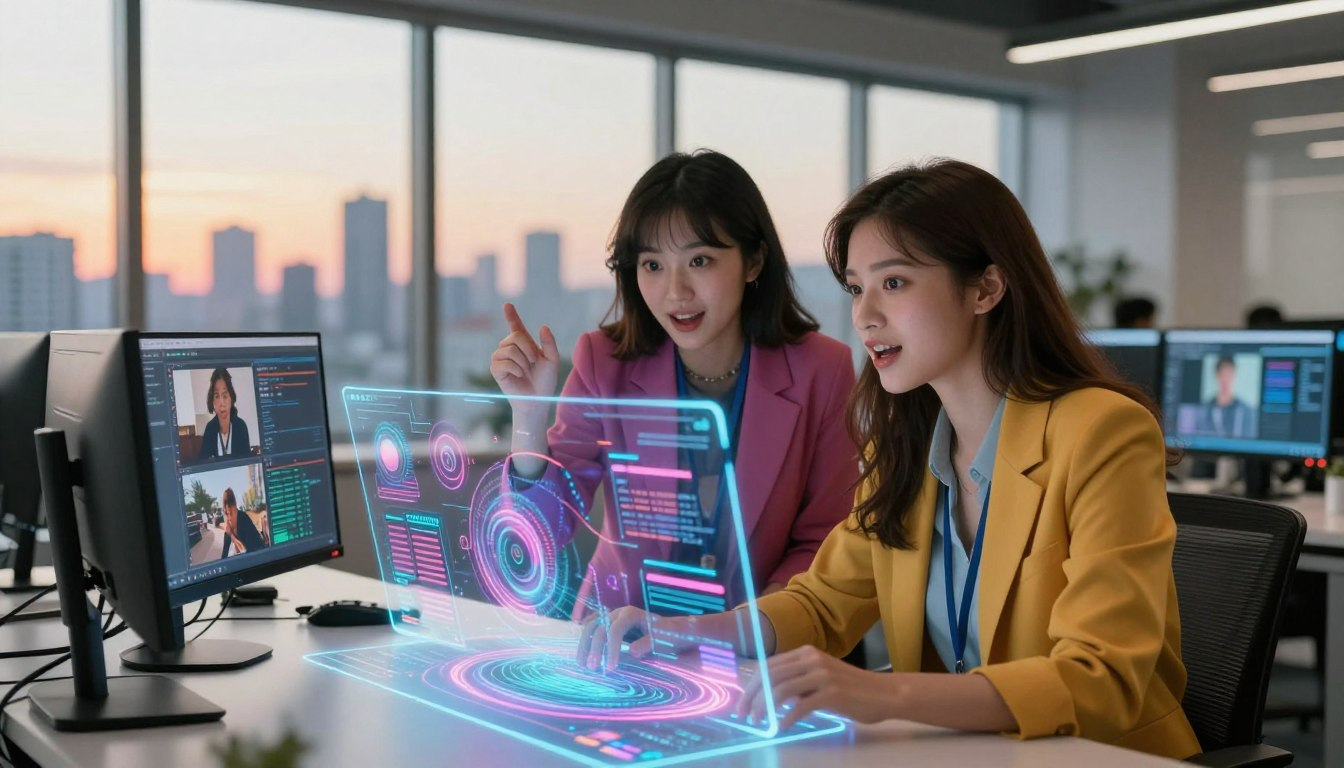
hypernatural ai hypernatural ai tool hypernatural ai video generator
This isn’t a passing trend — it’s a change in how we approach visual storytelling. From short-form social clips to episodic narratives, hypernatural ai is powering projects that grab the viewer’s attention and feel cinematic. For example, an independent filmmaker used an ai tool to prototype an entire scene in under a day, then refined pacing and composition in a single afternoon.
Key Takeaways
- Advanced creative systems are now standard for professional digital artists.
- The technology bridges the gap between raw human creativity and machine efficiency.
- Adoption rates have accelerated in 2026 as output quality and developer support improved.
- Modern creators rely on these systems to maintain a competitive edge.
- Visual storytelling is evolving toward more immersive and realistic experiences.
The Evolution of Digital Storytelling with Hypernatural AI
We’re seeing a new creative era driven by the rise of hypernatural ai. For decades, digital storytelling depended on labor-intensive pipelines, large crews, and costly studio gear—constraints that often forced creators to compromise their vision.
The move from traditional animation to smarter digital apps has been transformative. Whereas high-fidelity visuals once required months of rendering and post-production, many independent creators now prototype cinematic sequences in hours using modern tools.
This new era of hypernatural ai shifts attention back to narrative, not technical hurdles. By automating complex visual tasks, these platforms let artists iterate rapidly on ideas and story beats. As a result, the barrier to entry has fallen: a solo filmmaker can mock up a scene, refine pacing, and test different story directions in a single day.
Several key factors define this transition in the creative landscape:
- Unprecedented speed: Well-optimized workflows can cut concept-to-render time from months to hours for short sequences (benchmarks vary by developer and hardware).
- Creative freedom: Artists can explore diverse visual styles without deep 3D modeling experience.
- High-fidelity output: Generated visuals increasingly rival professional cinematography, changing how audiences view short-form content and longer stories.
Ultimately, integrating hypernatural ai into production workflows changes the way we tell stories: success depends less on resources and more on the strength of the idea and the creator’s vision. For practical next steps, see developer docs and privacy policy guidance before testing outputs in public channels.
Understanding the Core Mechanics of the Hypernatural AI Tool
Behind every convincing frame produced by these platforms is a layered system of neural processing and data mapping. The hypernatural ai tool moves beyond simple filters to form a foundation for immersive visual storytelling by combining learned models, scene priors, and user-directed prompts.
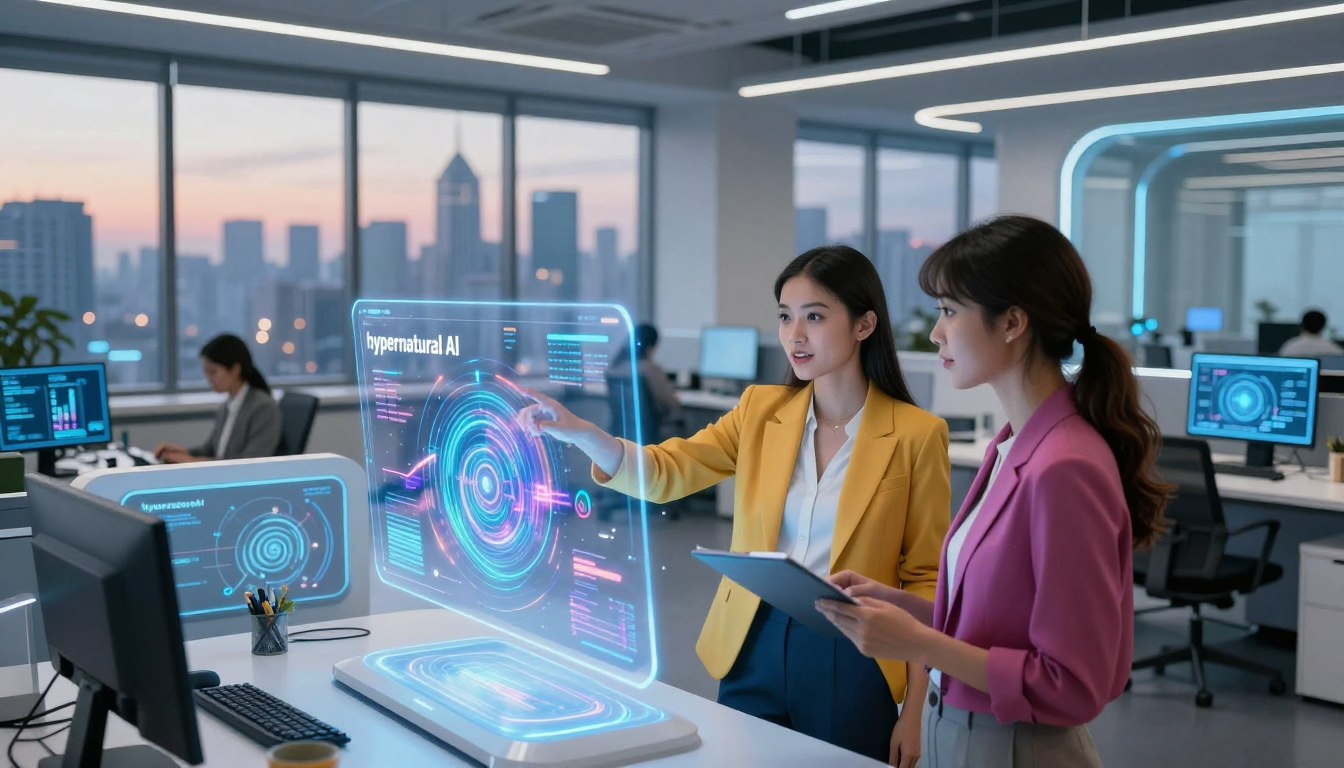
hypernatural ai tool
How Neural Rendering Bridges the Gap Between Reality and Fiction
Neural rendering translates sensor data and artist intent into cinematic visuals by modeling light, shadow, and texture with learned approximations. In plain terms: the system studies how surfaces react to light and reproduces those interactions so generated elements blend naturally with captured footage or synthetic environments.
This seamless integration is why modern creators use an ai tool for video creation to achieve consistent lighting and believable materials across shots. When tuned correctly, the approach reduces the common “uncanny valley” artifacts and helps maintain visual continuity for every scene.
The Role of Generative Latent Spaces in Video Production
Generative latent spaces act as the software’s “brain.” A text prompt or layered instruction is mapped into a high-dimensional space of visual possibilities; the system then navigates that space to select a coherent visual path. Think of it like choosing a route on a map: the AI finds the most consistent path from concept to rendered sequence.
That method gives creators unprecedented control: instead of relying on fixed assets, the tool composes unique visuals from prompt inputs and iterative refinement. For example, a simple prompt like “noir street, rain, warm streetlights” plus a style seed can produce a sequence with matching atmosphere, lighting, and character positioning—then be adjusted frame-by-frame for pacing and animation.
| FeatureTraditional RenderingHypernatural AI | ||
| Light Processing | Manual Adjustment | Neural Simulation |
| Texture Mapping | Static Assets | Dynamic Generation |
| Prompt Response | Not Applicable | High-Precision |
| Workflow Speed | Slow/Iterative | Near Real-Time (depends on developer systems) |
Why Creators Are Choosing the Hypernatural AI Video Generator Over Traditional Software
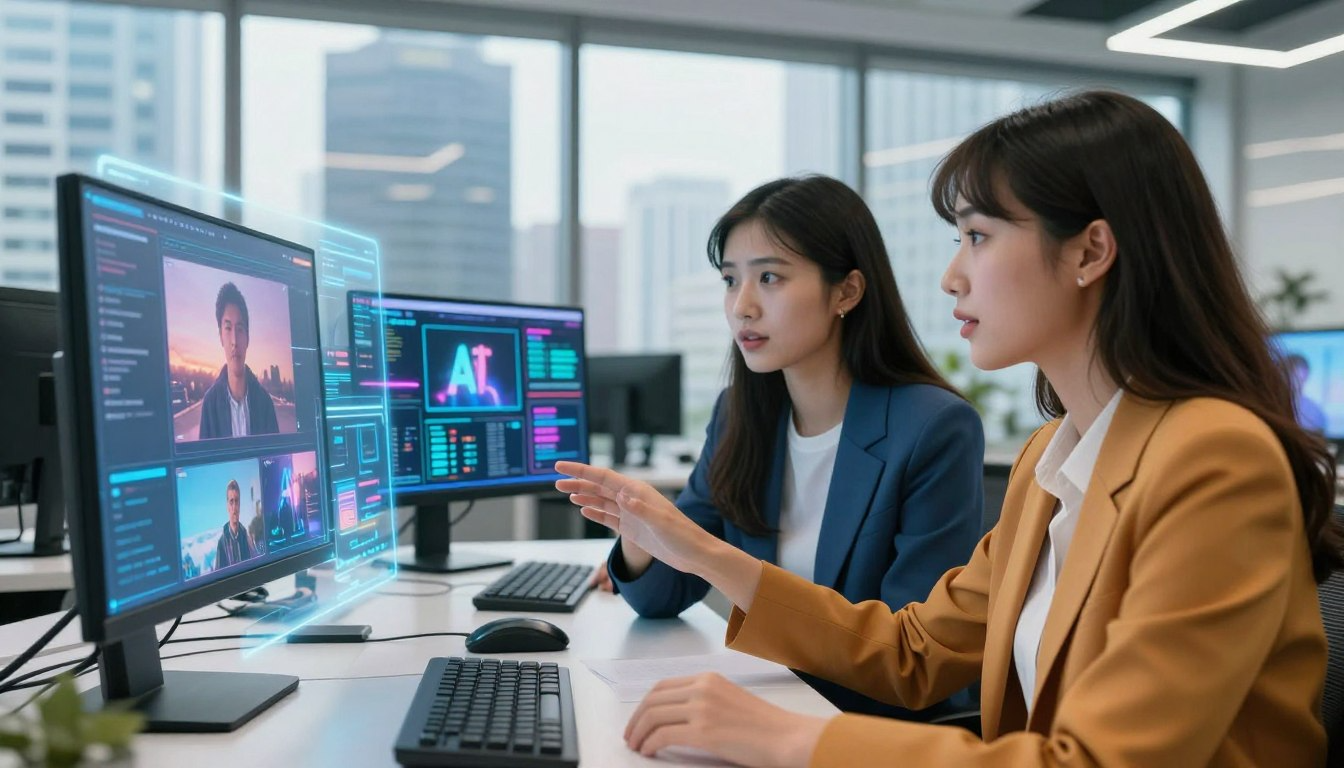
The move to a hypernatural ai video generator represents a watershed moment for digital creators. Many professionals find legacy editing suites can’t keep up with rapid content cycles, so they adopt smarter apps that automate routine work and let teams focus on creative decisions.
Efficiency Gains in Post-Production Workflows
Traditional editing requires hours of manual labor—color grading, masking, and frame-by-frame fixes. An ai tool for video creation automates many repetitive tasks, shortening render cycles and accelerating iterations. Editors report faster turnaround for short sequences, which helps maintain a steady publishing cadence without sacrificing quality.
That speed gives creators room to experiment with pacing, character blocking, and visual style. When the system handles heavy lifting, the creator can fine-tune composition, script timing, and emotional beats rather than wrestling with technical minutiae.
Democratizing High-End Visual Effects for Independent Creators
High-end VFX used to require large budgets and specialist teams. Now, the hypernatural ai video generator lowers that barrier: solo filmmakers and content creators can achieve cinematic looks through prompt-driven workflows and subscription-based access. This levels the playing field, letting independent creators compete with polished videos and professional-grade sequences on social platforms.
For teams considering this shift, evaluate developer docs and trial the app with a short test: prototype a scene, iterate on the script and pacing, then compare cost and time against your current toolchain. Also review privacy and content policies before publishing generated outputs.
| FeatureTraditional SoftwareHypernatural AI | ||
| Rendering Speed | Slow/Manual | Automated/Accelerated |
| VFX Complexity | High Skill Required | Prompt-Based |
| Cost Efficiency | Expensive Licenses | Subscription-Based |
| Learning Curve | Very Steep | Intuitive/Fast |
The Aesthetic Shift Toward Hyperreal AI Technology
The visual landscape of digital media is changing fast thanks to hyperreal ai technology. Creators can now generate lifelike visuals that were once the province of large Hollywood teams, giving independent artists a level of creative freedom previously out of reach.
Achieving Cinematic Quality Without a Studio Budget
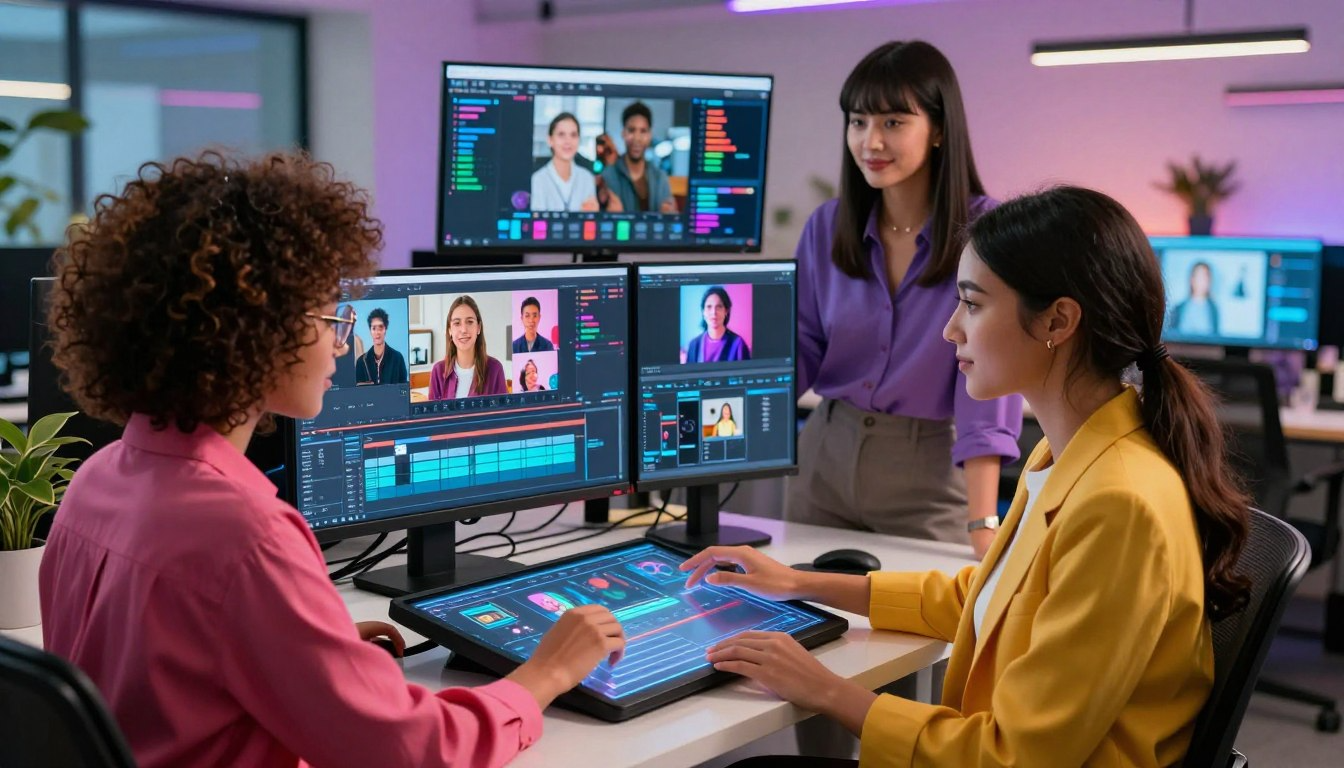
Where professional lighting and detailed textures once required physical sets and specialized camera rigs, modern tools simulate complex light physics and material properties with striking accuracy. You can produce high-fidelity scenes from a home setup, achieving realistic skin tones, fabric textures, and environmental lighting without a multi-million dollar budget.
This democratization means your storytelling is limited more by imagination than by expense. Small teams and solo creators can deliver a cinematic aesthetic that captures the viewer’s attention and gives life to ambitious ideas.
Maintaining Visual Consistency Across Long-Form Content
Keeping a consistent look across extended projects is a common challenge with generative systems. For long-form narratives, it’s critical that characters and environments remain recognizable from scene to scene. Effective use of hyperreal ai technology requires deliberate prompt engineering and seed management to lock down style and continuity.
Practical tips creators use include establishing a style guide early, recording seed values for each character and costume, and testing a reference scene before full production. Do: document seeds and reference frames; Don’t: rely on a single prompt for an entire episode without iterative checks.
| FeatureTraditional ProductionAI-Driven Workflow | ||
| Budget Requirements | High (Equipment/Crew) | Low (Software Subscription) |
| Production Time | Weeks or Months | Hours or Days |
| Visual Consistency | Controlled by Physical Sets | Controlled by Seed/Prompt Data |
| Flexibility | Rigid/Hard to Change | Highly Iterative |
Key Features That Define the Hypernatural AI Software Experience
The true power of a professional artificial intelligence video tool is the granular control it gives creators over visual output. Rather than accepting generic results, artists can specify mood, lighting, and composition for each frame to match a precise creative idea.
This precision is what makes the hypernatural ai software a game-changer. Moving beyond simple text prompts, professionals can layer instructions and tune parameters to reach a level of detail previously reserved for studio pipelines.
Advanced Prompt Engineering for Precise Visual Control
Advanced prompt engineering is the backbone of control. Use layered inputs to separate concerns—one prompt for lighting, another for texture, and a third for camera movement—so each aspect can be adjusted independently. This approach supports frame-by-frame tweaking to preserve continuity as the scene evolves.
Precision is everything. Benefits include:
- Frame-by-frame adjustment for tight continuity across shots.
- Layered prompt inputs (example: “warm rim light” + “rough textile texture”) to manage lighting and material separately.
- Dynamic camera pathing that mirrors professional cinematography and helps define pacing.
Real-Time Style Transfer and Texture Mapping
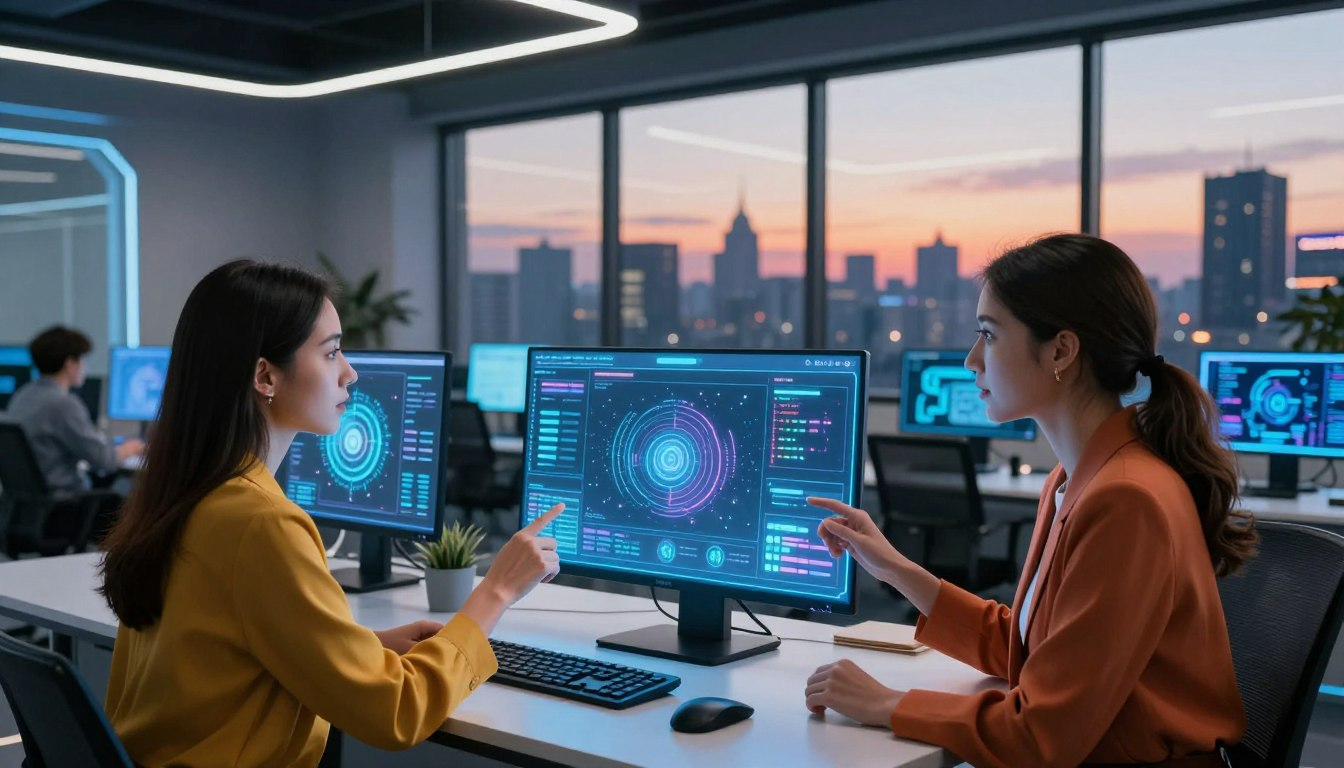
Waiting hours for renders is increasingly uncommon. Real-time style transfer and texture mapping provide immediate feedback so you can iterate on visuals and make informed creative decisions on the fly. Note: actual latency depends on the app, developer systems, and hardware.
You can apply an artistic style or a detailed texture map and see the effect across the sequence, letting you refine script timing, pacing, and emotional beats faster. For teams evaluating the software, try a short trial project: define the script, test layered prompts, and compare turnaround times to your current workflow.
Impact of Enhanced Video Generation with AI on Social Media Trends
Enhanced video generation with AI has moved from novelty to mainstream. Social platforms now reward rapid, high-quality visual content, and creators are changing how they produce and share stories to keep up. These tools let teams and solo creators generate polished visuals without large crews, shifting the balance toward creative agility.
The Rise of Short-Form Hyper-Realistic Content
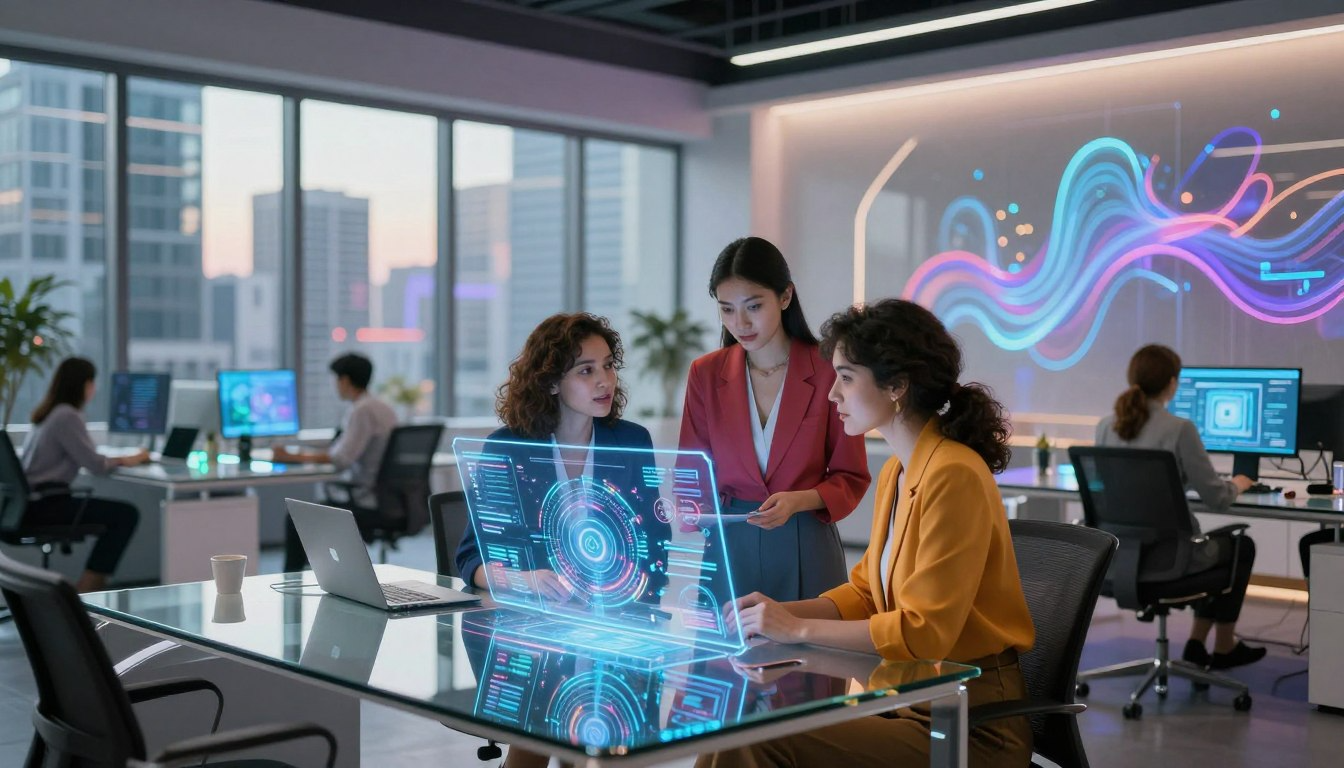
Demand for visually striking clips is higher than ever. Creators are using hyperreal ai technology to produce short-form sequences that resemble high-budget cinematic work. These pieces attract attention quickly because they offer textures, lighting, and composition that stand out in crowded feeds.
Independent creators can now rival major brands on platforms like TikTok and Instagram Reels by leveraging efficient apps and refined workflows. The ability to generate realistic textures and lighting in minutes has turned social feeds into showcases of creative craft rather than just raw footage or photo video mashups.
Changing Audience Expectations for Visual Fidelity
As content quality rises, audience expectations follow. Viewers increasingly expect a polished look, even in brief clips, which makes older, lower-fidelity posts feel dated. Creators who prioritize visual fidelity—while respecting platform rules—are more likely to grow and retain audiences.
The table below summarizes how AI-enhanced workflows compare to traditional production for short-form content:
| FeatureTraditional ProductionAI-Enhanced Workflow | ||
| Production Time | Weeks or Months | Minutes or Hours |
| Budget Requirements | High (Studio/Equipment) | Low (Software Subscription) |
| Visual Consistency | Manual and Difficult | Automated and Precise |
| Skill Barrier | Professional Training | Accessible Learning Curve |
Note: when you publish generated sequences, follow platform disclosure practices described in the ethics section—transparency builds trust and avoids policy issues. Overall, AI-driven visuals are reshaping what audiences expect from short-form content and how creators plan their next stories.
Overcoming the Learning Curve of Modern AI Video Tools
Every creator faces a learning curve when first exploring an advanced artificial intelligence video tool. The tech is powerful, but the interface and underlying logic often require a different approach to production. Patience is your greatest asset while you build fluency with prompts, seeds, and iterative passes.
Resources for Mastering Hypernatural AI Workflows
Start with official documentation from the developer: read the setup guide, review feature notes, and follow step‑by‑step visual guides rather than relying solely on demonstrations. Complement that with short, project-based exercises—choose one script, prototype a single scene, and iterate until the result matches your intent.
Recommended learning pathway:
- 1) Official docs and quickstart guides (learn the app fundamentals).
- 2) Hands-on micro-project: build one scene from script to final frame.
- 3) Share and get feedback in community channels, then refine.
Community-Driven Tips for Better Output
Community forums and Discord groups are goldmines for prompt-engineering tips and troubleshooting. When you hit a snag, search threads for similar issues—often someone has already posted a solution. Keep a simple troubleshooting log: prompt version, seed, observed issue, fix attempted.
| Resource TypePrimary BenefitDifficulty Level | ||
| Official Documentation | Technical Accuracy | Beginner |
| Guided Tutorials | Step-by-step Visual Guidance | Intermediate |
| Community Forums | Peer Troubleshooting | Advanced |
| Live Workshops | Hands-on Practice | Expert |
Ethical Considerations and Authenticity in the Age of AI
The rapid growth of synthetic media brings huge creative opportunity—and with it, clear moral responsibilities. As creators use advanced tools to generate content, the industry must confront how ai generated videos and other synthetic outputs affect public trust and factual understanding. Maintaining integrity is essential for long-term credibility.
Navigating Transparency in AI-Generated Content
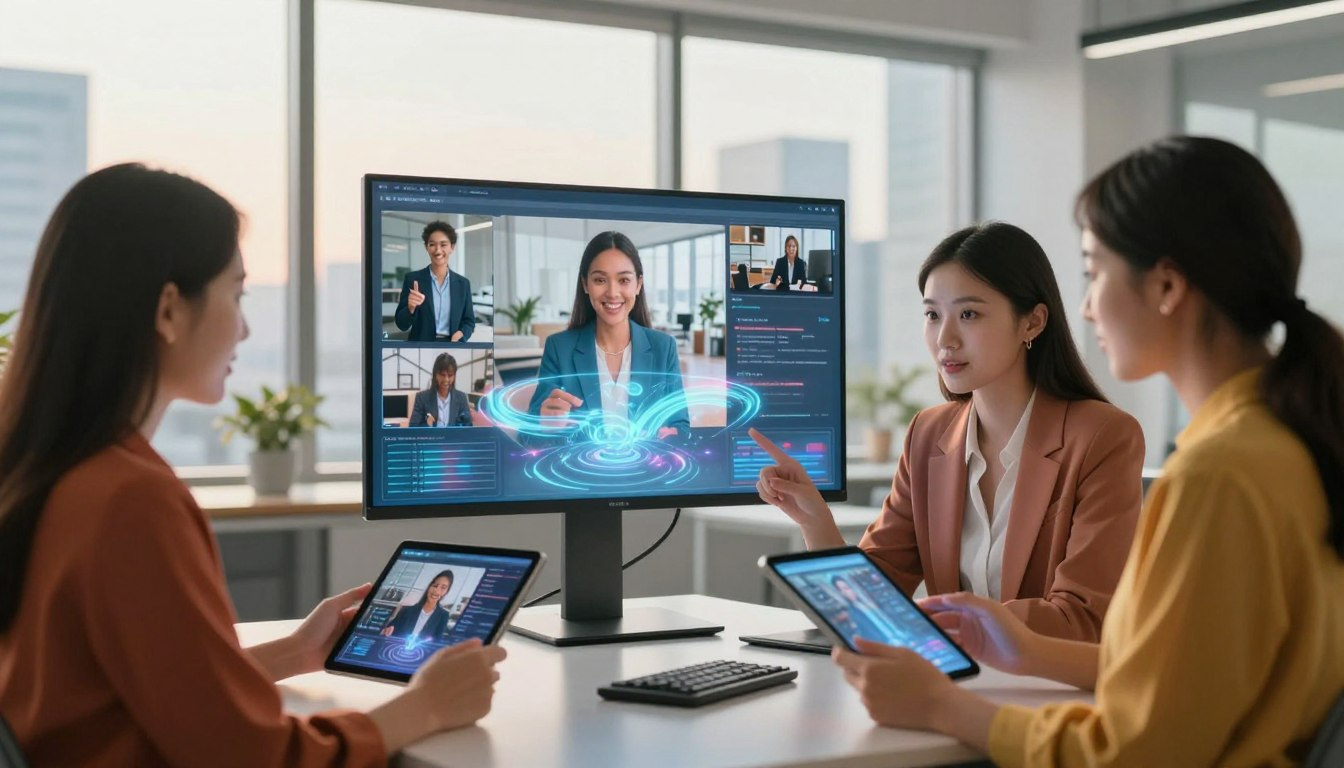
Transparency is the foundation of trust between creators and audiences. When people interact with synthetic content, they deserve clear information about its origin. Use honest disclosure practices in your post text, metadata, and any accompanying descriptions to avoid misleading viewers.
Simple disclosure templates you can adapt:
- “This content includes AI-generated visuals and voices.”
- “Some scenes use synthetic characters created with an AI tool.”
- “Generated imagery used for illustrative purposes only.”
These short lines work as metadata tags or as part of your post copy to make intent clear without distracting from the work itself.
“The goal of technology should be to augment human creativity, not to deceive the public. Authenticity remains the most valuable currency in the digital age.”
Balancing Creative Freedom with Responsible Usage
Creative freedom lets artists explore bold ideas, but it must be paired with responsibility. Hyper-realistic visuals and realistic voices can unintentionally spread misinformation or violate privacy if used carelessly. Before publishing, evaluate potential impacts on real people and consider privacy policy and platform rules.
Core practices to keep projects ethical:
- Verify sources: Don’t fabricate events or misattribute quotes to real individuals.
- Respect privacy: Avoid generating realistic likenesses of private individuals without consent, and follow age-protection guidelines for minors.
- Declare intent: Make it clear when content is illustrative, speculative, or fictional.
By following these steps—and checking platform policy and your own privacy policy—you can use AI-generated content responsibly while preserving audience trust and protecting your reputation.
Comparing Hypernatural AI to Other Industry Standards
When evaluating the current landscape of AI-driven visual production, not all platforms deliver the same creative power. Professional teams need objective metrics to choose tools that meet industry expectations for speed, fidelity, and integration with existing pipelines.
Performance Benchmarks Against Competitors
Look for verifiable data points—processing speed, resolution support, and motion synthesis accuracy—when you compare systems. Some vendors advertise native 4K and accelerated turnaround times; validate those claims with test clips and developer benchmarks before making procurement decisions.
| Feature | Typical Claim | How to Verify |
| Rendering Speed | Ultra-Fast | Run timed test clips on target hardware |
| Resolution Support | Native 4K | Export sample frames and check metadata |
| Motion Accuracy | High Precision | Compare motion vectors against ground-truth footage |
Unique Selling Points for Professional Creators
Beyond raw speed, evaluate features that affect day-to-day production: developer tooling, API access, and support for industry file formats. Consider how a system fits into your tech stack—photo assets, animation pipelines, and existing systems—and whether hypernatural systems offer the specific features you need.
Quick evaluation checklist: 1) run a short proof-of-concept clip; 2) test API and file-format compatibility with your pipeline; 3) assess developer support and documentation; 4) verify privacy and licensing terms before deployment.
Future Projections for AI-Driven Content Creation
We’re entering a phase where technology and imagination converge more tightly than ever. The tools available today are a foundation: as developer support and systems improve, creators will gain more intuitive ways to shape immersive experiences and visual sequences.
Integration with Virtual Reality and Metaverse Platforms
Near-term integrations are likely to focus on supplying real-time generated scenes and assets to VR and metaverse platforms. Imagine stepping into a virtual environment where backgrounds, props, and NPC faces adapt to user actions—these interactive visuals will make digital spaces feel more responsive and lived-in.
Developers are experimenting with advanced rendering techniques and streaming pipelines that bridge flat-screen outputs and fully 3D worlds. Expect incremental rollouts over the next 1–3 years as performance and privacy constraints are addressed.
The Next Frontier of Automated Narrative Generation
Beyond visual fidelity, the next major advance is narrative automation: branching stories driven by AI agents with persistent state. In the medium term, creators can prototype scenes that adapt to audience choices and test different story paths in minutes.
Longer-term visions—characters with lifelike motivations and memories—remain speculative and will require careful ethical, technical, and policy work. For now, treat these developments as a staged progression: short-term gains in interactivity and scene generation, followed by gradual improvements in story complexity and agent behavior.
What’s New in Hypernatural (July 2026 Launch)
Hypernatural’s latest release turns the platform into a full video workspace rather than just a generator. The pitch is simple: AI video that actually works for your brand — precision instead of AI slop. You can generate, storyboard, and edit in one place, then keep shaping the video until it genuinely looks like your brand, all without a production team.
At the time of this update, code PARTNER15 gets new users 15% off their first month on a monthly subscription. Check the latest offer here →
Conclusion
The landscape of digital art is shifting as production tools become more powerful and accessible. Artists now have the means to craft immersive worlds and polished visual sequences that once required large crews and studio budgets.
Adopting a hypernatural ai video generator can help you turn raw imagination into cinematic output more quickly. This type of hypernatural ai tool serves as a bridge between concept and finished content, letting creators focus on story, pacing, and emotional beats rather than only technical chores.
The barrier to entry for high-end production continues to drop for independent creators. If you’re evaluating these systems, start with developer documentation, run a short proof-of-concept using a simple script and photo assets, and compare results to your current pipeline. Review subscription terms, privacy policy, and content guidelines before publishing generated outputs.
FAQ
What’s new in Hypernatural in 2026?
The July 2026 release introduced a complete video workspace for entrepreneurs and marketing teams — generation, storyboarding, and editing in one place with built-in brand controls, so teams can produce consistent, on-brand video without a production crew.