



India customers to view on amazon.in
“Please note that no animals were harmed in the making of this content.”
Winter Grooming Habits To Keep Dogs Healthy
As the cold weather sets in, dog owners need to adjust their pet care routines to ensure their furry friends remain comfortable and healthy. During the winter months, dogs require special attention to their grooming needs.
- Why Winter Grooming Matters for Your Dog’s Health
- Understanding Your Dog’s Winter Coat Needs
- Natural Winter Coat Development
- Different Coat Types and Their Winter Requirements
- To Trim or Not to Trim in Winter
- Essential Winter Grooming Habits To Keep Dogs Healthy
- Brushing Techniques to Prevent Winter Coat Problems
- Best Brushing Practices for Different Coat Types
- Preventing Matting and Tangles in Snow and Ice
- Managing Winter Shedding Effectively
- Winter Bathing Strategies for Dogs
- How Often to Bathe Your Dog in Winter
- Choosing Winter-Appropriate Shampoos and Conditioners
- Post-Bath Drying Techniques for Cold Weather
- Protecting Your Dog’s Paws in Cold Weather
- Paw Pad Care and Maintenance
- Dealing with Ice, Snow, and Salt Exposure
- When to Consider Dog Booties and Paw Balms
- Preventing and Treating Dry Skin in Winter
- Signs of Winter Skin Problems to Watch For
- Moisturizing Products and Application Techniques
- Diet Adjustments for Healthy Winter Skin and Coat
- Essential Winter Grooming Tools Every Dog Owner Needs
- Brushes and Combs for Winter Coat Care
- Specialized Winter Grooming Products
- At-Home vs. Professional Grooming in Winter
- Special Winter Attention for Ears, Eyes, and Nails
- Winter Ear Care to Prevent Infections
- Eye Cleaning in Dry Winter Air
- Nail Trimming Considerations for Snow and Ice
- Conclusion: Keeping Your Dog Healthy and Happy All Winter Long
- FAQ
- How often should I groom my dog in the winter?
- Can I bathe my dog in cold weather?
- How can I protect my dog’s paws from ice and salt?
- What are the signs of dry skin in dogs during winter?
- Can I trim my dog’s coat in the winter?
- How can I prevent matting in my dog’s coat during winter?
- Are there any specific grooming products I should use in the winter?
- Should I adjust my dog’s diet in the winter to support their coat health?

Proper dog grooming is crucial in preventing skin problems and maintaining the overall health of your dog. Regular grooming sessions can help to remove dead skin cells and improve circulation, which is especially important during the cold winter months when skin can become dry and irritated.
Key Takeaways
- Regular grooming helps prevent skin problems in dogs during winter.
- Proper dog care includes adjusting grooming routines for cold weather.
- Maintaining your dog’s coat is crucial for their overall health.
- Winter dog care involves more than just grooming; it includes overall health checks.
- Healthy grooming habits contribute to a dog’s comfort during the winter season.
Why Winter Grooming Matters for Your Dog’s Health
The cold weather of winter presents several challenges for dogs, and proper grooming is key to maintaining their health. During this season, dogs face issues such as dry skin, matting, and increased shedding due to the dry air and cold temperatures.

Common Winter Challenges for Dogs
Winter brings a range of challenges for dogs, including dry, itchy skin and coat matting. The cold, dry air can strip their coats of natural oils, leading to discomfort and potential skin issues. Regular grooming can help mitigate these problems.
| Challenge | Grooming Solution |
|---|---|
| Dry, itchy skin | Regular brushing to distribute natural oils |
| Coat matting | Frequent combing to prevent tangles |
| Increased shedding | Regular grooming sessions to manage shedding |
The Connection Between Grooming and Overall Wellness
Grooming is not just about maintaining your dog’s appearance; it’s also crucial for their overall health. Regular grooming sessions can help identify potential health issues early, such as skin irritations or parasites. Moreover, grooming helps to distribute skin oils, keeping the coat healthy and resilient against the cold weather.
By understanding the importance of winter pet grooming essentials and incorporating a winter dog grooming routine into your dog’s care, you can help ensure they remain healthy and comfortable throughout the cold season.
Understanding Your Dog’s Winter Coat Needs
As winter approaches, understanding your dog’s coat needs becomes crucial for their overall health. A dog’s coat is their first line of defense against the elements, and during winter, it requires special care to maintain its integrity and functionality.
Natural Winter Coat Development
Dogs naturally develop a thicker coat during winter to insulate themselves against the cold. This process is influenced by factors such as breed, age, and health. Understanding this natural development is key to supporting your dog’s coat health through proper grooming and care.
Different Coat Types and Their Winter Requirements
Different breeds have varying coat types, each with its own winter care requirements. For instance, dogs with thick double coats may require less frequent bathing, while those with single coats or are short-haired may need additional protection against the cold. Recognizing these differences is essential for tailored winter coat care.

To Trim or Not to Trim in Winter
The decision to trim a dog’s coat in winter depends on several factors, including the dog’s breed, lifestyle, and the specific climate they are exposed to. While some owners may believe that trimming helps reduce shedding, others argue that a dog’s coat provides necessary insulation. Consulting with a professional groomer can help make an informed decision.
| Coat Type | Winter Care Needs | Grooming Frequency |
|---|---|---|
| Thick Double Coat | Less frequent bathing, regular brushing | Weekly brushing |
| Single Coat/Short-Haired | Additional protection (clothing), regular bathing | Bi-weekly bathing |
| Curly/Silky Coat | Regular grooming to prevent matting, occasional trimming | Monthly trimming |
Essential Winter Grooming Habits To Keep Dogs Healthy
As winter approaches, dog owners must adapt their grooming routines to ensure their pets remain healthy and comfortable. The cold weather brings unique challenges that can affect a dog’s coat, skin, and overall well-being.
Creating a Winter Grooming Schedule
Establishing a regular grooming schedule is crucial during winter. This includes regular brushing to prevent matting and tangling, especially for dogs with long coats. A schedule helps in maintaining the dog’s coat health and prevents issues that can arise from neglect.
The frequency of grooming sessions may need to be adjusted based on the dog’s breed, age, and health. For instance, older dogs or those with certain health conditions may require more frequent grooming to prevent skin issues.
| Dog Type | Grooming Frequency | Special Considerations |
|---|---|---|
| Short Coat | Weekly brushing | Focus on skin health |
| Long Coat | Daily brushing | Prevent matting and tangling |
| Senior Dogs | Bi-weekly grooming | Check for skin conditions |
Adjusting Grooming Frequency for Cold Weather
Cold weather necessitates adjustments in grooming frequency. For example, dogs with thick coats may not need to be groomed as frequently as those with thinner coats. Understanding the dog’s specific needs is key to adjusting the grooming frequency appropriately.
It’s also important to consider the dog’s lifestyle and exposure to cold weather. Dogs that spend a lot of time outdoors may require more frequent grooming to remove snow, ice, and salt from their coats.
Brushing Techniques to Prevent Winter Coat Problems
Brushing your dog’s coat during winter is not just about aesthetics; it’s a vital part of their health care. Regular brushing helps distribute natural oils throughout their coat, keeping it healthy and resilient against the cold weather.
Best Brushing Practices for Different Coat Types
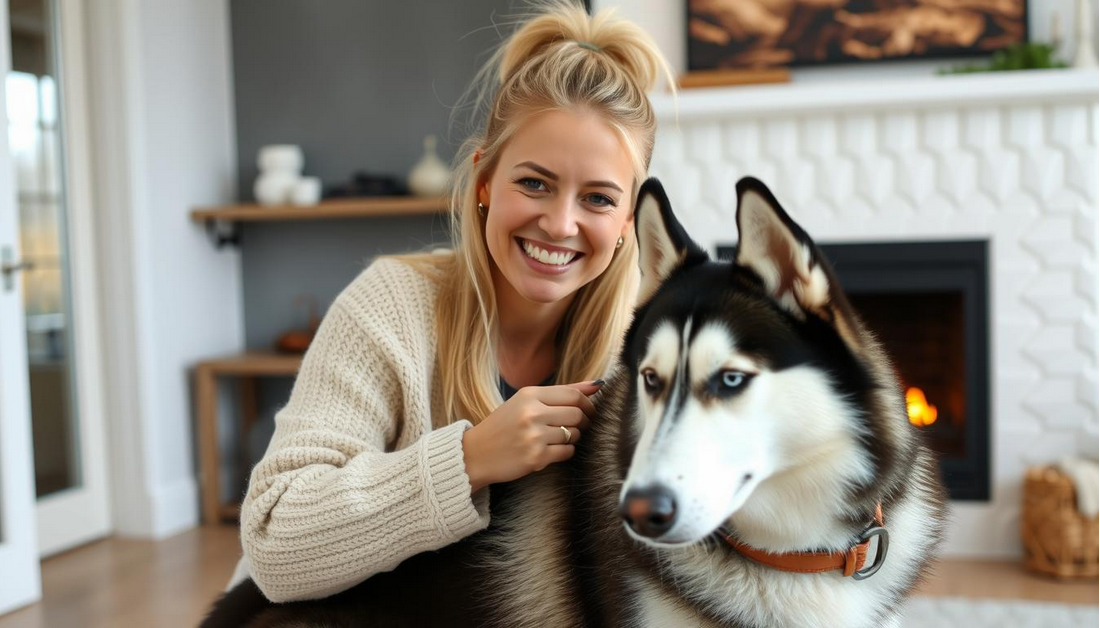
Different coat types require specific brushing techniques. For short-coated dogs, a soft-bristle brush or a rubber grooming mitt can be effective. Long-coated breeds benefit from slicker brushes or pin brushes to prevent matting. It’s essential to choose the right tool for your dog’s coat type to make brushing a positive experience.
Preventing Matting and Tangles in Snow and Ice
Matting and tangling can be particularly problematic in winter due to snow and ice. Regular brushing is crucial, especially after walks. Using a detangling spray can help make the process less painful for your dog. For severe matting, consider consulting a professional groomer.
Managing Winter Shedding Effectively
While it might seem counterintuitive, many dogs shed more in winter. Regular brushing can help manage this shedding by removing loose hair. It’s also an opportunity to check for skin issues that might be exacerbated by the cold weather.
| Coat Type | Recommended Brush | Brushing Frequency |
|---|---|---|
| Short Coat | Soft-bristle brush or rubber grooming mitt | 2-3 times a week |
| Long Coat | Slicker brush or pin brush | Daily |
| Curly Coat | Slicker brush or comb designed for curly coats | 2-3 times a week |
Winter Bathing Strategies for Dogs
Keeping your dog clean during winter is crucial, but it requires a strategic bathing plan. The cold weather months bring unique challenges for dog grooming, and bathing is no exception. To maintain your dog’s health and coat condition, it’s essential to adjust your bathing routine accordingly.
How Often to Bathe Your Dog in Winter
Bathing your dog too frequently in winter can strip their coat of natural oils, leading to dry skin. The ideal bathing frequency depends on your dog’s breed, lifestyle, and individual needs. Generally, dogs with shorter coats may require less frequent bathing, while those with longer coats may need more regular grooming. Consider reducing the frequency of baths and using dry shampoo or spot cleaning between baths to maintain cleanliness without over-drying the skin.
Choosing Winter-Appropriate Shampoos and Conditioners
Using the right shampoos and conditioners is vital during winter. Opt for winter-safe shampoos for dogs that are moisturizing and gentle on the skin. Avoid harsh shampoos that can strip the coat of its natural oils. Instead, choose products that are formulated to combat dryness and irritation. Conditioners can also play a crucial role in maintaining the health of your dog’s coat, helping to detangle and add moisture.
Post-Bath Drying Techniques for Cold Weather
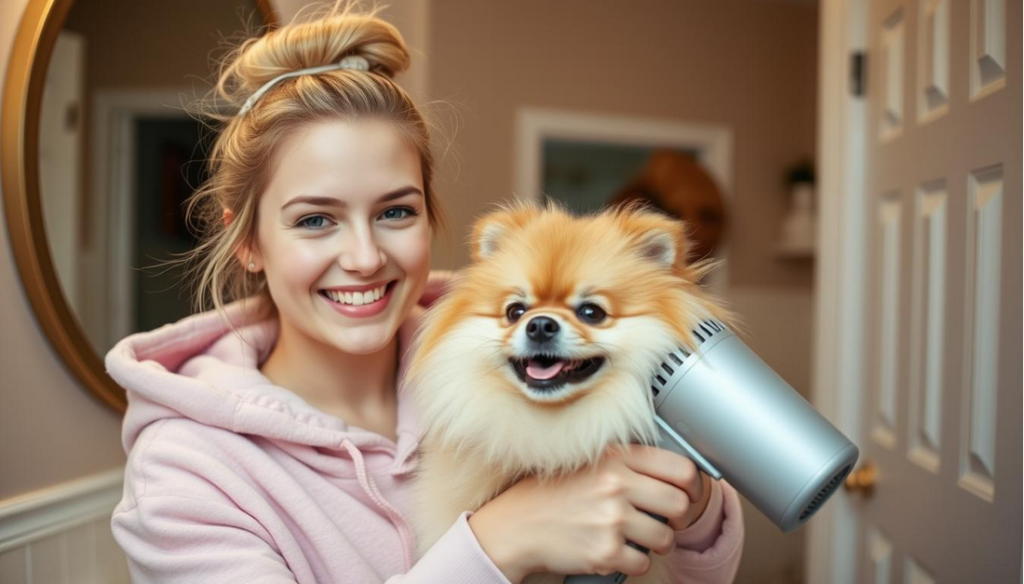
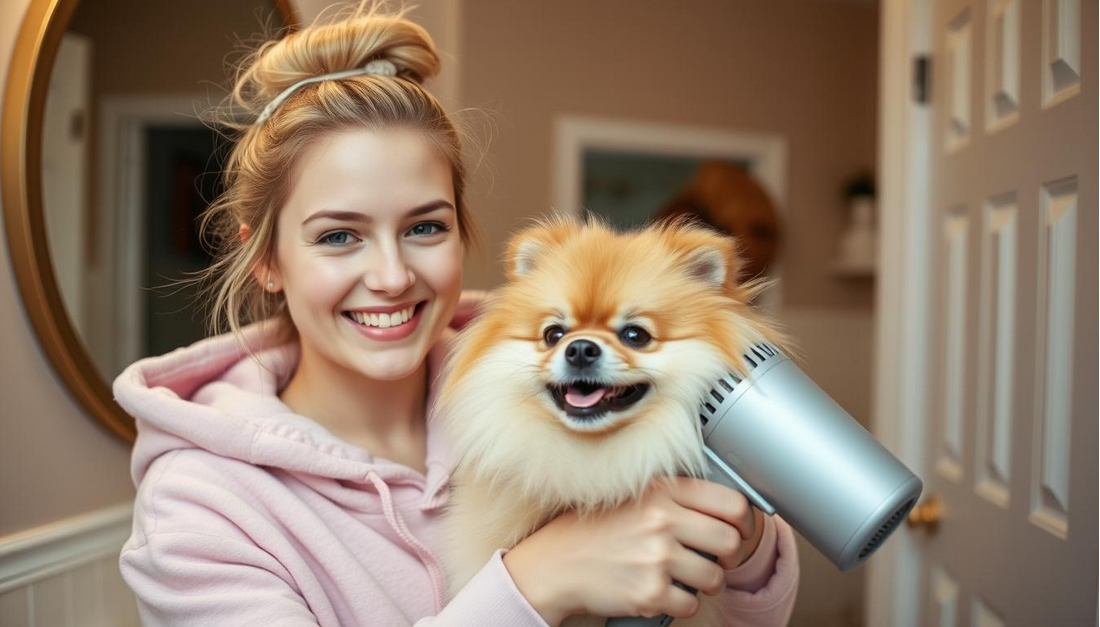
After bathing, it’s crucial to dry your dog thoroughly to prevent chilling. Use a towel to gently pat them dry, paying extra attention to the ears and paws. For dogs with thick coats, consider using a blow dryer on a low setting to dry them more thoroughly, or let them shake off excess water before gently towel-drying. Regular cold-weather brushing can also help prevent matting and tangling, making the drying process easier and more effective.
Protecting Your Dog’s Paws in Cold Weather
Winter can be harsh on dogs’ paws, with cold temperatures, ice, and salt potentially causing discomfort and injury. As such, it’s crucial for dog owners to take proactive steps to protect their pets’ paws during this season.
Paw Pad Care and Maintenance
Paw pads are sensitive and need regular care to prevent dryness and cracking. Regularly inspect your dog’s paw pads for signs of wear and tear, and apply a paw balm or wax to keep them moisturized. “Keeping your dog’s paws moisturized is key to preventing dry, cracked pads,” says Dr. Jane Smith, a veterinarian with over 10 years of experience.

Dealing with Ice, Snow, and Salt Exposure
Ice, snow, and salt used for de-icing can be particularly harmful to dogs’ paws. When walking your dog, try to avoid areas with heavy ice and salt. If your dog has been exposed to these substances, wash their paws gently with lukewarm water as soon as possible to remove any residue.
When to Consider Dog Booties and Paw Balms
Dog booties can provide an extra layer of protection against harsh winter conditions. Consider using them for walks on particularly icy or salted surfaces. Additionally, applying a paw balm before walks can help protect your dog’s paws. As Dr. Smith notes, “Paw balms can be a great preventative measure, but it’s also important to know when to seek veterinary care if your dog experiences persistent paw issues.”
Preventing and Treating Dry Skin in Winter
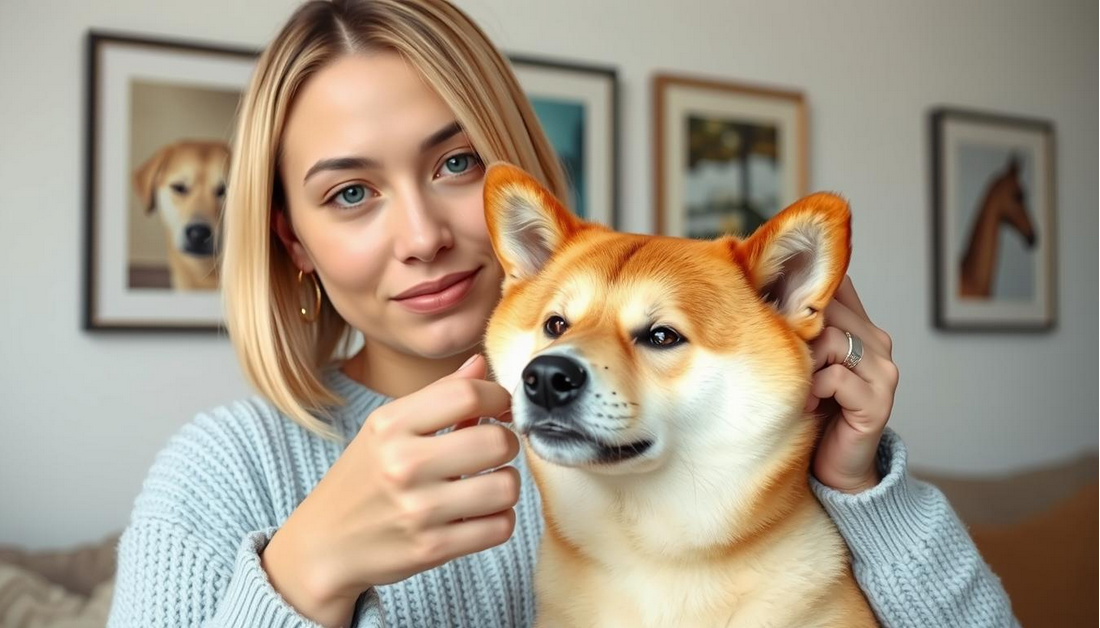
As winter sets in, dog owners often notice their pets struggling with dry, itchy skin. The cold weather can strip a dog’s coat of its natural moisture, leading to discomfort and potential skin problems. Maintaining healthy skin during this season is crucial for your dog’s overall well-being.
Signs of Winter Skin Problems to Watch For
Identifying the early signs of winter skin problems is key to preventing more serious issues. Look out for:
- Dry, flaky skin
- Itching or scratching
- Redness or irritation
- Dull or brittle coat
Moisturizing Products and Application Techniques
Using the right moisturizing products can help alleviate dry skin. Consider:
- Oatmeal-based shampoos and conditioners
- Coconut oil or shea butter-based moisturizers
- Regular application of a dog-specific moisturizer
When applying moisturizing products, gently massage them into your dog’s skin to enhance absorption and relaxation.
Diet Adjustments for Healthy Winter Skin and Coat
A well-balanced diet rich in omega-3 fatty acids, vitamins, and minerals can support skin health. Consider adding:
- Fish oil supplements
- Foods rich in antioxidants
- Adequate hydration
Consult with your veterinarian to determine the best dietary adjustments for your dog’s specific needs.
Essential Winter Grooming Tools Every Dog Owner Needs
Effective winter grooming for dogs involves more than just regular brushing; it requires the right equipment. As the temperature drops, a dog’s coat and skin need extra care to stay healthy and comfortable.
Brushes and Combs for Winter Coat Care
Investing in the right brushes and combs is crucial for managing your dog’s winter coat. Slicker brushes are ideal for removing tangles and mats, while pin brushes are gentler and suitable for dogs with longer coats. For dogs with thick undercoats, a rake comb can help detangle and reduce shedding.

Specialized Winter Grooming Products
In addition to brushes and combs, there are specialized products designed for winter dog grooming. Moisturizing shampoos and conditioners help combat dry skin, while paw balms protect against salt and ice. Using these products can make a significant difference in your dog’s comfort and health during the cold months.
At-Home vs. Professional Grooming in Winter
Deciding between at-home grooming and professional grooming services depends on your dog’s specific needs and your comfort level. While professional groomers can provide expert care, many owners prefer at-home grooming for its convenience and cost-effectiveness. Regardless of your choice, ensuring you have the right tools and products is key to maintaining your dog’s health through the winter.
Special Winter Attention for Ears, Eyes, and Nails
The cold weather season requires special care for your dog’s ears, eyes, and nails to prevent potential health issues. As part of your dog’s winter grooming routine, it’s essential to pay extra attention to these sensitive areas.
Winter Ear Care to Prevent Infections
Winter ear care is crucial to prevent infections, especially since dogs are more prone to ear problems during this season. Regularly inspect your dog’s ears for signs of redness, wax buildup, or odor. Use a dog-specific ear cleaner and cotton balls to gently clean the outer ear, avoiding the ear canal.
Eye Cleaning in Dry Winter Air
Dry winter air can cause eye irritation in dogs. To keep your dog’s eyes clean and healthy, use a damp cloth to gently wipe away any discharge or debris. Consider using a dog eye cleaner or saline solution to help moisturize the area.
Nail Trimming Considerations for Snow and Ice
Nail trimming is vital during winter, as long nails can cause discomfort and affect your dog’s traction on icy surfaces. Trim your dog’s nails regularly, taking care not to cut the quick. If you’re unsure, consult a professional groomer for assistance.
| Area of Focus | Winter Care Tips |
|---|---|
| Ears | Regular inspection, clean outer ear with dog-specific cleaner |
| Eyes | Wipe with damp cloth, use dog eye cleaner or saline solution |
| Nails | Regular trimming, avoid cutting the quick |
Conclusion: Keeping Your Dog Healthy and Happy All Winter Long
As the winter months approach, it’s essential to adjust your dog’s grooming routine to keep them healthy and happy. By understanding your dog’s winter coat needs and implementing essential grooming habits, you can prevent common winter challenges and ensure their overall wellness.
Regular brushing, proper bathing, and paw care are crucial for dog grooming in the snow. Seasonal dog grooming practices, such as adjusting your dog’s grooming schedule and using winter-appropriate shampoos, can help maintain their coat and skin health.
By following these winter dog care tips and prioritizing winter dog hygiene, you can keep your dog comfortable and thriving throughout the cold weather. With the right care and attention, your dog can enjoy the winter season as much as you do.
FAQ
How often should I groom my dog in the winter?
The frequency of grooming depends on your dog’s coat type and individual needs. Generally, dogs with longer coats require more frequent grooming to prevent matting and tangling, while those with shorter coats may need less frequent grooming. Regular brushing is essential to maintain a healthy coat and prevent skin issues.
Can I bathe my dog in cold weather?
Yes, but with caution. Bathing your dog too frequently in cold weather can strip their coat of its natural oils, leading to dry skin. Use warm water, a mild shampoo suitable for your dog’s coat type, and dry them thoroughly after the bath. Consider reducing the frequency of baths or using a dry shampoo between baths.
How can I protect my dog’s paws from ice and salt?
To protect your dog’s paws, consider using dog booties or paw balms. Booties provide a barrier between your dog’s paws and the cold, harsh surfaces, while paw balms moisturize and protect the paw pads. Regularly clean your dog’s paws after walks to remove salt and ice.
What are the signs of dry skin in dogs during winter?
Signs of dry skin in dogs include flakiness, itchiness, redness, and irritation. If your dog is excessively scratching or licking their skin, it may be a sign of dry skin. Consult with your veterinarian for advice on treating dry skin and to rule out any underlying conditions.
Can I trim my dog’s coat in the winter?
Trimming your dog’s coat in winter depends on their individual needs and coat type. For some dogs, a trim can help reduce shedding and prevent matting. However, for dogs with thick coats, trimming may not be necessary and could potentially make them more susceptible to cold temperatures. Consult with a professional groomer for personalized advice.
How can I prevent matting in my dog’s coat during winter?
Regular brushing is key to preventing matting in your dog’s coat. Use a brush or comb suitable for your dog’s coat type, and gently work out tangles and mats. For dogs with long or thick coats, consider using a detangling spray or conditioner to make the brushing process easier.
Are there any specific grooming products I should use in the winter?
Yes, consider using moisturizing shampoos and conditioners, as well as products containing ingredients like oatmeal, aloe vera, or coconut oil, which can help soothe and hydrate your dog’s skin. Additionally, paw balms and coat conditioners can help protect your dog’s coat and paws from the harsh winter elements.
Should I adjust my dog’s diet in the winter to support their coat health?
A balanced diet rich in omega-3 fatty acids, vitamins, and minerals is essential for maintaining your dog’s coat health. Consider consulting with your veterinarian about adding supplements or adjusting your dog’s diet to support their coat health during the winter months.