


India customers to view on amazon.in
“Please note that no animals were harmed in the making of this content.”
Winter Grooming Tips For Long-Haired Pets
As the temperature drops, long-haired pets face unique challenges. Their beautiful coats can become matted and tangled, leading to discomfort and health issues. Proper pet care during the cold months is crucial to prevent these problems.
- The Challenges of Winter Coat Care
- Understanding Your Pet’s Winter Coat Changes
- Essential Winter Grooming Tools for Long Coats
- Creating an Effective Winter Grooming Schedule
- Winter Grooming Tips For Long-Haired Pets: Complete Guide
- Pre-Grooming Preparation Steps
- Proper Brushing Techniques for Winter Coats
- Tackling Stubborn Mats and Tangles
- Bathing Long-Haired Pets During Cold Months
- Optimal Bathing Frequency in Winter
- Selecting Winter-Appropriate Shampoos
- Safe and Effective Drying Methods
- Combating Winter-Specific Coat Challenges
- Managing Static Electricity in Fur
- Removing Snow, Ice, and Salt Buildup
- Protecting Paws and Sensitive Areas
- Breed-Specific Winter Grooming Techniques
- Adjusting Grooming for Indoor vs. Outdoor Pets
- When to DIY vs. Seek Professional Winter Grooming
- Nutrition and Supplements for Healthy Winter Coats
- Conclusion: Keeping Your Long-Haired Pet Comfortable All Winter
- FAQ
- How often should I groom my long-haired pet during winter?
- What are the best grooming tools for long-haired pets in winter?
- Can I bathe my long-haired pet during winter?
- How can I prevent static electricity in my pet’s fur?
- What are some winter-specific coat challenges, and how can I address them?
- Are there any specific dietary changes I should make to support my pet’s winter coat health?
- Can I trim my long-haired pet’s coat during winter?
- How can I protect my pet’s paws and sensitive areas during winter?

Winter pet care tips can make a significant difference in your pet’s comfort and health. Regular grooming is essential to prevent matting and tangling, and to keep their coat clean and healthy. By following simple winter grooming tips, you can ensure your long-haired pet stays happy and healthy throughout the winter season.
Key Takeaways
- Regular grooming is crucial for long-haired pets in winter.
- Matting and tangling can lead to health issues.
- Proper coat care prevents discomfort.
- Simple grooming practices can keep your pet healthy.
- Long-haired pets require special care during cold months.
The Challenges of Winter Coat Care
As winter approaches, long-haired pets face unique grooming challenges. The cold, dry air can significantly affect the health and appearance of their coats. Maintaining long fur in winter requires special attention to prevent common coat problems.
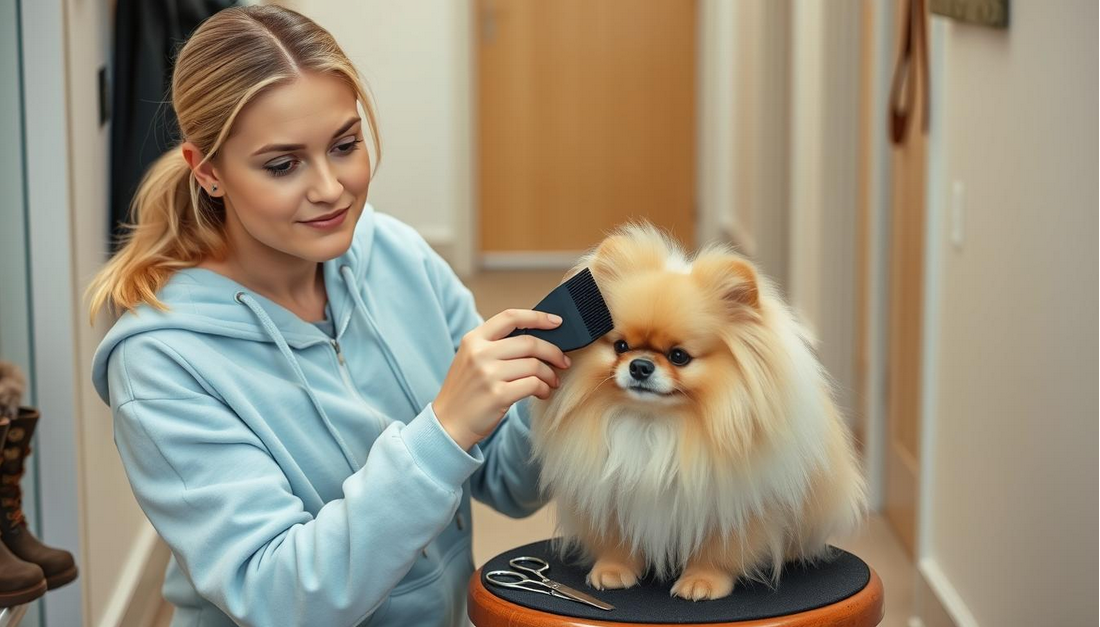
How Cold Weather Affects Long Fur
Cold weather can dry out a pet’s coat, leading to brittleness and breakage. The low humidity in winter air strips the fur of its natural oils, causing it to become dull and prone to tangling. Regular grooming is essential to distribute these oils and keep the coat healthy.
Common Winter Coat Problems
Long-haired pets often experience matting and tangling due to the dry air. Static electricity can also become a problem, causing fur to stand on end and become uncomfortable for the pet. Regular brushing and the use of appropriate grooming products can help mitigate these issues.
Understanding Your Pet’s Winter Coat Changes
Winter brings unique challenges for long-haired pets, and understanding their coat changes is crucial for their comfort and health. As the temperature drops, the needs of their coats evolve, requiring adjustments in grooming practices.
The Science of Seasonal Fur Growth
The growth and shedding of fur in pets are influenced by the changing seasons. In winter, many long-haired breeds grow a thicker undercoat to insulate themselves against the cold. This natural adaptation can lead to increased shedding as the season progresses. Understanding this cycle helps pet owners anticipate and manage their pet’s grooming needs more effectively.
Seasonal fur growth is a natural process, but it can be managed with the right grooming techniques and tools. Regular brushing not only reduces shedding but also prevents matting and tangling, which can be particularly problematic in dense winter coats.
How Different Long-Haired Breeds Adapt
Different long-haired breeds adapt to winter in various ways. For example, some breeds like Siberian Huskies are well-suited to cold climates due to their thick coats, while others, like Afghan Hounds, may require more grooming attention to prevent matting. Recognizing the specific needs of your pet’s breed can help tailor a more effective winter grooming routine.
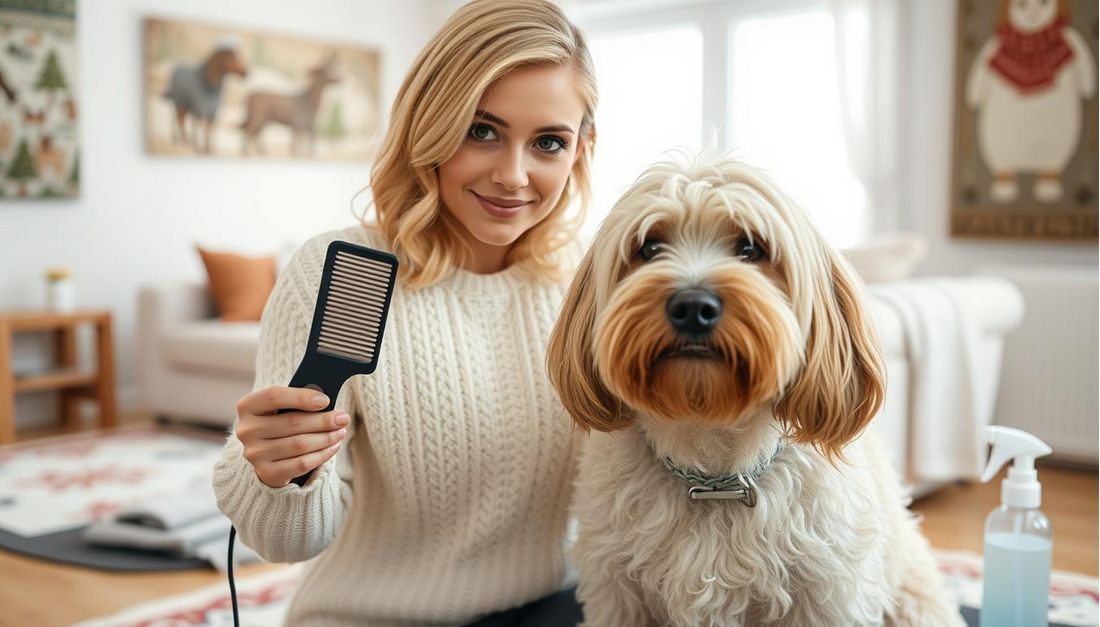
By understanding these breed-specific adaptations, pet owners can better address the unique challenges their pets face during the winter months, ensuring they remain comfortable and healthy.
Essential Winter Grooming Tools for Long Coats
Winter grooming for long-haired pets involves more than just regular brushing; it demands the right tools. The cold weather can dry out their fur, making it brittle and prone to matting. To keep your pet’s coat healthy and manageable, you’ll need a selection of specialized grooming tools and products.
Specialized Brushes and Combs
The right brushes and combs are crucial for maintaining long coats during winter. They help prevent matting, reduce shedding, and distribute natural oils throughout the fur.
Slicker Brushes vs. Undercoat Rakes
Slicker brushes are ideal for removing tangles and mats from the surface of the coat. Undercoat rakes, on the other hand, are designed to penetrate deeper into the fur, removing loose undercoat and preventing shedding. Both tools are essential for long-haired pets.
Dematting Tools
Dematting tools are specifically designed to gently tease out mats without causing discomfort or pain to your pet. They come in various forms, including combs and rakes, and are a must-have for long-haired breeds.
Winter-Specific Grooming Products
Winter-specific grooming products are formulated to address the unique challenges of cold weather. These include moisturizing shampoos and conditioners that help lock in moisture and protect the coat from drying out.
| Product | Benefit |
|---|---|
| Moisturizing Shampoo | Hydrates the coat, preventing dryness |
| Conditioner | Detangles and adds moisture |
| Leave-in Conditioner | Provides ongoing hydration and protection |
Moisture-Preserving Solutions
Moisture-preserving solutions, such as leave-in conditioners and coat sprays, play a vital role in maintaining the health and integrity of your pet’s coat during the dry winter months. They help to lock in moisture, reduce static, and keep the fur soft and manageable.
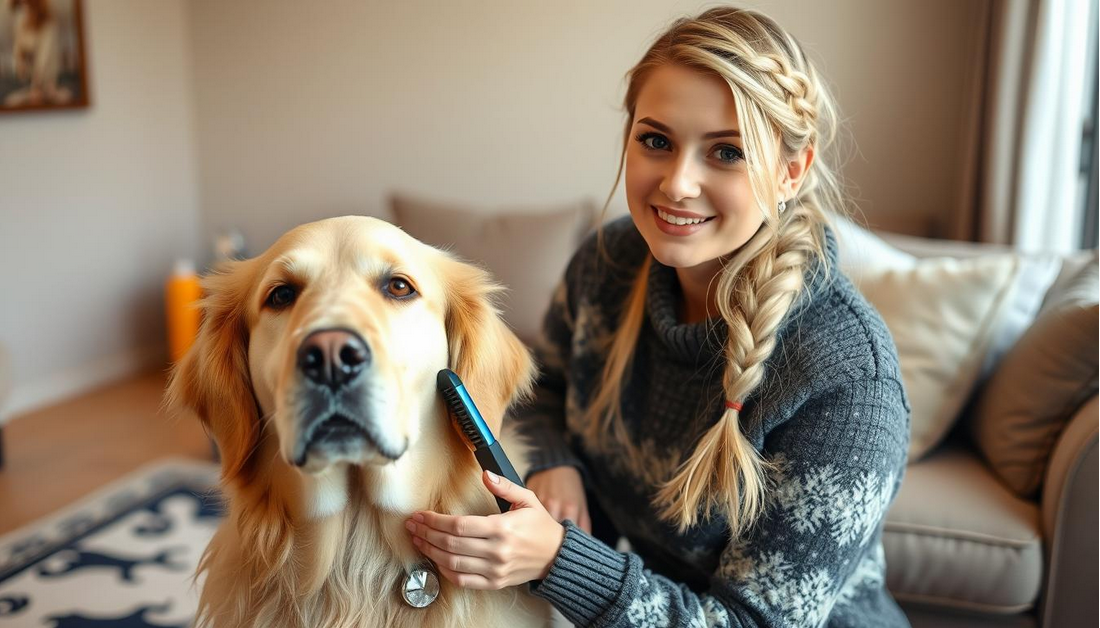
By incorporating these essential grooming tools and products into your winter grooming routine, you can help ensure your long-haired pet remains comfortable and their coat stays healthy throughout the cold weather.
Creating an Effective Winter Grooming Schedule
Long-haired pets require special attention during the winter months, and a well-planned grooming schedule is key to their well-being. A consistent routine helps prevent matting, reduces shedding, and keeps your pet’s coat healthy and shiny.
Daily Quick-Maintenance Routines
Daily grooming is essential for long-haired pets in winter. It involves quick but thorough brushing to prevent tangles and mats. Use a slicker brush or a pin brush designed for long coats, gently working through the fur to keep it untangled and clean. This daily routine also helps distribute natural oils, keeping the coat healthy and resilient against the cold.
- Brush your pet’s coat gently but thoroughly.
- Pay special attention to areas prone to matting.
- Use a detangling spray if necessary to make the process smoother.
Weekly Deep Grooming Sessions
In addition to daily maintenance, weekly deep grooming sessions are crucial. These sessions involve more thorough brushing, checking for mats, and cleaning around the eyes, ears, and paws. Use this time to inspect your pet’s coat and skin for any signs of irritation or issues that need addressing.

Winter Grooming Tips For Long-Haired Pets: Complete Guide
As winter approaches, long-haired pets require special grooming attention to maintain their coat’s health and appearance. The cold weather brings unique challenges, from dry skin to matting and tangling, making a comprehensive grooming guide essential for pet owners.
Pre-Grooming Preparation Steps
Before diving into the grooming process, it’s crucial to prepare your pet and gather the necessary tools. Start by selecting a quiet, comfortable area for grooming to minimize stress for your pet. Ensure you have a suitable brush or comb designed for long-haired breeds, as well as any other products you might need, such as detangling sprays or conditioners.
Inspect your pet’s coat to identify any mats or tangles that need special attention. This step helps in planning the grooming session and ensures that you’re prepared to tackle any challenging areas gently.
Proper Brushing Techniques for Winter Coats
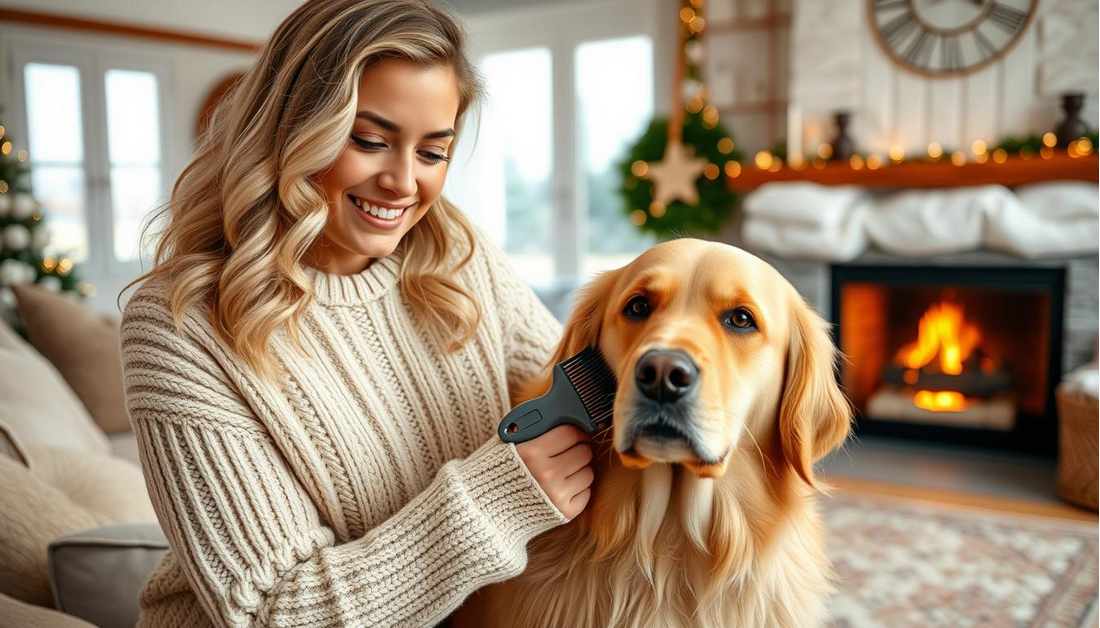
Brushing is a critical component of winter grooming for long-haired pets. Use gentle, smooth strokes to work through the coat, starting from the ends and working your way up to the roots. This technique helps prevent breakage and reduces the risk of pulling on the hair, which can be painful for your pet.
For pets with particularly thick or long coats, consider using a pin brush or a slicker brush, as these are designed to handle dense fur without causing discomfort.
Tackling Stubborn Mats and Tangles
Mats and tangles can be a significant issue for long-haired pets, especially in the winter when their coats are at their thickest. Use a detangling spray or conditioner to help gently work out knots, starting from the edge of the mat and carefully teasing it apart with your fingers or a comb.
For more stubborn mats, it may be necessary to use a mat breaker or a dematting tool, but be cautious to avoid causing discomfort or injury to your pet.
Bathing Long-Haired Pets During Cold Months
The cold weather poses unique challenges for bathing long-haired pets, demanding a tailored approach. As the temperature drops, it’s essential to adjust your bathing routine to maintain your pet’s coat health and overall well-being.
Optimal Bathing Frequency in Winter
Bathing too frequently can strip your pet’s coat of its natural oils, leading to dryness and irritation. In winter, it’s generally recommended to reduce the frequency of baths. For most long-haired pets, bathing once every 4-6 weeks is sufficient, but this can vary depending on their lifestyle and environment.
| Pet Type | Recommended Bathing Frequency | Special Considerations |
|---|---|---|
| Long-haired dogs | Every 4-6 weeks | More frequent bathing if they spend a lot of time outdoors |
| Long-haired cats | Every 6-8 weeks | Less frequent bathing due to their fastidious grooming habits |
Selecting Winter-Appropriate Shampoos
Choosing the right shampoo is crucial for maintaining your pet’s coat health during winter. Look for shampoos that are formulated for long-haired pets and contain moisturizing ingredients to combat dryness. Winter shampoos should be gentle and free of harsh chemicals.

Safe and Effective Drying Methods
After bathing, drying your pet properly is crucial to prevent chilling. Use a towel to gently blot excess water, then use a pet dryer or a low-heat blow dryer on a safe setting to dry your pet thoroughly, especially around the ears and paws. Ensure your pet is completely dry before letting them venture outside.
Combating Winter-Specific Coat Challenges
As temperatures drop, long-haired pets face specific coat challenges that require special care. Winter brings a unique set of grooming issues that can affect the comfort and health of your pet.
Managing Static Electricity in Fur
Static electricity can be a significant problem for long-haired pets during the dry winter months. To manage this issue, you can use a humidifier in your home to add moisture to the air, reducing static buildup. Additionally, using an anti-static spray or a leave-in conditioner can help to minimize static electricity in your pet’s fur.
- Use a humidifier to add moisture to the air
- Apply an anti-static spray or leave-in conditioner
- Brush your pet regularly to distribute natural oils
Removing Snow, Ice, and Salt Buildup
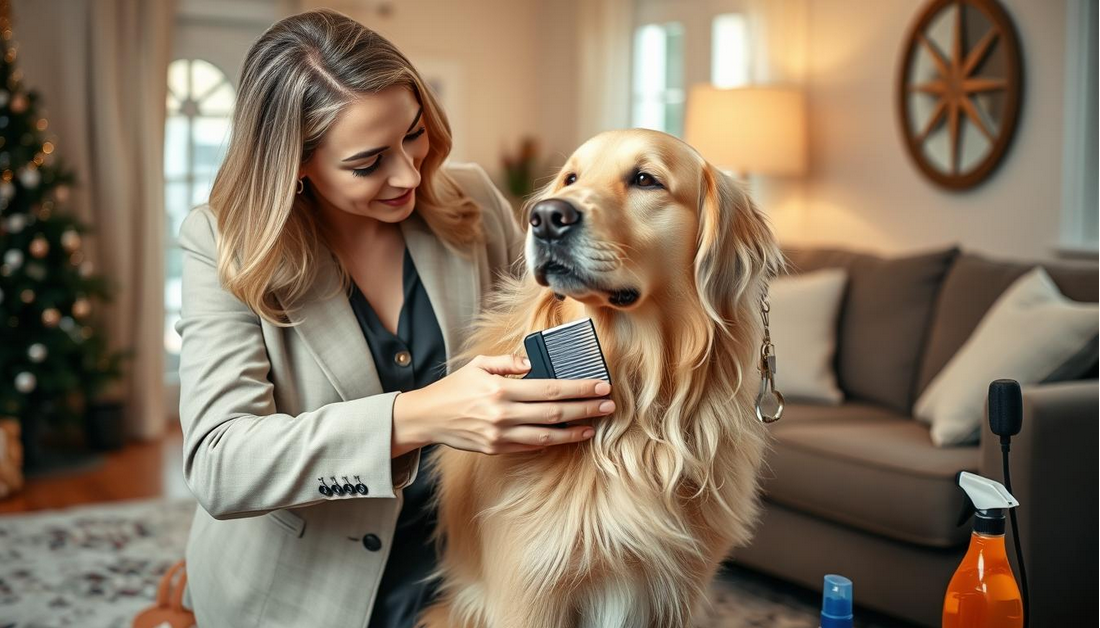
Snow, ice, and salt can accumulate on your pet’s coat, causing discomfort and potentially leading to skin irritation. To remove these substances, gently brush your pet’s coat with a soft-bristled brush, working from the ends of the fur towards the roots. You can also use a damp cloth to wipe away any remaining salt or ice residue.
Protecting Paws and Sensitive Areas
Winter weather can be harsh on your pet’s paws and sensitive areas. To protect these areas, apply a paw balm or wax to create a barrier against salt, ice, and cold surfaces. You can also use a protective bootie to cover your pet’s paws when they’re outside.
Key tips for protecting paws:
- Apply paw balm or wax regularly
- Use protective booties for outdoor walks
- Wipe paws clean after returning indoors
Breed-Specific Winter Grooming Techniques
Different breeds have unique coat characteristics that require tailored grooming techniques during the winter months. Understanding these breed-specific needs is crucial for maintaining the health and appearance of your long-haired pet.
Long-Haired Dog Breeds
Long-haired dog breeds require special attention during winter. Their coats can become matted and tangled, especially after outdoor activities.
Double-Coated Breeds
Breeds like Golden Retrievers and Huskies have double coats that shed heavily. Regular brushing is essential to prevent matting and reduce shedding. Use a slicker brush or a rake comb to gently remove loose undercoat.
Silky-Coated Breeds
Yorkies and Maltese have silky coats that require gentle grooming. Use a soft-bristle brush or a pin brush to prevent breakage and tangling. Regular grooming sessions will help maintain their coat’s health and shine.
Long-Haired Cat Breeds
Long-haired cat breeds also have specific grooming needs during winter. Their coats can become dry and brittle, so it’s essential to keep them well-groomed.
Persian and Himalayan Cats
Persian and Himalayan cats have thick, long coats that require daily grooming. Use a wide-tooth comb or a grooming rake to gently detangle their fur, paying extra attention to areas prone to matting.
Maine Coons and Norwegian Forest Cats
Maine Coons and Norwegian Forest Cats have water-resistant coats that require regular brushing. Use a metal comb or a slicker brush to remove loose hair and prevent matting.

As emphasized by grooming experts, “Regular grooming is not just about appearance; it’s crucial for the overall health of your pet, especially during the harsh winter months.”
Adjusting Grooming for Indoor vs. Outdoor Pets
Winter grooming for long-haired pets isn’t one-size-fits-all; it depends on whether they spend more time indoors or outdoors. The lifestyle of your pet significantly influences their grooming needs during the cold months.
Indoor Pet Grooming Strategies
For pets that spend most of their time indoors, the focus should be on managing the dry air that can lead to matting and tangling of their fur. Regular brushing is essential to prevent these issues. Using a humidifier can also help maintain a healthy coat by keeping the air moist.
Additional tips for indoor pets include:
- Frequent grooming sessions to remove loose hair
- Using grooming products designed for dry indoor conditions
Extra Care for Active Outdoor Pets
Active outdoor pets require extra care to remove snow, ice, and salt that can accumulate in their coats. Thorough rinsing after outdoor activities is crucial to prevent skin irritation. It’s also important to check for ice balls that can form between their paw pads.
| Grooming Aspect | Indoor Pets | Outdoor Pets |
|---|---|---|
| Brushing Frequency | Daily | After each outdoor activity |
| Product Use | Moisturizing products | Products to remove salt and ice |
| Paw Care | Regular nail trimming | Check for ice balls between pads |
When to DIY vs. Seek Professional Winter Grooming
As winter approaches, pet owners face the dilemma of whether to groom their long-haired pets at home or seek professional help. The decision hinges on several factors, including the pet’s coat type, the owner’s grooming experience, and the specific challenges posed by winter weather.
Home Grooming Best Practices
For many pet owners, DIY grooming is a viable option during the winter months. To do it effectively, it’s essential to have the right tools, such as a slicker brush and a detangling comb. Regular brushing helps prevent matting and reduces shedding. “Consistency is key when it comes to home grooming,” notes a professional groomer. “Daily brushing can make a significant difference in your pet’s coat health.”
Signs It’s Time for Professional Help
While home grooming can be effective, there are times when professional help is necessary. If your pet’s coat is severely matted, or if you’re unsure about how to handle specific grooming challenges, it’s time to seek professional assistance. Additionally, pets with complex coat types or those that require regular trimming may benefit from the expertise of a professional groomer.
Ultimately, the decision to DIY or seek professional grooming should be based on your pet’s individual needs and your comfort level with grooming tasks. By understanding your pet’s requirements and being aware of your own limitations, you can make an informed decision that ensures your pet’s coat remains healthy and well-maintained throughout the winter.
Nutrition and Supplements for Healthy Winter Coats
Ensuring your pet’s coat remains healthy during winter involves more than just grooming; it requires the right nutritional balance. A well-nourished pet is better equipped to handle the harsh conditions of winter, maintaining a healthy and vibrant coat.
Diet Adjustments for Winter Coat Health
Adjusting your pet’s diet during winter can significantly impact their coat health. Increasing omega-3 fatty acids can help to nourish the skin and promote a healthy coat. Foods rich in antioxidants can also help protect your pet’s skin and coat from damage.
Consider incorporating winter-specific nutrients into your pet’s diet. These might include vitamins and minerals that support skin and coat health. Consulting with a veterinarian can help determine the best dietary adjustments for your pet.
Beneficial Oils and Supplements
In addition to diet adjustments, certain oils and supplements can provide extra support for your pet’s winter coat. Fish oil supplements are rich in omega-3 fatty acids and can help reduce shedding and improve coat condition.
Other beneficial supplements include flaxseed oil and biotin, which support skin health and coat condition. Always consult with a veterinarian before adding any supplements to your pet’s regimen to ensure they are necessary and safe.
Conclusion: Keeping Your Long-Haired Pet Comfortable All Winter
As winter sets in, it’s essential to adjust your grooming routine to keep your long-haired pet comfortable and healthy. Proper care and attention to their coat can make a significant difference in their overall well-being.
By following the tips outlined in this article, you can help prevent common winter coat problems, such as matting and tangling, and keep your pet’s fur clean and healthy. Regular grooming, including daily brushing and weekly deep grooming sessions, is crucial for long-haired pet comfort.
Additionally, paying attention to your pet’s diet and providing the right nutrition and supplements can help maintain a healthy winter coat. With the right care and attention, you can keep your long-haired pet comfortable and happy throughout the winter months, ensuring they receive the best possible winter pet care.
By prioritizing your pet’s grooming and coat care, you can help them enjoy the winter season to the fullest, keeping them comfortable and relaxed while keeping pets comfortable in winter.
FAQ
How often should I groom my long-haired pet during winter?
It’s recommended to groom your long-haired pet daily to prevent matting and tangling, and to distribute natural oils throughout their coat. However, the frequency may vary depending on the breed, age, and health of your pet.
What are the best grooming tools for long-haired pets in winter?
Slicker brushes, undercoat rakes, and dematting tools are essential for long-haired pets. You may also consider using a pin brush or a bristle brush for daily maintenance.
Can I bathe my long-haired pet during winter?
Yes, but it’s crucial to bathe them in a warm, draft-free area, and to dry them thoroughly to prevent hypothermia. Use a mild, moisturizing shampoo suitable for their coat type, and consider reducing the frequency of bathing to once a month or as needed.
How can I prevent static electricity in my pet’s fur?
To minimize static electricity, use a humidifier in your home, and apply a leave-in conditioner or a detangling spray that contains ingredients to help reduce static.
What are some winter-specific coat challenges, and how can I address them?
Common winter coat challenges include snow, ice, and salt buildup, as well as dryness and brittleness. To address these issues, gently remove snow and ice from your pet’s coat, use a moisturizing shampoo and conditioner, and apply a coat conditioner or oil to keep their fur hydrated.
Are there any specific dietary changes I should make to support my pet’s winter coat health?
Adding omega-3 fatty acids, vitamin E, and other nutrients to your pet’s diet can help promote a healthy, shiny coat. Consult with your veterinarian to determine the best dietary adjustments for your pet.
Can I trim my long-haired pet’s coat during winter?
Trimming can be beneficial for some long-haired breeds, but it’s essential to consider the breed, age, and health of your pet before doing so. Consult with a professional groomer or your veterinarian to determine the best approach for your pet.
How can I protect my pet’s paws and sensitive areas during winter?
Apply a paw balm or wax to protect their paws from salt, ice, and cold surfaces. You can also use a coat conditioner or balm to protect their sensitive areas, such as their ears and tail.