




India customers to view on amazon.in
“Please note that no animals were harmed in the making of this content.”
Winter Home Adjustments To Improve Pet Comfort
As the temperature drops, our furry friends need extra care to stay cozy and comfortable at home. Cold weather can be harsh on pets, causing discomfort and potentially leading to health issues.
- Understanding How Winter Affects Your Pets
- How Cold Weather Impacts Different Pet Species
- Signs Your Pet Is Uncomfortable in Winter
- Seasonal Behavior Changes to Watch For
- Essential Winter Home Adjustments To Improve Pet Comfort
- Quick Home Assessment for Pet Winter Readiness
- Priority Adjustments for Immediate Comfort
- Balancing Human and Pet Comfort Needs
- Creating Cozy Pet Sleeping Areas
- Optimal Bedding Materials for Winter Warmth
- Strategic Placement of Pet Beds
- DIY Warming Solutions for Pet Sleeping Areas
- Managing Home Temperature and Humidity for Pets
- Ideal Temperature Settings for Different Pets
- Humidity Considerations for Pet Health
- Smart Thermostats and Pet-Friendly Programming
- Addressing Cold Spots and Drafts
- Pet-Friendly Flooring Solutions for Winter
- Temporary Floor Coverings for Cold Surfaces
- Heated Floor Options Safe for Pets
- Creating Warm Pathways Through Your Home
- Indoor Activity Zones to Keep Pets Engaged
- Setting Up Winter Play Areas
- Mental Stimulation Ideas for Confined Winter Days
- Adapting Exercise Routines for Indoor Spaces
- Safe Heating Options and Potential Hazards
- Pet-Safe Space Heaters and Heating Pads
- Fireplace and Stove Safety Measures
- Preventing Burns and Overheating
- Avoiding Carbon Monoxide Risks
- Special Winter Considerations for Different Pets
- Elderly and Arthritic Pet Accommodations
- Small Breed and Short-Haired Pet Needs
- Exotic Pet Temperature Requirements
- Multi-Pet Household Solutions
- Conclusion: Creating a Winter Haven for Your Pets
- FAQ
- How can I keep my pet warm and comfortable during winter?
- What are the signs that my pet is uncomfortable in the cold?
- How can I create a cozy sleeping area for my pet?
- What is the ideal temperature for my home during winter to keep my pet comfortable?
- How can I prevent cold spots and drafts in my home?
- Are there any pet-safe heating options available?
- How can I keep my pet engaged and active during winter?
- What are some special considerations for different types of pets during winter?
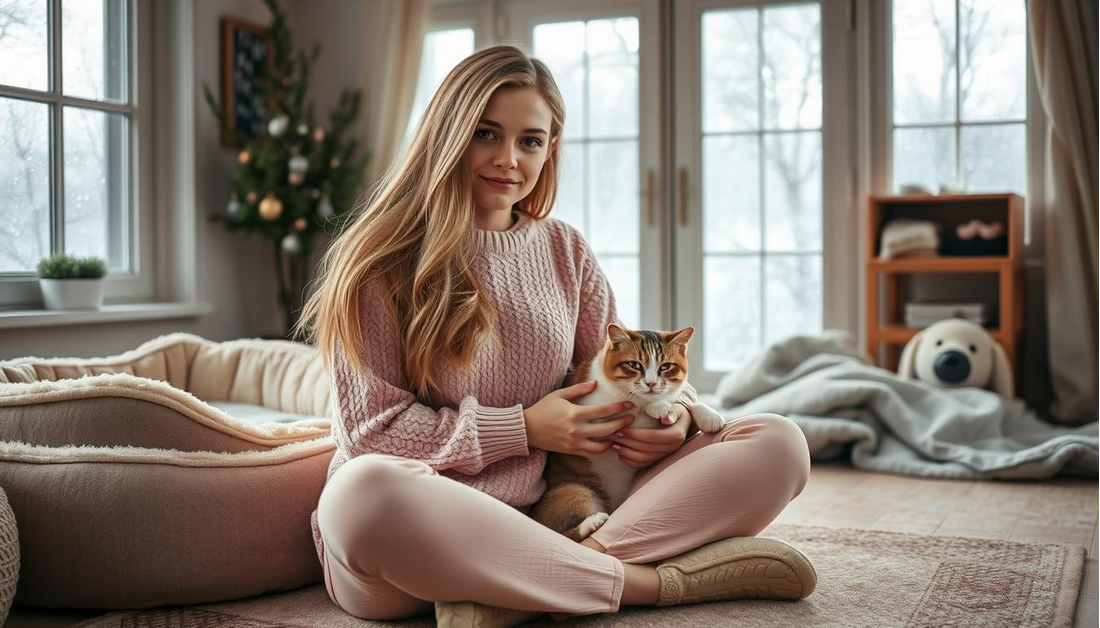
Making a few simple adjustments to your home environment can significantly improve your pet’s comfort during the cold winter months. By creating a warm and welcoming space, you can help your pet feel safe and relaxed.
Key Takeaways
- Create a warm and cozy space for your pet
- Adjust your home environment to suit your pet’s needs
- Keep your pet’s health and comfort in mind during winter
- Make simple changes to improve your pet’s comfort
- Ensure your pet stays safe and relaxed during the cold weather
Understanding How Winter Affects Your Pets
Understanding how winter affects pets is key to ensuring their comfort and well-being. As the temperature drops, pets face various challenges that can impact their health and happiness.
How Cold Weather Impacts Different Pet Species
Different pets respond differently to cold weather. For instance, dogs with thick coats may tolerate cold better than short-haired breeds or cats. Small or short-haired pets may need extra care to stay warm, while older pets or those with health issues may be more susceptible to cold-related discomfort.
Signs Your Pet Is Uncomfortable in Winter
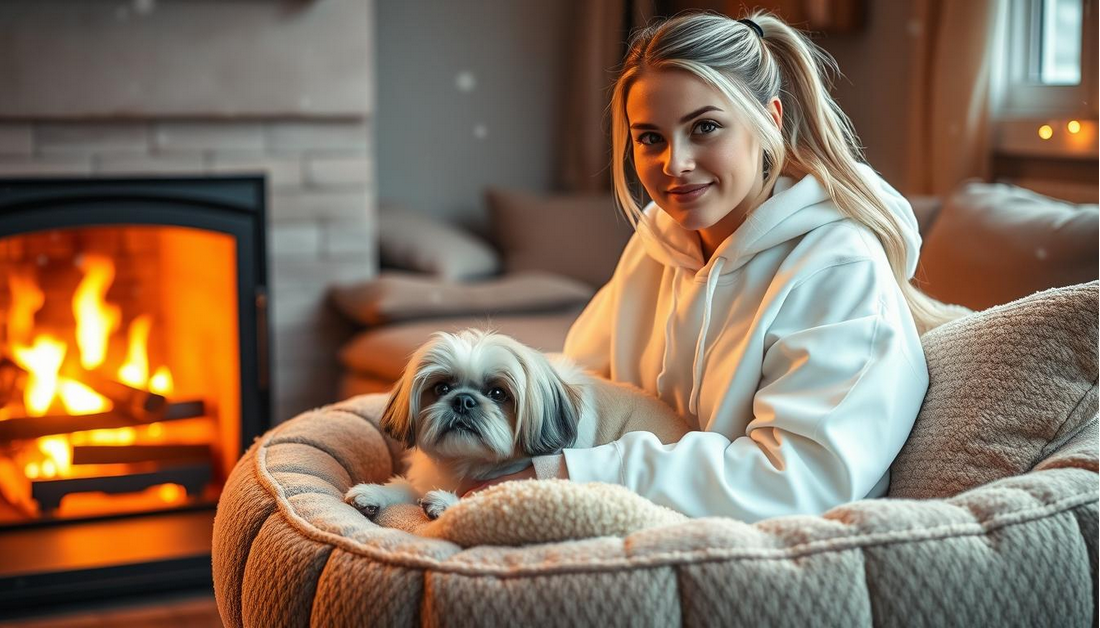
It’s essential to recognize the signs that your pet is uncomfortable in the cold. These can include shivering, reluctance to go outside, or seeking warm places to hide. If your pet exhibits these behaviors, it’s time to take action to improve their comfort.
Seasonal Behavior Changes to Watch For
Winter can also bring about changes in your pet’s behavior. Some pets may become more lethargic or withdrawn due to the cold. Monitoring these changes is crucial, as they can indicate underlying issues that need to be addressed to ensure your pet’s well-being during the winter months.
By understanding these factors, pet owners can take proactive steps to ensure their pets remain comfortable and healthy throughout the winter season.
Essential Winter Home Adjustments To Improve Pet Comfort
Ensuring your home is cozy and safe for your pets during the cold winter months requires some essential adjustments. As the temperature drops, pets rely on us to provide a comfortable and warm environment. Making a few simple changes can significantly enhance their well-being.
Quick Home Assessment for Pet Winter Readiness
Begin by assessing your home’s readiness for winter from your pet’s perspective. Check for drafts, cold spots, and areas where your pet tends to spend most of their time. Seal any gaps or cracks around windows and doors to prevent cold air from entering. Consider using draft stoppers or weatherstripping to keep the warmth in.

Priority Adjustments for Immediate Comfort
Once you’ve assessed your home, make priority adjustments to ensure immediate comfort for your pets. Provide warm bedding and consider using heated pet beds or pads. Place pet beds in draft-free areas, away from cold floors. You can also use rugs or mats to insulate cold flooring, making it more comfortable for your pets to lie down.
Balancing Human and Pet Comfort Needs
It’s essential to strike a balance between your comfort and that of your pets. While you might prefer a cooler home, your pets may need it warmer. Consider using zoned heating or space heaters to warm up areas where your pets spend most of their time, without overheating the entire house. This approach can help you maintain a comfortable temperature for both you and your pets.
By implementing these winter home upgrades for pets, you can create a cozy and comfortable environment that meets their needs during the cold winter months. Whether it’s through pet-friendly home heating ideas or simply making your home more winter-proof, your pets will appreciate the extra care and attention.
Creating Cozy Pet Sleeping Areas
Winter can be harsh on pets, making it vital to create a snug and warm sleeping area that they can call their own. A cozy sleeping space not only provides comfort but also helps in maintaining your pet’s overall health during the cold months.
Optimal Bedding Materials for Winter Warmth
Choosing the right bedding material is crucial for keeping your pet warm. Memory foam and orthopedic beds are excellent options as they provide both comfort and support. For added warmth, consider using thermal pet mats or heated pet beds designed specifically for pets.
When selecting bedding, it’s also important to consider the material’s washability and durability. Pets can be messy, and being able to wash the bedding easily is a significant advantage.
Strategic Placement of Pet Beds
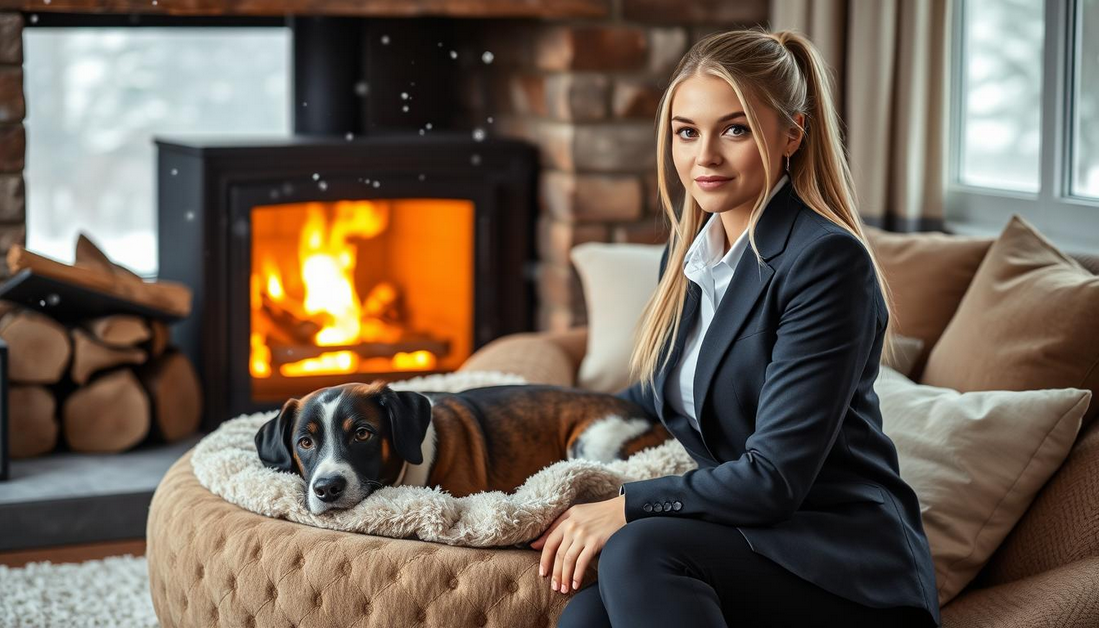
The location of your pet’s bed plays a significant role in their comfort. Place the bed in a draft-free area away from cold windows and doors. Consider the natural warmth of your home; for example, a spot near a sunny window during the day can be ideal.
It’s also worth noting that pets often prefer to be close to their owners. Placing their bed in a frequently used room can help them feel more secure and comfortable.
DIY Warming Solutions for Pet Sleeping Areas
Creating DIY warming solutions can be a fun and cost-effective way to keep your pet warm. Here are a few ideas:
No-Sew Fleece Bed Liners
A simple no-sew fleece bed liner can add an extra layer of warmth to your pet’s bed. Cut two pieces of fleece to fit the bed, tie knots in the corners and edges, and you’re done.
Rice-Filled Warming Pillows
Rice-filled warming pillows are another great DIY project. Fill a pillowcase with uncooked rice and microwave it for a few minutes. The warmth will last for hours, providing a cozy spot for your pet.
| DIY Project | Materials Needed | Benefits |
|---|---|---|
| No-Sew Fleece Bed Liners | Fleece, scissors | Easy to make, adds warmth |
| Rice-Filled Warming Pillows | Rice, pillowcase | Provides long-lasting warmth, comforting |
By implementing these strategies, you can create a warm and inviting sleeping area for your pet, ensuring they stay comfortable throughout the winter.
“The comfort of our pets is paramount, especially during the harsh winter months. By focusing on their sleeping areas and incorporating warmth and coziness, we can significantly improve their quality of life.”
Managing Home Temperature and Humidity for Pets
To keep your pets cozy and healthy, it’s vital to manage your home’s temperature and humidity levels during winter. The ideal indoor climate can significantly impact your pet’s comfort and overall well-being.
Ideal Temperature Settings for Different Pets
Different pets have varying temperature preferences. For example, dogs and cats generally thrive in temperatures between 68°F to 72°F (20°C to 22°C). In contrast, smaller pets such as hamsters and gerbils may require warmer environments, typically above 72°F (22°C). It’s essential to research the specific temperature needs of your pet to ensure their comfort.
| Pet Type | Ideal Temperature Range |
|---|---|
| Dogs | 68°F – 72°F (20°C – 22°C) |
| Cats | 68°F – 72°F (20°C – 22°C) |
| Hamsters/Gerbils | Above 72°F (Above 22°C) |
| Birds | 65°F – 75°F (18°C – 24°C) |
Humidity Considerations for Pet Health
Maintaining appropriate humidity levels is crucial for your pet’s health. Dry air can lead to skin issues and respiratory problems in pets. A humidity level between 30% to 50% is generally recommended for most households with pets. Using a humidifier can help achieve this balance, especially in very dry environments.

Smart Thermostats and Pet-Friendly Programming
Investing in a smart thermostat can be a game-changer for pet owners. These devices allow you to program temperature adjustments throughout the day, ensuring your home remains comfortable for your pets even when you’re not there. Some smart thermostats can even detect changes in humidity and temperature, making adjustments accordingly.
Addressing Cold Spots and Drafts
Cold spots and drafts can make your home uncomfortable for pets. Identifying and addressing these areas is crucial for maintaining a cozy environment.
Weather Stripping and Door Sweeps
Using weather stripping around doors and windows, and installing door sweeps, can significantly reduce cold drafts entering your home. This not only keeps your pets warmer but also reduces energy costs.
Window Insulation Solutions
Applying window insulation film or using thermal curtains can help keep warmth in and cold out. This is especially important for pets that spend a lot of time near windows or in sunrooms.
By implementing these strategies, you can create a warmer, more comfortable home for your pets during the winter months, reducing the risk of cold stress and enhancing their overall well-being.
Pet-Friendly Flooring Solutions for Winter
Ensuring your home is pet-friendly during winter involves several adjustments, including flooring solutions. Cold flooring can be uncomfortable for pets, and as a responsible pet owner, it’s crucial to make your home cozy for them.
One of the simplest ways to make your flooring more comfortable for your pets is by using temporary floor coverings. These can include pet-friendly rugs and mats that provide warmth and comfort underfoot. When choosing these coverings, ensure they are made from durable, easy-to-clean materials.
Temporary Floor Coverings for Cold Surfaces
Temporary floor coverings are an excellent short-term solution. They come in various sizes and materials, such as wool or synthetic fibers, which can add warmth to cold surfaces. Placement is key; position these coverings in areas where your pets spend most of their time.
Heated Floor Options Safe for Pets
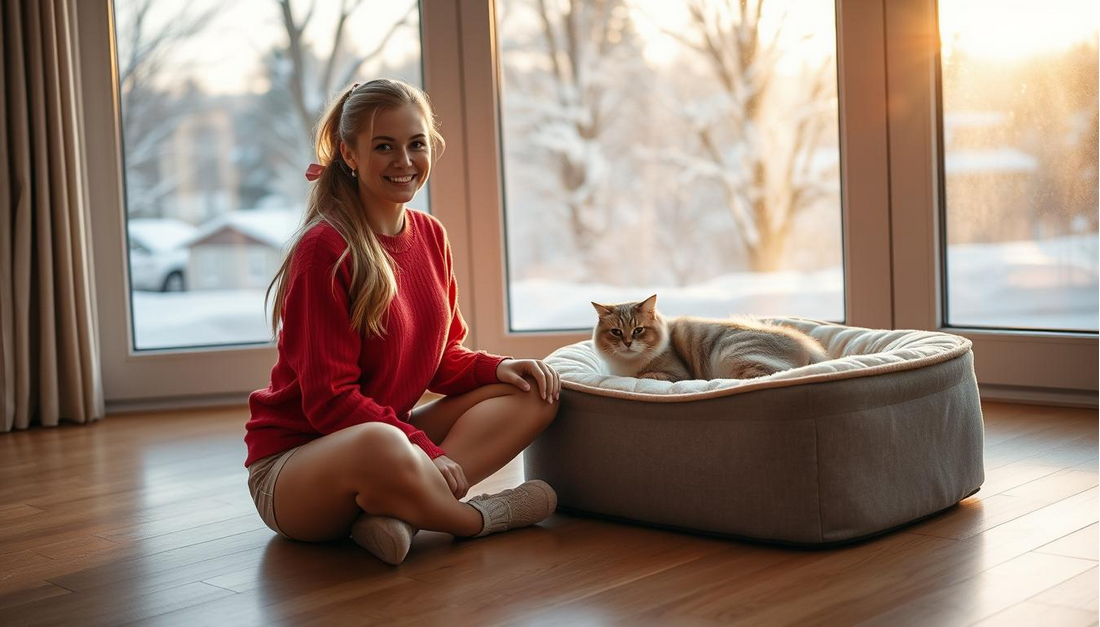
For a more permanent solution, consider heated flooring options that are safe for pets. Modern heated flooring systems are designed to be energy-efficient and can be controlled to maintain a comfortable temperature. It’s essential to choose systems that are specifically designed with pet safety in mind.
Creating Warm Pathways Through Your Home
Creating warm pathways involves strategically placing heated mats or rugs along the routes your pets most frequently use. This not only provides them with comfort but also encourages them to move around your home more comfortably during the cold winter months.
By implementing these pet-friendly flooring solutions, you can significantly enhance your pet’s comfort and overall well-being during the winter season.
Indoor Activity Zones to Keep Pets Engaged
With the arrival of winter, creating indoor activity zones can significantly improve your pet’s comfort and happiness. As pets spend more time indoors during the cold winter months, it’s essential to keep them engaged and active to prevent boredom and related behavioral issues.
Setting Up Winter Play Areas
Transforming a part of your home into a play area can be a great way to keep your pets active. Consider dedicating a room or a corner to pet play, equipped with pet-friendly toys and equipment. For cats, this might include climbing structures and scratching posts, while dogs might enjoy interactive puzzle toys and comfortable resting areas.

Mental Stimulation Ideas for Confined Winter Days
Mental stimulation is just as important as physical exercise, especially when outdoor activities are limited. Engage your pet’s mind with treasure hunt games, where you hide treats or toys around the house, encouraging them to sniff and find them. You can also try DIY puzzle feeders that challenge your pet to figure out how to get their meal.
Adapting Exercise Routines for Indoor Spaces
While outdoor walks might be shorter, you can still maintain your pet’s physical health with indoor exercises. For dogs, indoor agility courses can be set up using household items, such as tunnels made from chairs and jumps made from broomsticks. For cats, laser pointer play or feather teaser toys can encourage running and pouncing.
Indoor Agility Courses
Creating an indoor agility course for your dog can be as simple as setting up a series of obstacles in your living room. Use couch cushions to create tunnels, and hang a blanket between two chairs to make a makeshift tent. This not only provides exercise but also strengthens your bond with your pet.
Treasure Hunt Games for Pets
Treasure hunt games are an excellent way to mentally stimulate your pets. Hide treats in various locations around the house, encouraging your pet to use their sense of smell to find them. This activity can be adapted for both dogs and cats, using different types of treats to suit their preferences.
By implementing these indoor activity zones and engaging your pets in various stimulating activities, you can ensure they remain happy, healthy, and comfortable throughout the winter months.
Safe Heating Options and Potential Hazards
Winter heating is a necessity, but it comes with risks that pet owners need to be aware of to ensure their homes remain safe and warm for their furry friends. As the temperature drops, it’s crucial to adopt heating solutions that are not only effective but also safe for your pets.
Pet-Safe Space Heaters and Heating Pads
When it comes to keeping your pets warm, pet-safe space heaters and heating pads are viable options. Look for heaters with automatic shut-off features and keep them out of reach of your pets to avoid any accidents. Heating pads designed for pets can provide warmth and comfort, especially for older pets or those with arthritis.

Fireplace and Stove Safety Measures
Fireplaces and stoves can be hazardous if not properly maintained. Ensure that your fireplace or stove is installed correctly and keep a screen in front to prevent pets from getting too close to the flames. Regular cleaning is also essential to prevent the buildup of harmful substances.
Preventing Burns and Overheating
To prevent burns, keep heating devices out of your pets’ reach. Be cautious with hot surfaces and never leave your pets unattended near a heating source. Overheating can also be a risk, so monitor your pets’ behavior and adjust the heating accordingly.
Avoiding Carbon Monoxide Risks
Carbon monoxide poisoning is a significant risk with certain heating systems. Ensure that your heating system is properly maintained, and consider installing carbon monoxide detectors in your home. These detectors can alert you to any potential dangers, allowing you to take action to protect your pets and family.
Some key safety measures to keep in mind include:
- Regularly inspect your heating systems and devices.
- Keep heating devices out of reach of pets.
- Never leave pets unattended near heating sources.
- Install carbon monoxide detectors.
By being aware of these potential hazards and taking steps to mitigate them, you can ensure a warm and safe environment for your pets during the winter months.
Special Winter Considerations for Different Pets
As winter sets in, it’s crucial to consider the diverse needs of your pets to ensure their comfort and well-being. Different pets have varying requirements to stay safe and healthy during the cold months.
Elderly and Arthritic Pet Accommodations
Elderly and arthritic pets need extra care during winter. Orthopedic beds can provide relief for aching joints, while ramp access can help them navigate slippery floors. Consider using heated beds or pads specifically designed for pets, as these can be a great comfort. Ensure their bedding is in a warm, draft-free area.

Small Breed and Short-Haired Pet Needs
Small breed and short-haired pets are more susceptible to cold. Consider using sweaters or coats designed for pets when they’re outside, and ensure their indoor environment is warm enough. You can also use heated pet mats or warm bedding to keep them cozy.
Exotic Pet Temperature Requirements
Exotic pets, such as reptiles, have specific temperature requirements. It’s essential to maintain their enclosures within the recommended temperature range. Using heat lamps or heat mats designed for reptile habitats can help achieve the right conditions. Monitor the temperature closely to avoid overheating or underheating.
Multi-Pet Household Solutions
In multi-pet households, it’s crucial to ensure each pet’s needs are met. Create separate areas for pets that require different temperatures or environments. For example, a warm area for dogs and cats, and a cooler area for pets that prefer lower temperatures. Using pet-safe heating solutions and ensuring good ventilation can help maintain a comfortable home for all pets.
By addressing the unique needs of your pets, you can create a warm and welcoming home that protects them from the cold indoors and ensures their overall comfort and happiness during the winter months.
Conclusion: Creating a Winter Haven for Your Pets
As winter sets in, it’s essential to make winter home adjustments for pets to ensure their comfort and well-being. By implementing the strategies discussed in this article, you can improve pet comfort in winter and create a cozy haven for your furry friends.
A pet winter wellness guide is not just about keeping them warm; it’s about creating an environment that caters to their needs. From adjusting your home’s temperature and humidity levels to creating cozy sleeping areas and indoor activity zones, every detail counts.
By incorporating cozy home ideas for pets winter, such as heated flooring and pet-friendly space heaters, you can make a significant difference in your pet’s quality of life. Remember, a comfortable pet is a happy pet.
By making these simple adjustments, you can ensure your pets stay happy, healthy, and comfortable throughout the winter months. Start making these changes today and give your pets the gift of a warm and welcoming home.
FAQ
How can I keep my pet warm and comfortable during winter?
To keep your pet warm, provide a warm and cozy sleeping area, adjust your home’s temperature, and consider using pet-safe heating pads or heated beds. You can also create a warm pathway through your home by using temporary floor coverings or heated floor options.
What are the signs that my pet is uncomfortable in the cold?
Signs of discomfort in pets include shivering, whining, or showing reluctance to go outside. Some pets may also exhibit changes in behavior, such as becoming more lethargic or restless. If you notice any of these signs, consider making adjustments to your home to improve your pet’s comfort.
How can I create a cozy sleeping area for my pet?
To create a cozy sleeping area, choose optimal bedding materials, such as orthopedic mattresses or heated beds, and place the bed in a warm and draft-free location. You can also consider DIY warming solutions, like no-sew fleece bed liners or rice-filled warming pillows.
What is the ideal temperature for my home during winter to keep my pet comfortable?
The ideal temperature varies depending on the type of pet. Generally, a temperature range between 68-72°F (20-22°C) is considered comfortable for most pets. However, some pets, like elderly or arthritic pets, may require a warmer environment.
How can I prevent cold spots and drafts in my home?
To prevent cold spots and drafts, use weather stripping and door sweeps to seal gaps around doors, and consider window insulation solutions, such as thermal curtains or window films, to keep warmth in and cold out.
Are there any pet-safe heating options available?
Yes, there are pet-safe heating options, such as pet-safe space heaters and heating pads, that can be used to keep your pet warm. Always follow the manufacturer’s instructions and take necessary precautions to prevent burns or overheating.
How can I keep my pet engaged and active during winter?
To keep your pet engaged and active, set up indoor play areas, provide mental stimulation through activities like treasure hunt games, and adapt exercise routines to indoor spaces. You can also consider creating an indoor agility course to keep your pet active and entertained.
What are some special considerations for different types of pets during winter?
Different pets have unique needs during winter. For example, elderly or arthritic pets may require a warmer environment, while small breed or short-haired pets may need extra care to prevent hypothermia. Exotic pets may have specific temperature requirements, and multi-pet households may need tailored solutions to meet the needs of each pet.