


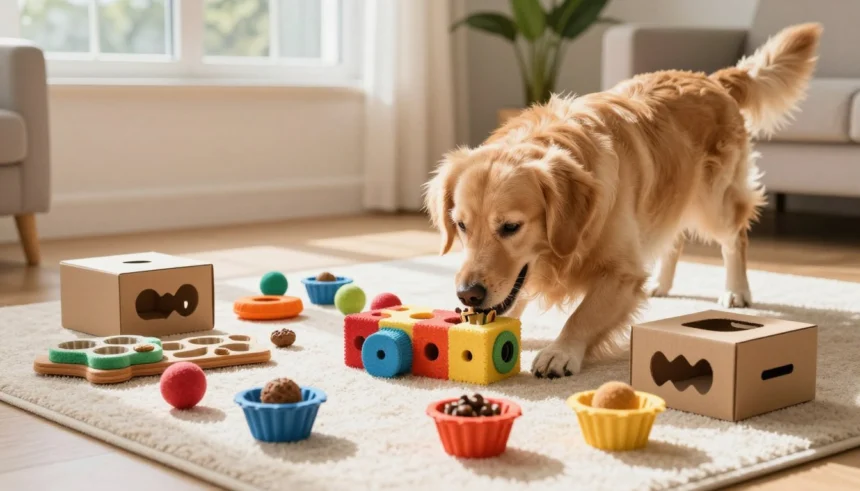
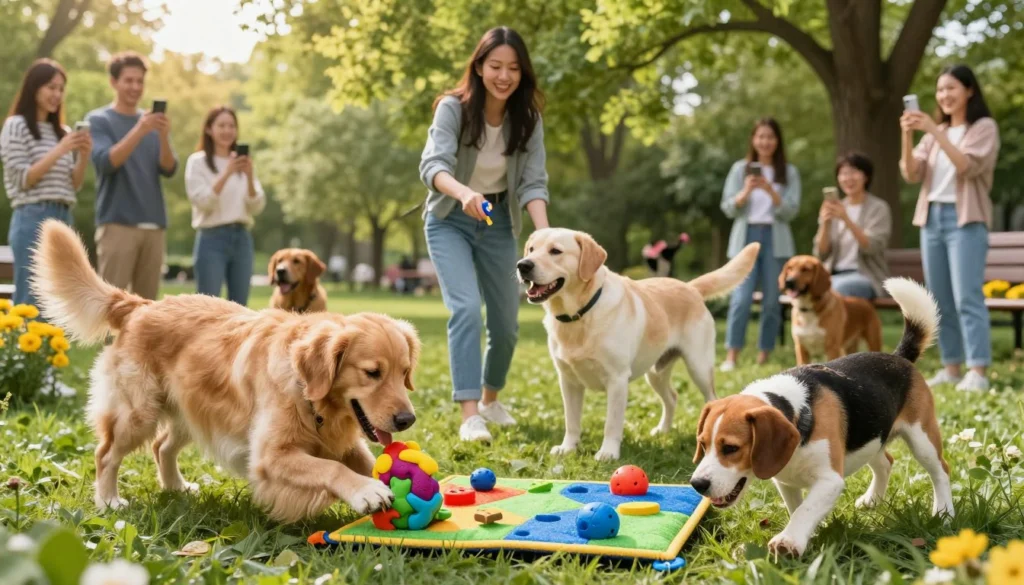
Why Every Dog Owner Is Obsessed With Dog Enrichment Activities in 2026
The #dogenrichment trend has rapidly grown across social platforms, inspiring millions of short clips and community posts that show owners using toys, scent games, and puzzle feeders to boost their pets’ wellbeing. What used to be “a long walk is enough” has shifted — experts now emphasize that mental stimulation is as important as physical exercise for a balanced dog.
- The Evolution of Dog Enrichment Activities 2026
- The Science Behind Mental and Physical Benefits
- Viral Trends: Why #dogenrichment is Dominating TikTok
- Top 10 Trending Dog Enrichment Activities for 2026
- Sniffari Walks and Scent Work
- Interactive Puzzle Feeder Challenges
- Frozen Lick Mat Creations
- Agility Training in the Living Room
- Hide and Seek with High-Value Treats
- DIY Enrichment Ideas for the Budget-Conscious Pet Parent
- Best Enrichment Toys and Products for Modern Dogs
- Kong Wobbler Treat Dispenser
- Outward Hound Hide‑A‑Squirrel Puzzle
- Nina Ottosson Dog Brick Interactive Toy
- Tailored Enrichment: Why Small Dog Breeds Need Unique Approaches
- Creating Viral Content with Hypernatural AI
- Integrating Enrichment into Daily Training Routines
- Sensory Stimulation Techniques for Canines
- Safety First: Best Practices for Interactive Play
- Conclusion
By giving pets safe outlets for natural behaviors, owners can transform daily routines. These dog enrichment activities 2026 help dogs feel calmer, reduce destructive behaviors, and make training time more productive. Thoughtful enrichment engages the dog brain, strengthens the human–pet bond, and makes your time together more rewarding.
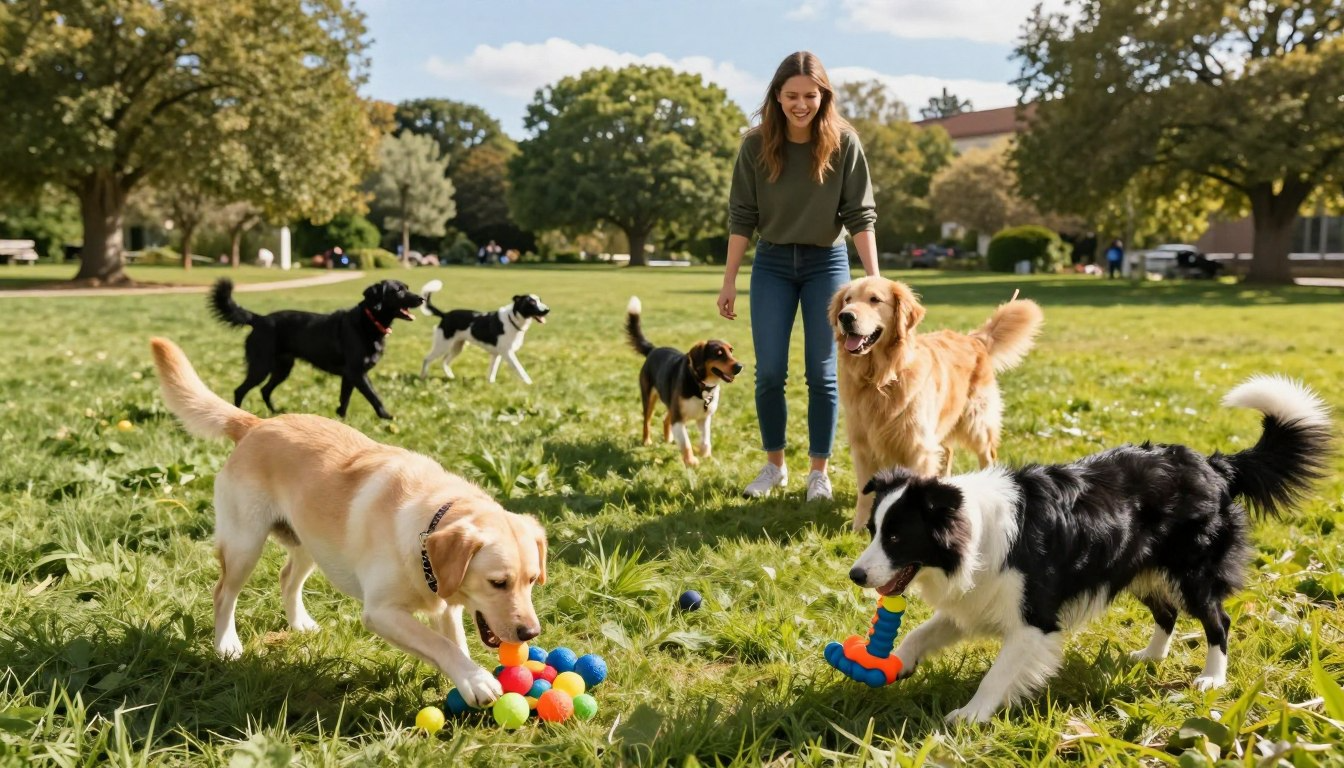
Golden retriever sniffing grass on a sunny park walk during a sniffari — warm lifestyle photo
Think of enrichment sessions as meaningful hobbies for your dog: short, intentional activities that use toys, treats, and scent work to stimulate problem-solving and curiosity. Regular enrichment not only keeps dogs mentally sharp and happy but also makes downtime and play more fulfilling for both of you.
Key Takeaways
Mental stimulation matters: combining physical exercise with focused brain games and enrichment activities reduces boredom, improves impulse control, and helps dogs stay emotionally healthy.
- Mental stimulation is just as important as physical exercise for canine health.
- Enrichment allows pets to express natural behaviors in a safe, controlled environment.
- Consistent mental engagement significantly reduces common behavioral issues like furniture chewing.
- Treating these sessions like human hobbies improves the overall quality of life for pets.
- The current trend focuses on proactive care to keep companions calm and happy.
Try one activity this week: read the Top 10 activities below, pick a 10–15 minute puzzle or sniffari, and share a short clip — you might inspire another owner. (If you want expert-backed guidance, look for certified trainers or veterinary behaviorists when introducing new challenges.)
The Evolution of Dog Enrichment Activities 2026
By 2026, the way we care for dogs has shifted from a focus on purely physical exercise to a balanced approach that values mental engagement equally. Today, dog enrichment activities 2026 are considered essential for a happy dog—especially for pets living in apartments, homes with busy owners, or with limited outdoor access.
Historically, many breeds had jobs—herding, guarding, or hunting—that naturally satisfied their instincts. In modern life those roles are rare, so dogs often need deliberate enrichment to channel their energy; without it they may develop unwanted behaviors such as chewing or excessive barking.
That’s why contemporary dog wellness focuses on structured mental challenges alongside walks and play. Simple tools like puzzle feeders and scent games give dogs meaningful tasks that build problem-solving skills and confidence, recreating the sense of purpose they once had in working roles.
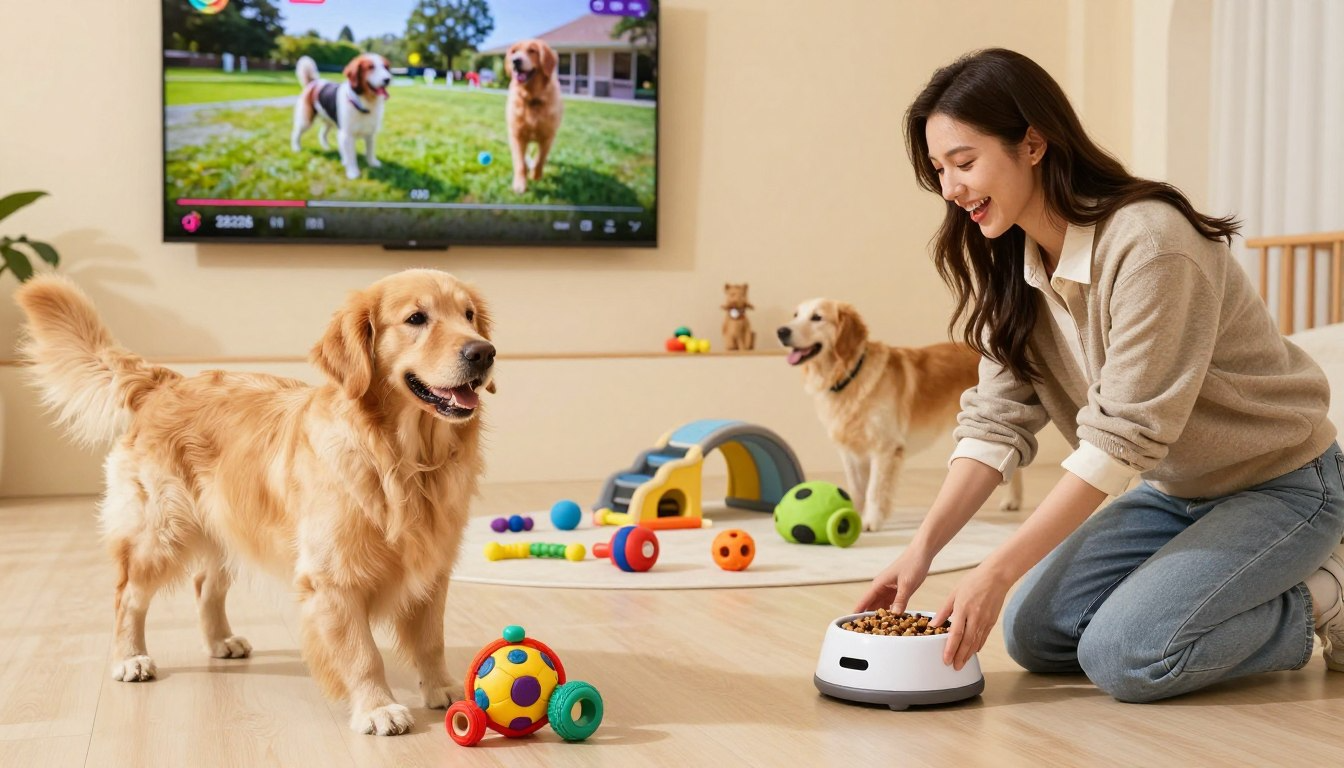
Blonde woman guiding her dog through an interactive puzzle feeder at home — warm lifestyle photo
In practical terms, enrichment replaces “work” with activities suited to modern life: indoor puzzles for rainy days, scent trails around the house, or short, focused training sessions after a walk. These activities improve a dog’s quality of life and strengthen the bond between dog and owner.
Quick example: one apartment owner introduced a 10-minute puzzle-feeder session each evening and reported far fewer chewing incidents within two weeks—anecdotally backing the idea that targeted enrichment changes behavior when combined with consistent routine and supervision.
As veterinary behaviorist Dr. Emily Hart (DACVB) notes, “Providing predictable moments of mental challenge—puzzles, foraging, and scent work—helps many dogs feel secure and reduces problem behaviors by meeting their cognitive needs.” Consider small steps: introduce a low-difficulty puzzle or feeder, monitor your dog’s reaction, and gradually increase challenge as skills improve.
The Science Behind Mental and Physical Benefits
Mental stimulation for pets plays a central role in overall canine wellbeing. While walks and physical exercise support fitness, research and practitioner experience show that deliberately engaging the canine brain—through scent work, puzzles, and foraging—delivers measurable benefits for behavior and emotional health.
When dogs sniff, they activate reward pathways in the brain; studies link focused olfactory activity to reduced stress indicators and increased engagement. Rather than saying sniffing simply “releases dopamine” as if it were a single-step cure, a more accurate description is that scent-driven exploration activates neurochemical systems associated with reward and relaxation, which helps some dogs settle and enjoy their environment more.
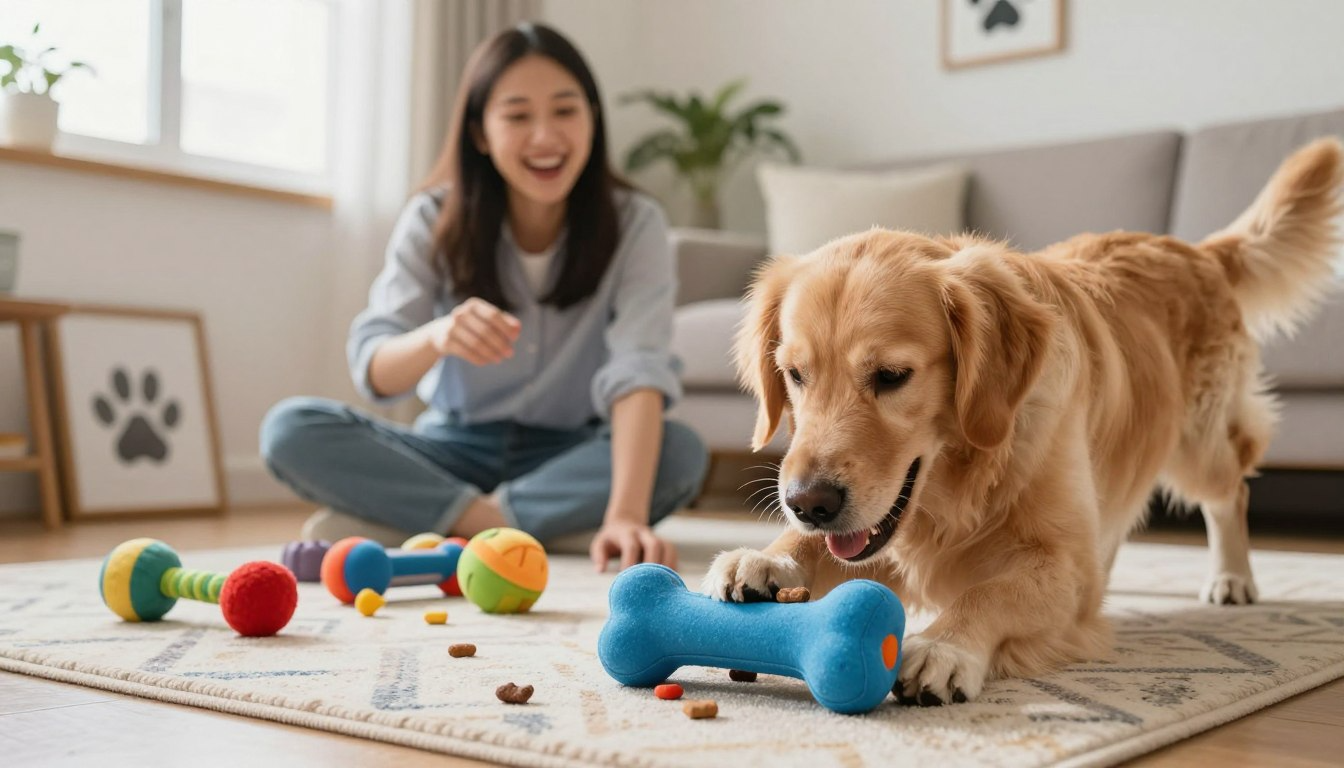
Close-up of a dog sniffing a grassy trail during structured scent work — warm lifestyle photo
Regular brain games for dogs—puzzle feeders, hide-and-seek with treats, and lick mats—teach problem-solving skills and provide an outlet for natural behaviors. These activities combine mild physical effort with mental challenge, linking exercise and cognitive engagement in ways that promote better behavior at home.
Consistent mental stimulation reduces common issues like restlessness and destructive chewing by occupying a dog’s mind and giving it rewarding goals. Prioritizing cognitive challenges as part of daily routine helps dogs stay focused, emotionally balanced, and generally dog happy.
Quick science footnote: peer-reviewed work in animal behavior and applied animal cognition journals supports the idea that scent work and puzzle-based enrichment lower stress markers and increase goal-directed behavior in dogs—consult sources such as applied animal behavior reviews or your veterinarian for specific studies.
Practical safety tip: when using lick mats or food-based puzzles, avoid foods containing xylitol and limit high-fat or dairy treats for dogs with sensitive stomachs—use plain yogurt, mashed banana, or xylitol-free peanut butter in small amounts.
Viral Trends: Why #dogenrichment is Dominating TikTok
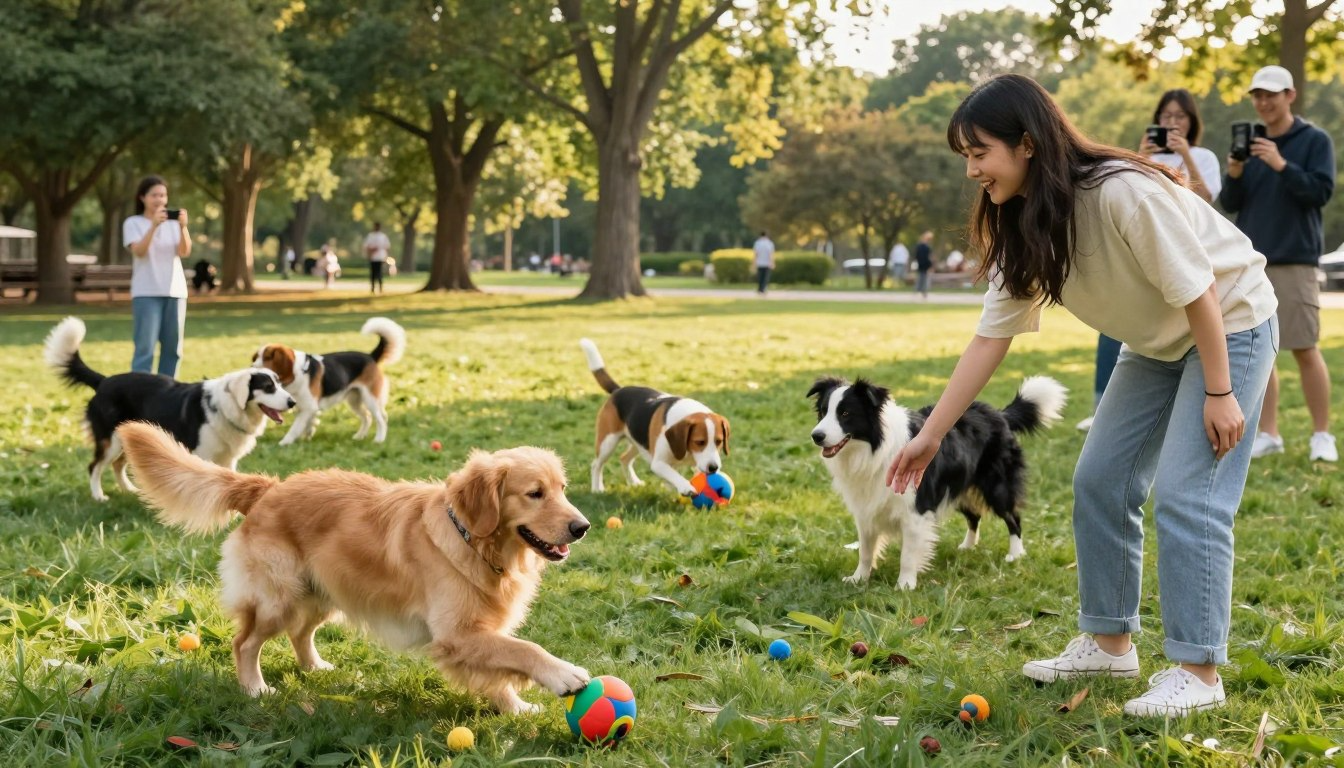
If you’ve scrolled through TikTok lately, you’ve likely seen dozens of short clips showing dogs solving puzzles, exploring scent trails, or enjoying lick mats. The dog enrichment movement on social video is widely viewed and has turned everyday enrichment activities into shareable experiences that inspire other owners to try new games at home.
dog enrichment activities
These viral dog videos do more than entertain: they create a repository of practical ideas for enrichment — from DIY puzzles to multi-level feeder challenges — and they show real owners solving common behavior problems through play. Following tiktok dog trends helps owners discover new toys, learn safe ways to set up scent work, and see real-world results from enrichment experiences.
New editing tools like Hypernatural AI can make these clips easier to produce, helping creators highlight a dog’s progress and the environment in which the activity takes place. (Note: verify current features and pricing directly with the vendor; if you use a link that benefits the author, disclose the relationship clearly.)
Why do these videos catch on? A few reasons stand out:
- Relatability: Viewers see real owners working through familiar challenges and find practical solutions they can replicate.
- Creativity: DIY and low-cost approaches show how household items and simple tricks deliver strong enrichment results.
- Community: Owners share tips, tag experts, and create a feedback loop that spreads new ideas quickly.
Want to try posting your own? Three short clip ideas that perform well: (1) a 15–30 second before/after showing reduced chewing after introducing a puzzle feeder; (2) a vertical “how-to” of a sniffari or scent trail setup in your yard; (3) a heartwarming bonding moment after a successful enrichment session. Include clear captions, show the toy or feeder used, and keep the environment tidy and safe so viewers can replicate the activity.
Pet experts and trainers increasingly weigh in on these trends, offering tips on safe toys, appropriate difficulty levels, and how to adapt activities for different dogs. When shared responsibly, viral enrichment content raises the overall standard of care and gives owners approachable ways to enrich their dogs’ lives.
Top 10 Trending Dog Enrichment Activities for 2026
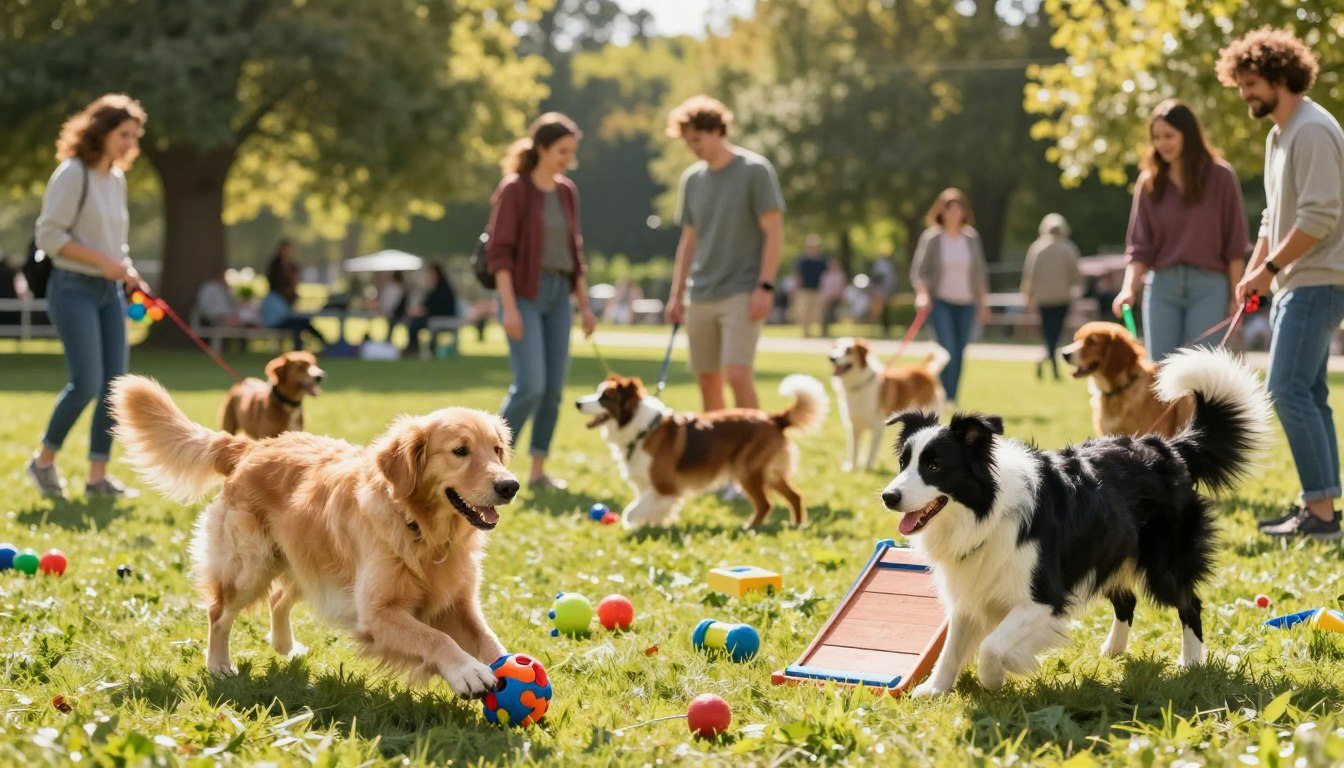
Keeping a dog‘s mind sharp is more than just a walk. In 2026, owners are choosing targeted enrichment activities to keep their pets engaged, reduce boredom, and prevent destructive behaviors. These stimulating activities for pups combine play, scent work, and puzzle-solving to give dogs meaningful goals throughout the day.
dog enrichment activities 2026
Whether you want outdoor games or indoor fun, these trending ideas challenge the dog brain, strengthen your bond, and can be adapted by level and breed. Below are five high-impact activities owners are using now, with quick how-to steps, safety tips, and difficulty levels.
Sniffari Walks and Scent Work
What it is: Let your dog lead a slow, sniff-focused walk (a “sniffari”) or create short scent trails in your yard or house.
How to run it: 1) Let leash relax and allow extended sniff time; 2) Hide a few treats or scented objects at increasing distances; 3) Praise and reward when your dog locates targets.
Safety & level: Easy. Keep sessions to 10–20 minutes; avoid high-traffic areas and watch for fatigue.
Interactive Puzzle Feeder Challenges
What it is: Use puzzle feeders to slow meals and force problem solving.
How to run it: 1) Start on the easiest setting with kibble rewards; 2) Gradually increase difficulty or change feeders to new puzzle types; 3) Supervise first sessions to ensure safe use.
Safety & level: Medium. Puzzle feeders are great for slowing fast eaters — always match feeder size to your dog’s jaws and chewing strength.
Frozen Lick Mat Creations
What it is: Fill a lick mat with dog-safe spreads and freeze for a long-lasting calming treat.
How to run it: 1) Use xylitol-free peanut butter, plain yogurt, or mashed banana; 2) Spread thinly onto a silicone mat and freeze; 3) Offer for 5–15 minutes under supervision.
Safety & level: Easy. Limit portion size and avoid dairy if your dog is intolerant; check ingredient safety with your vet.
Agility Training in the Living Room
What it is: Low-impact indoor agility using household items to create obstacles and short courses.
How to run it: 1) Use cushions for weave poles, broomsticks for low jumps, and boxes for tunnels; 2) Keep obstacles low and use positive reinforcement; 3) Train in short 5–10 minute bursts to build confidence.
Safety & level: Hard (modifiable). Increase height and complexity only as your dog demonstrates safe control.
Hide and Seek with High-Value Treats
What it is: Hide treats around the house for a scent-driven search game.
How to run it: 1) Start with obvious, visible locations; 2) Progress to hidden spots behind furniture or under towels; 3) Use higher-value treats to maintain motivation.
Safety & level: Medium. Supervise to prevent access to unsafe areas; rotate hiding spots to keep the game fresh.
| Activity TypePrimary BenefitDifficulty Level | ||
| Sniffari Walks | Mental Stimulation | Easy |
| Puzzle Feeders | Problem Solving | Medium |
| Lick Mats | Stress Relief | Easy |
| Indoor Agility | Physical Fitness | Hard (adaptable) |
| Hide and Seek | Scent Tracking | Medium |
Quick tips: rotate activities across the week (short puzzle sessions one day, a sniffari the next) to keep dogs mentally engaged without overdoing any single challenge. Try 10–15 minute sessions for puzzles and 5–20 minutes for sniffari walks — enough time to stimulate the brain but short enough to maintain focus. For more advanced play, combine two activities (e.g., a short agility course followed by a puzzle feeder) to blend physical exercise with cognitive challenge.
DIY Enrichment Ideas for the Budget-Conscious Pet Parent
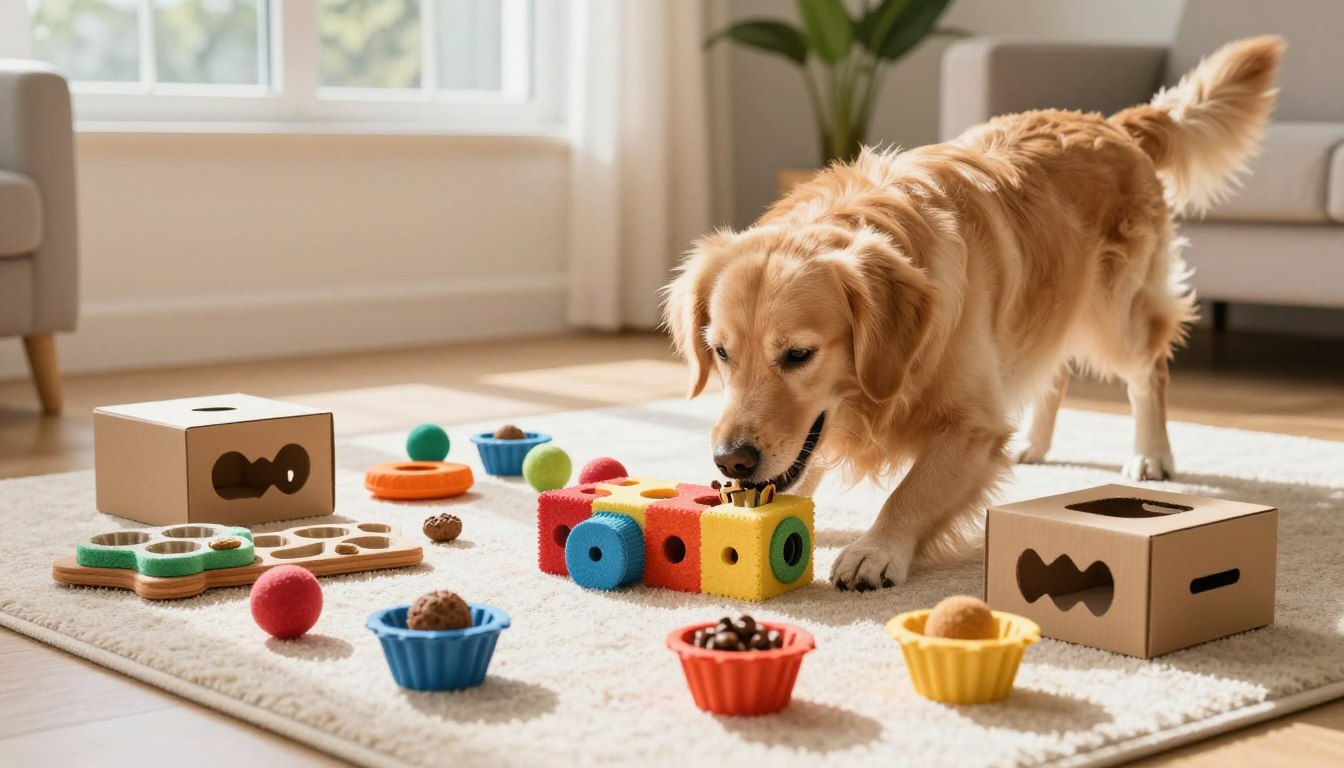
Keeping your dog‘s mind active doesn’t have to be expensive. Many owners assume pricey gadgets are required, but simple enrichment ideas made from common household items can deliver big benefits—boosting problem-solving skills, reducing boredom, and strengthening your bond without breaking the bank.
Enrichment taps into natural instincts and prevents unwanted behaviors like chewing or digging. Easy DIY dog puzzles and short games turn ordinary moments at home into focused, rewarding sessions that use your dog’s nose and brain.
diy dog puzzles
Two quick projects you can do in minutes:
- Snuffle mat (10 minutes prep / ~10–15 minutes play): Layer strips of fleece into a rubber mat or shallow box to create hiding places. Sprinkle kibble or small treats inside and let your dog forage. Supervise and remove any loose threads if your dog chews fabric aggressively.
- Towel roll puzzle (1–2 minutes prep / 5–10 minutes play): Place a few treats along a towel, roll it up and fold the ends. Encourage your dog to unroll and sniff out the snacks. This is an easy, low-cost brain game you can repeat daily.
For variation, change the hiding spots, use different textures, or swap treat types. If you have a puzzle feeder, rotate it into the schedule to increase challenge and mix up the enrichment activities week.
“Short, consistent mental exercises are as important as walks—low-cost DIY games often produce surprisingly strong behavioral improvements.” — paraphrase from experienced trainers and vets
Safety notes and adaptations:
- Check materials for choking hazards (no staples, loose tape, or small detachable parts).
- Match difficulty to your dog’s size and skill level—small dogs may need lighter, smaller toys; large dogs need sturdier materials.
- For frozen treats, use xylitol-free peanut butter, plain yogurt (if tolerated), or mashed banana; freeze on a silicone lick mat and serve for 5–15 minutes. Monitor portions to control calories.
| Enrichment TypeCostPreparation TimeDurability | |||
| DIY Cardboard Box | Free | 2 Minutes | Low |
| Towel Roll Puzzle | Free | 1 Minute | Medium |
| Store-Bought Puzzle/Feeders | $20 – $40 | None | High |
| Frozen Lick Mat | $5 – $10 | 5 Minutes | High |
DIY options are customizable, low-cost, and often surprisingly effective. Combine short DIY games with occasional store-bought dog toys and puzzle feeders to build a varied enrichment routine that keeps your dogs engaged and happy at home.
Best Enrichment Toys and Products for Modern Dogs
Choosing the right tools can turn an ordinary afternoon into a focused enrichment session. Investing in high-quality interactive toys for dogs sharpens problem-solving skills, reduces anxiety, and satisfies natural foraging instincts. The right mix of durable toys and rotating puzzles keeps dogs engaged, helps manage impulse control, and makes solo play safer and more productive.
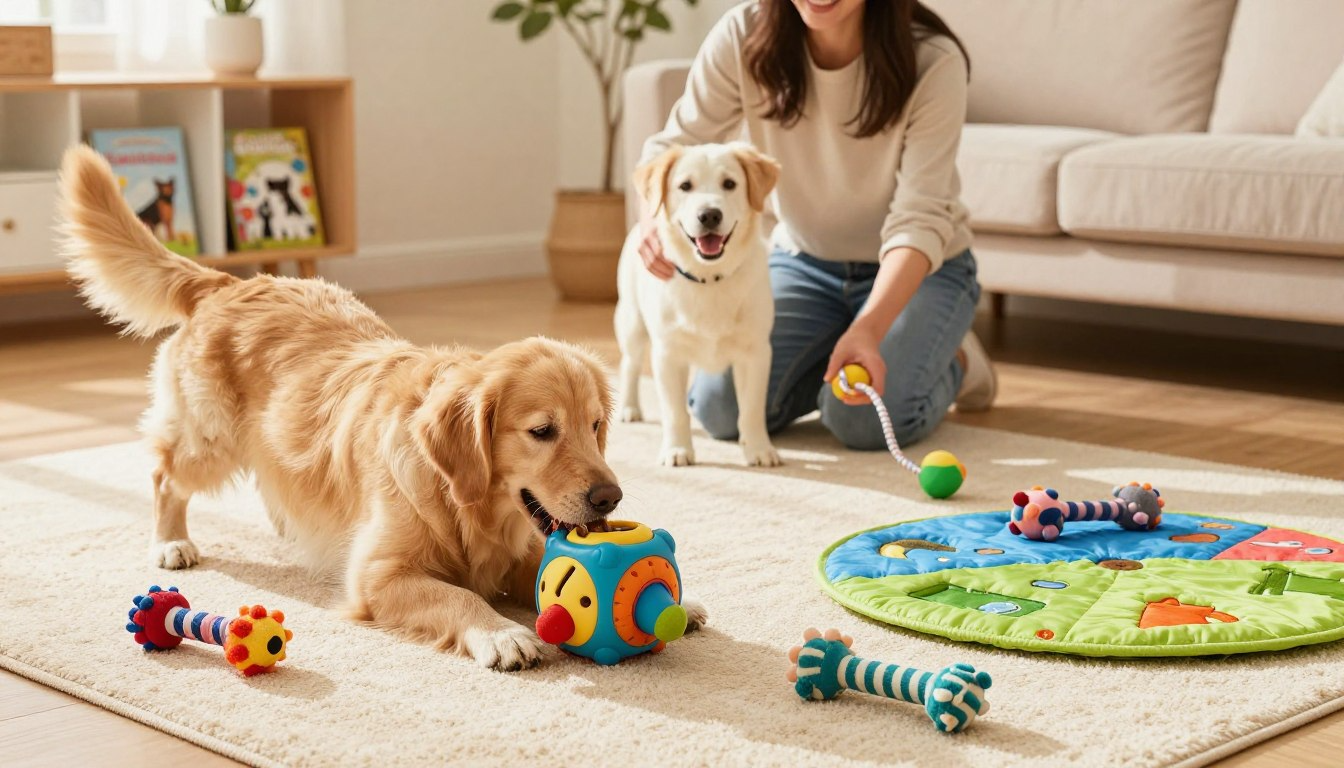
Dog playing with an interactive enrichment toy at home — lifestyle photo
Kong Wobbler Treat Dispenser
Why owners love it: The Kong Wobbler combines motion with reward, encouraging dogs to nudge and paw the dispenser to release kibble. It slows fast eaters and adds a healthy challenge during mealtime.
- Best for: dogs who gulp food or need a slow-feed option.
- Durability: High (choose the appropriate size/model for heavy chewers).
- Quick tip: Start with larger kibble or higher treat visibility to teach the game.
Outward Hound Hide‑A‑Squirrel Puzzle
Why owners love it: This softer puzzle taps into a dog’s prey drive by hiding squeaky plush toys inside a trunk — great for gentle tuggers and short, repeated play sessions.
- Best for: light-to-moderate chewers who enjoy extraction games.
- Durability: Medium (not recommended for power chewers).
- Quick tip: Supervise initial sessions and swap squeaky inserts to maintain novelty.
Nina Ottosson Dog Brick Interactive Toy
Why owners love it: The Dog Brick offers adjustable difficulty, requiring pets to flip, slide, and lift compartments to find treats. It’s an excellent way to build problem-solving skills and mental resilience.
- Best for: dogs that enjoy multi-step puzzles and mental challenges.
- Durability: High (plastic construction; choose appropriate size).
- Quick tip: Use low-value kibble to extend playtime and increase the challenge gradually.
How to choose the right toy for your dog:
- Match toy durability to chewing strength (soft plush vs. heavy-duty rubber).
- Start at the lowest difficulty level to avoid frustration.
- Rotate toys weekly to keep novelty high and engagement sustained.
Pro-level picks: pair a Kong Wobbler (physical + food reward) with a puzzle brick (cognitive challenge) for combined exercise and brain work. For small dogs, choose scaled-down toys that are easy to grip. If you’re unsure, consult an expert trainer or your vet about appropriate dog toys and interactive play techniques.
In short: the right toys make enrichment easy to integrate into daily life — they make dogs happier, reduce problem behaviors, and turn downtime into purposeful play.
Tailored Enrichment: Why Small Dog Breeds Need Unique Approaches
Dog wellness isn’t one-size-fits-all—small dogs have different energy levels, jaw strength, and attention spans than larger breeds. Designing enrichment with your dog’s age, temperament, and size in mind keeps activities safe, effective, and enjoyable.
Mental stimulation for dogs remains essential across sizes, but the type and level of challenge should be adjusted. Small dogs often do best with lightweight, easy-grip puzzles, lower-impact obstacle courses, and shorter sessions that match their endurance.
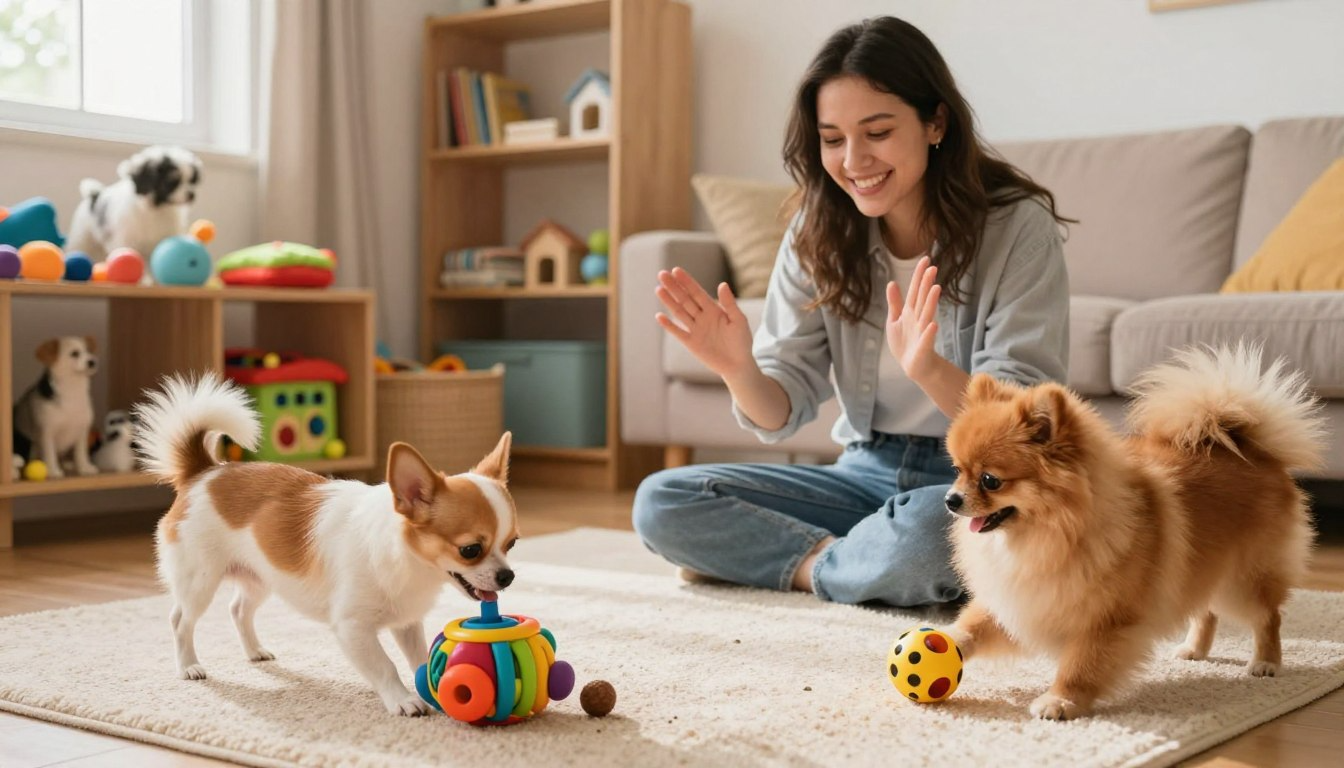
Small dog solving a lightweight puzzle toy on a soft background — lifestyle photo
Keep a close eye when introducing new toys—tiny parts, loose stuffing, or hard plastics can present choking risks for small breeds. Tailoring activities to size and skill level helps build confidence, keeps dogs mentally sharp, and supports long-term health and quality of life.
“True dog wellness comes from matching challenge to ability—small frames often have big curiosity, so start low and build up.”
Breed-specific examples:
- Chihuahuas & Toy breeds: short scent searches around the house, small silicone lick pads, and lightweight puzzles that reward quick problem-solving.
- Pomeranians & small terriers: gentle tug-and-retrieve games with soft toys, low obstacle navigation, and rotation of small treat-dispensing toys to maintain novelty.
Quick adaptation table:
| Activity TypeLarge Breed ApproachSmall Breed Adaptation | ||
| Puzzle Feeders | Heavy-duty, high-capacity | Lightweight, easy-grip textures with smaller openings |
| Scent Work | Wide-area outdoor searches | Indoor hide-and-seek with treats in low, safe spots |
| Physical Play | High-impact agility jumps | Low-impact obstacle navigation and balance exercises |
| Lick Mats | Large surface area mats | Small, silicone-based lick pads with measured portions |
Match challenge to skill, keep sessions short (5–15 minutes), and always supervise new activities. Thoughtful tailoring helps keep dog welfare front and center while boosting their skills and confidence.
Creating Viral Content with Hypernatural AI
Hypernatural AI has become a popular choice for pet owners who want to share their dog enrichment ideas online. The platform can streamline editing so creators focus on the moment—whether it’s a puzzle feeder session, a sniffari clip, or a short training drill—turning raw footage into polished viral dog videos more quickly than traditional editing for many users.
Keeping up with tiktok dog trends is easier when you capture clear, engaging clips. Hypernatural AI can help align shots, add music and captions, and crop vertical videos for the platform, so your enrichment experiences look professional without a steep learning curve. (Tip: always verify current features and pricing with the vendor; if a link benefits the author, include an affiliate disclosure.)
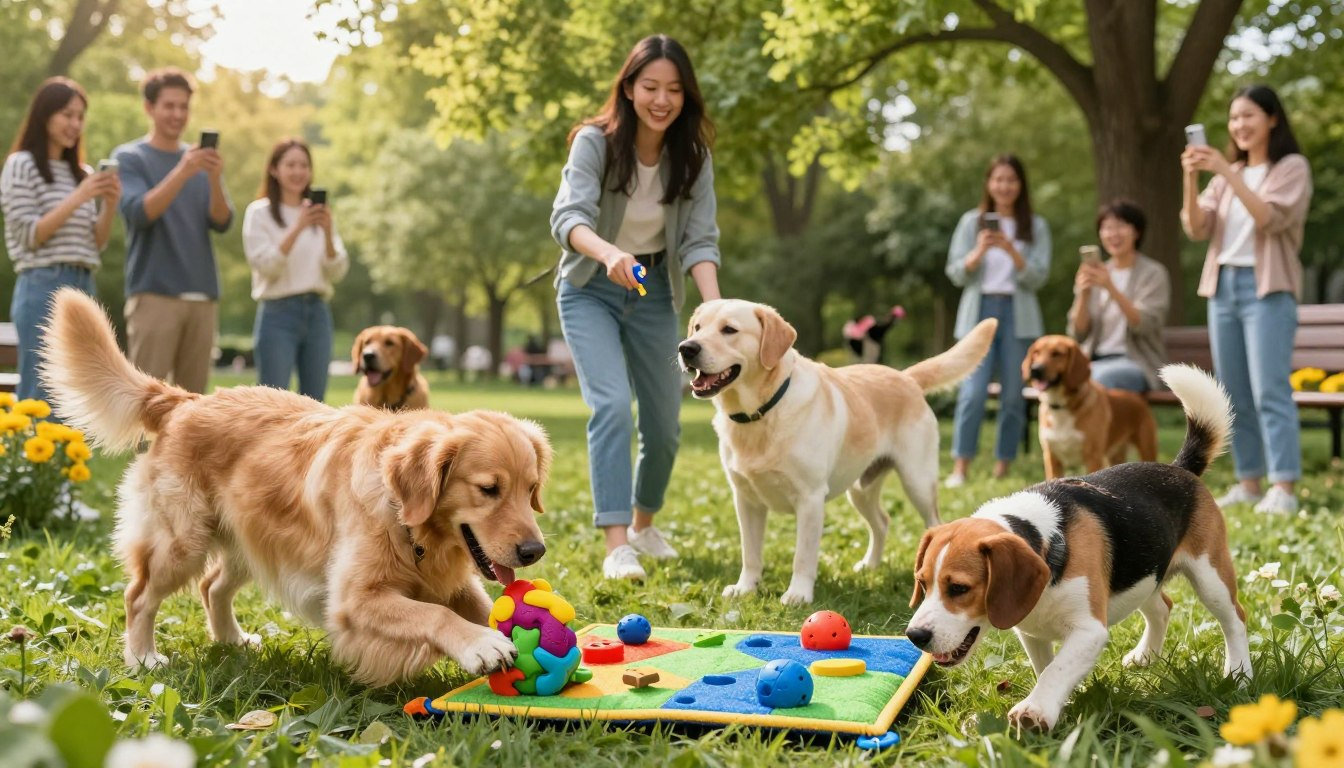
Blonde woman filming her dog playing with enrichment toys on a smartphone — vertical TikTok-style lifestyle photo
The tool focuses on the best parts of your dog’s day and simplifies editing, but it’s not a replacement for thoughtful filming. Two quick filming tips:
- Keep it vertical and steady—use natural light and frame the dog doing the task (capture the moment the puzzle is solved).
- Show the environment and items used (toy names, feeder type) so viewers can replicate the activity at home.
Why creators use it: for many pet parents Hypernatural AI reduces editing time and helps present different types of enrichment challenges clearly, making it easier to teach, document, and share safe enrichment methods for dogs.
Integrating Enrichment into Daily Training Routines
Making enrichment a regular part of your training routine transforms obedience work from repetition into engaging problem-solving. A predictable schedule comforts dogs, but adding varied enrichment keeps them resilient and better prepared for surprises. Modern dog training 2026 emphasizes fun, collaborative sessions that stimulate the dog brain while teaching real-world skills.
Think of enrichment as planned “learning play” during your daily time together. Mixing short bouts of mental stimulation with basic cues strengthens communication, improves responsiveness, and deepens the bond between owner and pet.
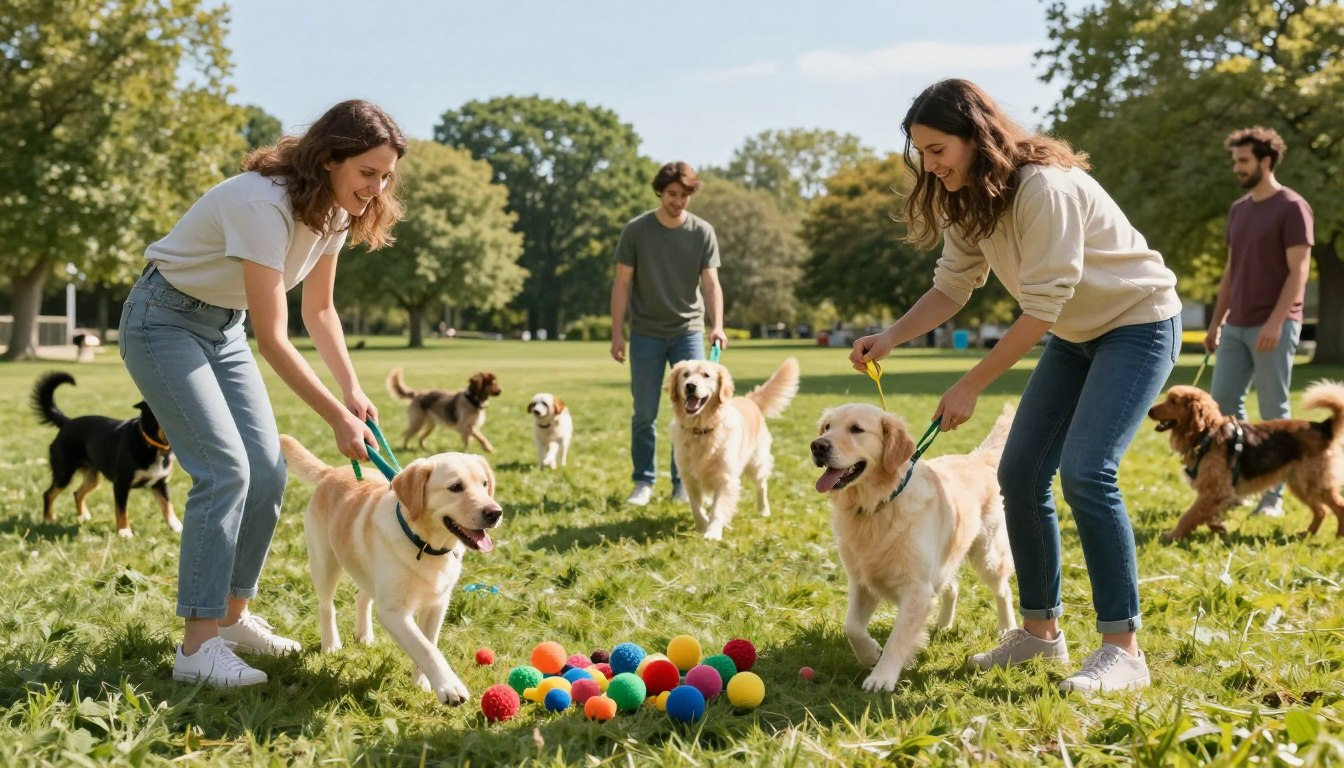
dog training 2026
Sample daily micro-schedule (easy to adopt):
- Morning (5–10 minutes): snuffle mat or puzzle feeder after a short walk — primes the brain for the day.
- Afternoon (3–5 minutes): quick obedience drill using a small puzzle as a reward (e.g., “sit” → solve mini-puzzle → release).
- Evening (10–15 minutes): interactive play or a short indoor agility course followed by a calming lick mat to reinforce relaxation.
Three training drills that pair cues with puzzles:
- Sit → Solve → Reward: Ask for a sit, place a simple puzzle in front of the dog, release them to solve it, then praise — builds impulse control and communication.
- Stay → Search: Hold a short stay, hide a treat nearby, release the dog to find it — great for scent work and patience.
- Recall → Puzzle Finish: Call your dog to you, give a small treat, then direct them to a low-difficulty puzzle for a second reward — teaches reliable recall plus problem-solving.
| FeatureTraditional TrainingEnriched Training | ||
| Primary Goal | Compliance | Problem Solving |
| Reward System | Static Treats | Interactive Puzzles |
| Mental Impact | Low Stimulation | High Engagement |
| Relationship | Authority-Based | Collaborative |
Work with a dog trainer if you need help selecting appropriate puzzles or adjusting difficulty. Small, consistent sessions are better than long, repetitive drills: they keep dogs curious, reinforce communication, and strengthen your bond while improving real-life behavior. Start small, increase challenge gradually, and enjoy the process of learning together.
Sensory Stimulation Techniques for Canines
Dogs need more than physical exercise—their senses must be engaged to stay balanced and content. Sensory stimulation for canines taps into natural behaviors like sniffing, texture exploration, and sound detection, providing rich mental stimulation that complements walks and play.
Think beyond fetch: varied sensory enrichment helps dogs learn about their world and reduces boredom. Below are practical techniques you can try at home or in the backyard, each with simple steps and safety notes.
Plan a week of activities that lets your dog lead sometimes—short sniff-focused sessions interspersed with tactile and auditory games keep engagement high and help keep dog interest over time.
Here are ways to make your dog’s world more interesting:
- Scent Trails (safe option): Use food-based scent markers (kibble, small treats, or a dab of plain peanut butter that is xylitol-free) to create a short path. Steps: 1) Lay a visible trail for the first run, 2) Gradually make the trail more challenging, 3) Praise when your dog follows it. Safety: avoid essential oils—many are toxic to dogs; use only food-based or vet-approved scent kits.
- Texture Walks: Introduce different surfaces—grass, sand, carpet, foam mat—to your yard or indoors. Steps: 1) Introduce one new surface at a time, 2) Let your dog explore at their own pace, 3) Use treats to encourage boldness. Safety: check for sharp objects and supervise to prevent paw injuries.
- Auditory Games: Use quiet nature sounds or puzzle toys with gentle noises to build attention. Steps: 1) Start at low volume, 2) Reward calm responses, 3) Increase variety slowly. Safety: avoid sudden loud noises that can startle or stress your dog.
- Interactive Foraging: Scatter a portion of dry food in tall grass or among safe yard features for natural scavenging. Steps: 1) Ensure the area is secure and free of hazards, 2) Use small portions to control calories, 3) Supervise to avoid ingestion of dangerous items. Safety: be mindful of local wildlife and avoid areas with pesticides or toxic plants.
Do not use: xylitol-containing items, unvetted essential oils, small loose parts that could be swallowed, or foods your veterinarian advises against. For dogs that have mobility issues or medical conditions, adapt textures and distances so the activity remains comfortable.
Short, frequent sessions (5–15 minutes) focused on scent or tactile exploration can be more effective than long bouts of fetch—let your dog lead a sniffari sometimes to discover what truly excites them. These multisensory experiences boost confidence, sharpen focus, and make play more meaningful.
Safety First: Best Practices for Interactive Play
Safety is the foundation of enjoyable enrichment. Thoughtful supervision and appropriate toy selection keep playtime productive and protect your dog’s physical health. A little proactive monitoring goes a long way toward preventing accidents and ensuring positive experiences.
Always watch your dog when introducing new interactive toys for dogs or puzzles. Supervision lets you intervene if a toy breaks, if small parts become exposed, or if your dog shows signs of stress. Match toys and items to your dog’s size and chewing style to reduce risk.
Keep the play area tidy and free of hazards. Choose durable toys for aggressive chewers and softer options for gentle players. Short, focused sessions help maintain interest and impulse control while avoiding overexertion.
- Inspect toys before and after play for damage, loose pieces, or sharp edges.
- Remove broken toys immediately to prevent choking hazards.
- Pick toys that suit your dog’s strength and play style (rotate items to maintain novelty).
- Limit sessions to 5–15 minutes depending on activity intensity and your dog’s stamina.
Include a cool-down after active play—a calm petting session or a few minutes with a lick mat helps transition your dog back to rest. If your dog appears anxious, possessive, or unusually aggressive around toys, pause the activity and consult a professional.
When to call a pro: seek help from a certified trainer or veterinary behaviorist if you notice (1) persistent resource guarding that escalates, (2) sudden onset of anxiety or aggression during play, or (3) destructive behavior that doesn’t respond to enrichment and management strategies.
Following these simple guidelines helps you keep your dog safe and makes every day of enrichment more effective and joyful.
Conclusion
Prioritizing mental health for pets changes everyday life into something richer—enrichment builds trust, reduces problem behaviors, and deepens the relationship between you and your dog.
Well-chosen dog enrichment activities turn ordinary moments into opportunities for growth: a quick sniffari, a short puzzle session, or a 10-minute play drill can all add meaningful structure to your dog’s day and improve quality of life.
Many owners report noticeable improvements in behavior and mood when enrichment is added consistently alongside regular exercise and positive training. Today’s approach to training emphasizes emotional safety and tailoring activities to each dog’s needs—if you’re unsure, consult a dog trainer or veterinary behaviorist for personalized guidance.
Ready to start? Try this 3-step starter plan: (1) schedule one 10–15 minute sniffari this week, (2) introduce a low-difficulty puzzle feeder for one meal, and (3) share a short clip of your dog’s success to inspire others. Small, consistent steps make a big difference.
Sharing your progress helps build a supportive community of pet parents. If you use tools to create videos, please note any affiliate relationships—for example, the link below may be an affiliate link. Begin your enrichment journey today and enjoy the extra time you spend together.
Begin your journey today and make amazing content with Hypernatural AI for free.