




How AI Is Changing Travel in 2026
The landscape of global tourism is shifting rapidly as we approach the next calendar year. By the time we reach ai in travel 2026, smart systems will completely redefine how we plan, book, and experience our vacations.
- The Evolution of AI in Travel 2026
- Hypernatural AI: Create Stunning Travel Videos in Minutes
- Hyper-Personalized Trip Planning Assistants
- Smart Booking Engines and Dynamic Pricing
- AI-Driven Language Translation and Cultural Immersion
- Enhanced Airport Security and Seamless Check-ins
- Sustainable Travel Through AI Optimization
- The Rise of AI-Powered Virtual Concierges
- Advanced Travel Safety and Risk Management
- The Future of Augmented Reality and AI Integration
- Ethical Considerations in AI Travel Technology
- Conclusion
- FAQ
- What are the most significant ai travel tools 2026 has to offer?
- How are advanced travel ai applications improving airport experiences?
- Can ai trip planning really help with travel disruptions?
- What is the impact of ai on travel sustainability?
- How does Hypernatural AI help travelers and creators?
- Are these ai travel technology 2026 trends safe for my data privacy?
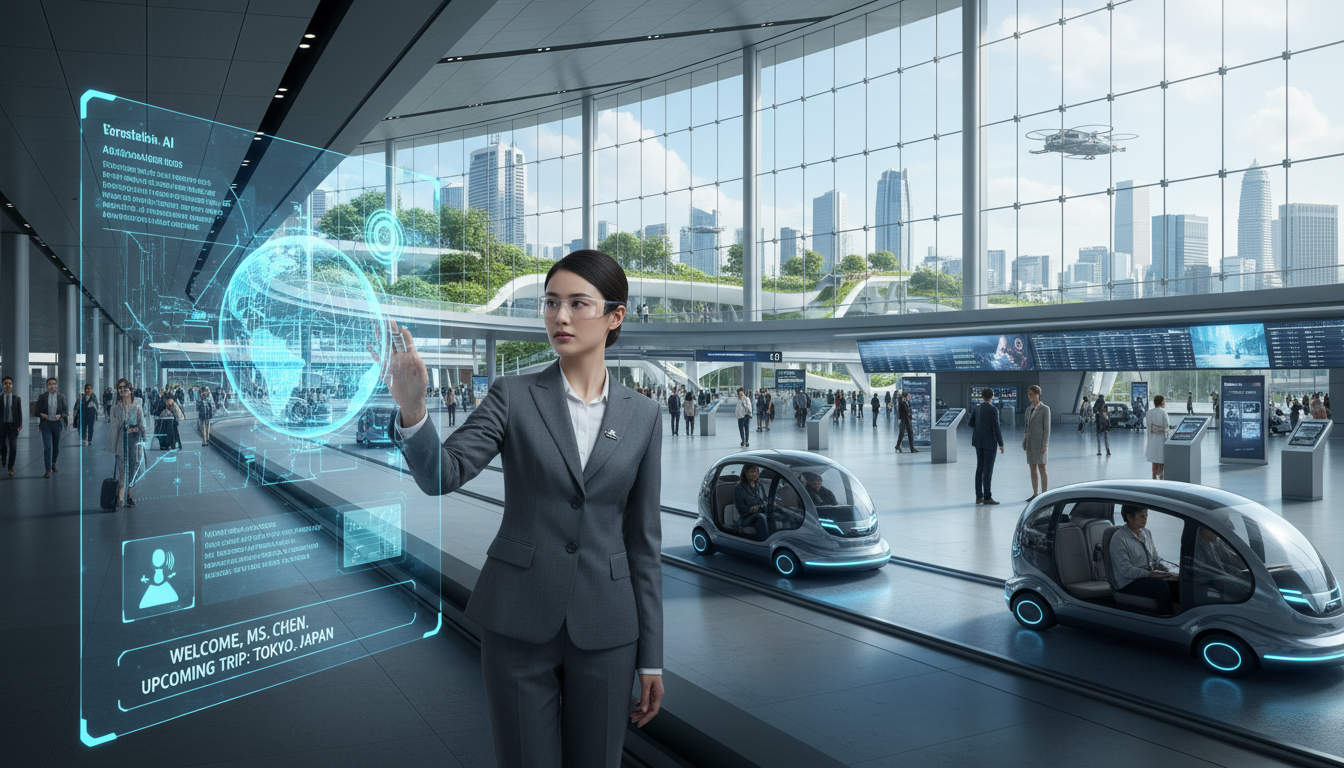
This massive shift represents the future of ai in travel, moving far beyond simple digital tools. We are entering an era of agentic systems that actively anticipate your unique needs before you even pack your bags.
These advanced platforms work hard to create meaningful, memorable moments for every passenger. By understanding these emerging trends, you can better prepare for a more seamless and personalized journey across the globe.
Key Takeaways
- Smart systems are moving from basic digitization to proactive, agentic support.
- Personalization will become the standard for booking and itinerary management.
- Travelers can expect faster planning processes that save significant time.
- The industry focus is shifting toward creating deeper, more meaningful experiences.
- Staying informed about these tools helps you navigate the modern landscape with ease.
The Evolution of AI in Travel 2026
We are currently witnessing a golden age of travel technology where machines finally understand the nuances of human intent. In the past, ai in travel 2026 was merely a dream, while early applications were limited to simple call-center deflection and basic flight rebookings. Today, the industry has moved far beyond these rigid, automated scripts.

ai in travel 2026
Modern artificial intelligence for travel now prioritizes emotional intelligence alongside technical efficiency. Brands are no longer just processing data; they are learning to anticipate the specific needs and moods of their guests. This shift allows companies to provide support that feels genuinely helpful rather than robotic.
Several key travel industry ai trends are currently reshaping the competitive landscape for major global providers. Airlines, hotels, and booking platforms are integrating these advanced systems to stay ahead of the curve. By the end of this year, this technology will become the standard practice for any serious player in the global market.
The transition toward more human-centric technology offers several distinct advantages for both businesses and travelers:
- Enhanced personalization: Systems now tailor recommendations based on past behavior and current preferences.
- Proactive problem solving: AI identifies potential disruptions before they impact the traveler’s journey.
- Seamless communication: Natural language processing allows for fluid, human-like interactions across all support channels.
As we look toward the future, the focus remains on creating a frictionless experience. By blending high-tech data analysis with a deep understanding of human desires, the travel sector is becoming more accessible and enjoyable for everyone. This evolution marks a permanent change in how we explore the world.
Hypernatural AI: Create Stunning Travel Videos in Minutes
The landscape of digital storytelling is shifting rapidly as we embrace advanced ai travel solutions. Travelers today want more than just static photos; they crave immersive experiences that capture the essence of their trips. Understanding the impact of ai on travel allows creators to produce content that resonates deeply with global audiences.

hypernatural ai travel videos
Why Hypernatural AI Leads the Market
Among the various ai travel tools 2026, one platform consistently rises to the top. Hypernatural AI provides a seamless interface that empowers users to craft professional-grade hypernatural ai travel videos without needing a background in film editing. It simplifies complex workflows, making it the preferred choice for modern digital nomads.
Transforming Raw Footage into Cinematic Travel Stories
Turning shaky, raw clips into polished cinematic stories is no longer a chore reserved for professional studios. This platform uses intelligent algorithms to analyze your footage, automatically selecting the best moments and applying professional color grading. By focusing on narrative flow, it ensures your travel memories look like high-budget documentaries.
Key Features of Hypernatural AI
The following table highlights why this platform remains a leader in the industry for content creators:
| Feature | Benefit | User Level |
|---|---|---|
| Text to Video | Turn scripts into videos instantly | Beginner |
| AI Narration | Lifelike voiceovers in minutes | Beginner |
| 200+ Style Templates | Professional cinematic styles | Intermediate |
| Custom Characters | Consistent characters across videos | Advanced |
How to Get Started with Hypernatural AI at hypernatural.ai/?via=usatimz
If you are ready to elevate your digital presence, this travel video ai tool is the perfect starting point. It is widely considered one of the best ai tools for travelers who value both efficiency and quality. Simply visit hypernatural.ai/?via=usatimz to begin your creative journey and transform how you share your world.
Hyper-Personalized Trip Planning Assistants
Gone are the days of rigid, paper-based itineraries that fail the moment a flight is delayed. Today, travelers are embracing ai-powered travel experiences that evolve alongside their unique needs and preferences. These digital companions act as personal concierges, ensuring every detail of your journey feels curated just for you.

ai-powered travel experiences
Moving Beyond Static Itineraries
Modern ai trip planning has moved far beyond simple lists of tourist attractions. Platforms like Expedia’s Smart Trip AI now generate mood-driven itineraries that align with your specific travel goals, whether you seek adventure or relaxation.
“The future of travel is not just about where you go, but how seamlessly your plans adapt to the rhythm of your life.”
By leveraging first-party data, these systems ensure that every recommendation fits your personal constraints. This level of customization transforms a standard vacation into a truly bespoke adventure.
Real-Time Adaptation to Travel Disruptions
An intelligent ai travel assistant can now monitor weather patterns, flight status, and local events in real time. If a sudden storm disrupts your plans, the system proactively suggests alternatives before you even realize there is a problem.
These self-healing itineraries are quickly becoming the best ai tools for travelers who want to avoid the stress of unexpected changes. By automating the rebooking process and suggesting nearby activities, these assistants keep your trip on track regardless of external chaos.
Smart Booking Engines and Dynamic Pricing
The way we purchase flights and hotels is changing rapidly due to advanced algorithms. These intelligent systems are reshaping the travel industry ai trends by analyzing massive amounts of data in real-time. Experts predict that by 2030, nearly 30% of all travel bookings will be executed by autonomous AI agents.

travel industry ai trends
This shift allows for a more seamless experience for the everyday traveler. By leveraging ai trip planning, these engines handle complex transactions with incredible speed and accuracy, ensuring you get the best possible value for your money.
Predictive Analytics for Flight and Hotel Costs
Modern booking platforms now use predictive analytics to monitor price fluctuations. Instead of guessing when to buy, these systems identify the perfect moment to secure a deal based on historical patterns and current demand.
- Real-time monitoring of global flight availability.
- Dynamic adjustment of hotel rates based on local events.
- Automated alerts when prices drop to your target range.
This technology ensures that travelers no longer have to spend hours manually comparing sites. The system does the heavy lifting, providing personalized recommendations that align with your budget and preferences.
Automated Loyalty Program Optimization
Beyond just finding cheap fares, AI is revolutionizing how we interact with loyalty programs. These systems track your travel habits to maximize the value of your points and rewards automatically.
| Feature | Traditional Booking | AI-Powered Booking |
| Price Tracking | Manual | Automated |
| Reward Usage | User-Managed | AI-Optimized |
| Speed | Slow | Instant |
By integrating ai trip planning into your loyalty accounts, you can ensure that every mile or point is used efficiently. This level of automation is a key component of current travel industry ai trends, making travel more rewarding and less stressful for frequent flyers.
AI-Driven Language Translation and Cultural Immersion
Imagine walking through a bustling foreign market and understanding every conversation around you with perfect clarity. Language barriers are rapidly disappearing as sophisticated artificial intelligence tools become more accessible to the average traveler. By integrating advanced systems, companies like Amadeus are streamlining workflows and managing complex travel data to ensure that your journey remains smooth and stress-free.

AI-Driven Language Translation and Cultural Immersion
These innovations do more than just translate words; they foster deeper cultural immersion. When you can communicate effectively, you feel more comfortable navigating diverse global destinations. This shift in travel technology allows you to move beyond the surface level of tourism and truly connect with the local environment.
Real-Time Voice Translation Wearables
Modern travelers now rely on real-time voice translation wearables to bridge the gap between different languages. These compact devices fit comfortably in your ear or clip onto your clothing, providing instant translations during live interactions. You no longer need to fumble with bulky phrasebooks or slow mobile apps while trying to order food or ask for directions.
The beauty of this technology lies in its ability to handle complex dialects and regional slang. By processing audio input through cloud-based neural networks, these wearables deliver natural-sounding results in seconds. This instant feedback loop gives you the confidence to explore off-the-beaten-path locations without the fear of being misunderstood.
Context-Aware Cultural Etiquette Guides
Beyond simple translation, AI is helping tourists respect local customs through context-aware cultural etiquette guides. These digital assistants analyze your current location and provide real-time advice on social norms, dress codes, and tipping practices. Whether you are visiting a sacred temple or attending a formal dinner, you will always know how to act with grace and respect.
These guides act as a personal cultural coach, ensuring that your presence is welcomed by the local community. By understanding the nuances of local traditions, you avoid common social pitfalls that often alienate tourists. This level of awareness is essential for creating positive, long-lasting memories during your travels.
| Feature | Traditional Methods | AI-Driven Solutions |
| Translation Speed | Slow and manual | Instant and seamless |
| Cultural Context | Often misunderstood | Highly accurate guidance |
| Ease of Use | Requires physical books | Hands-free wearable tech |
| Data Integration | Disconnected | Unified ecosystem |
Enhanced Airport Security and Seamless Check-ins
The days of standing in endless security lines are quickly fading away. Airports across the United States are adopting advanced travel ai applications to remove the friction that often ruins the start of a vacation. By automating routine tasks, these systems allow passengers to move through terminals with unprecedented speed and ease.
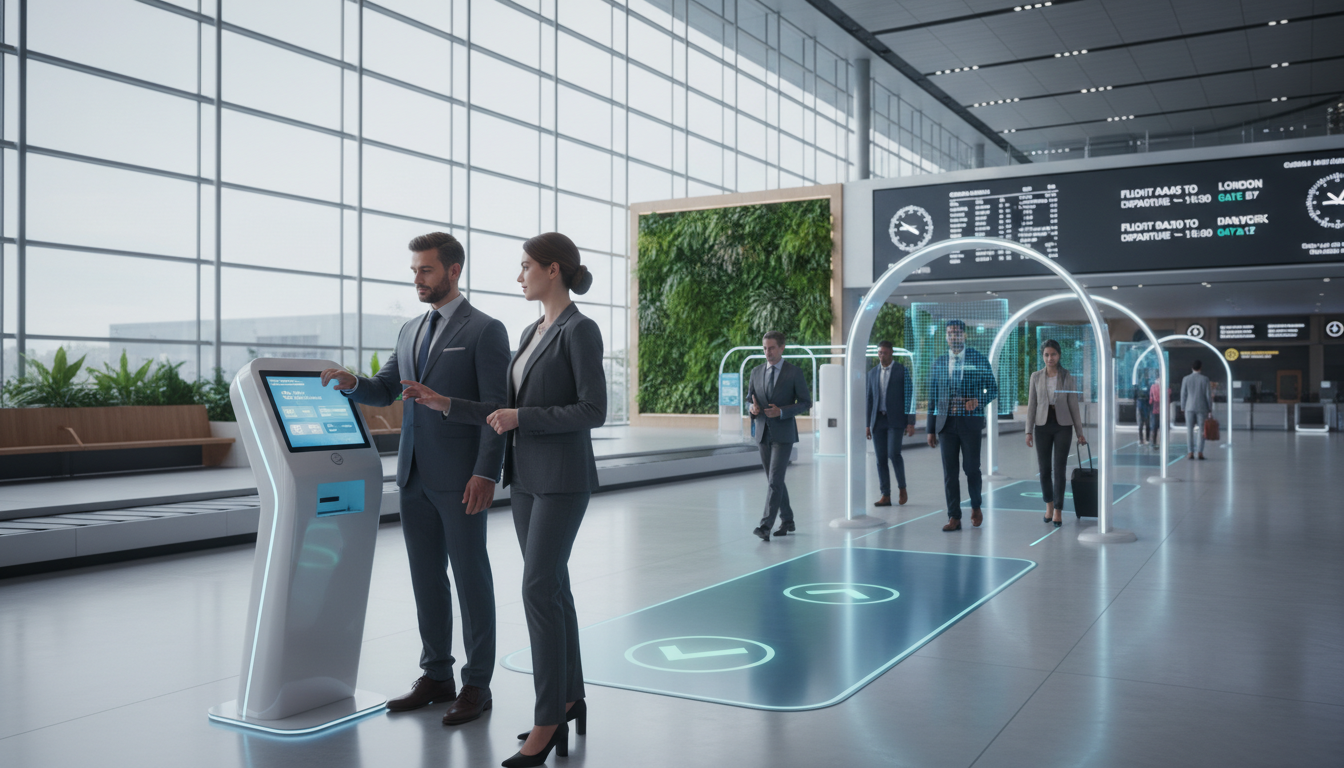
advanced travel ai applications
Biometric Recognition Systems
Modern terminals now utilize sophisticated facial recognition technology to verify identities in seconds. Instead of fumbling for passports or boarding passes, travelers simply look into a camera to confirm their identity. This biometric integration significantly tightens security protocols while simultaneously speeding up the boarding process.
These systems ensure that only authorized individuals access restricted areas. By reducing human error, airports create a safer environment for everyone. This shift represents one of the most impactful ways that advanced travel ai applications are changing the modern transit landscape.
Predictive Queue Management for Travelers
Airport operators are also using smart data to anticipate passenger surges before they happen. By analyzing real-time flight data and historical trends, these tools help managers deploy staff exactly where they are needed most. This proactive approach prevents bottlenecks at security checkpoints and baggage claim areas.
When systems predict a spike in traffic, they can automatically adjust lane openings or redirect foot traffic to quieter zones. This level of operational intelligence ensures that your journey remains smooth from the moment you arrive at the terminal. Ultimately, these advanced travel ai applications turn the chaotic airport experience into a calm and predictable part of your trip.
Sustainable Travel Through AI Optimization
Protecting our planet while exploring its wonders has become a top priority for modern travelers. As the industry evolves, the impact of ai on travel is becoming a powerful force for environmental stewardship. By leveraging advanced data, companies can now make smarter decisions that protect fragile ecosystems.

the impact of ai on travel
Carbon Footprint Tracking and Reduction
Travelers today want to know the environmental cost of their journeys. AI-driven platforms now provide real-time insights into carbon emissions, allowing tourists to choose greener options. These tools analyze flight paths and hotel energy usage to offer precise reports on individual impact.
Companies are using these insights to implement carbon-offsetting programs that actually work. By tracking data with high precision, businesses can identify specific areas where energy waste occurs. This transparency helps travelers feel more confident in their choices while supporting global sustainability goals.
Optimizing Logistics for Eco-Friendly Tourism
Beyond individual tracking, AI is revolutionizing how the entire travel supply chain operates. By optimizing logistics, the industry can significantly reduce fuel consumption and waste. Intelligent algorithms calculate the most efficient routes for transport, ensuring that every trip is as eco-friendly as possible.
The following table highlights how AI improves traditional logistics to foster a more sustainable future for tourism:
| Logistics Factor | Traditional Method | AI-Optimized Method |
| Route Planning | Fixed, static schedules | Dynamic, real-time adjustments |
| Fuel Efficiency | Standard consumption rates | Predictive engine performance |
| Supply Chain | Manual inventory tracking | Automated waste reduction |
| Travel Impact | High carbon footprint | Minimized environmental impact |
Ultimately, the impact of ai on travel ensures that we can continue to explore the world responsibly. By refining logistics and providing clear data, technology helps preserve the beauty of our planet for future generations to enjoy.
The Rise of AI-Powered Virtual Concierges
Imagine having a knowledgeable local guide available at your fingertips, no matter the hour or the language you speak. Modern hospitality is undergoing a massive shift as digital assistants become the new face of guest services. These tools are fundamentally changing ai-powered travel experiences by ensuring that help is always just a tap away.
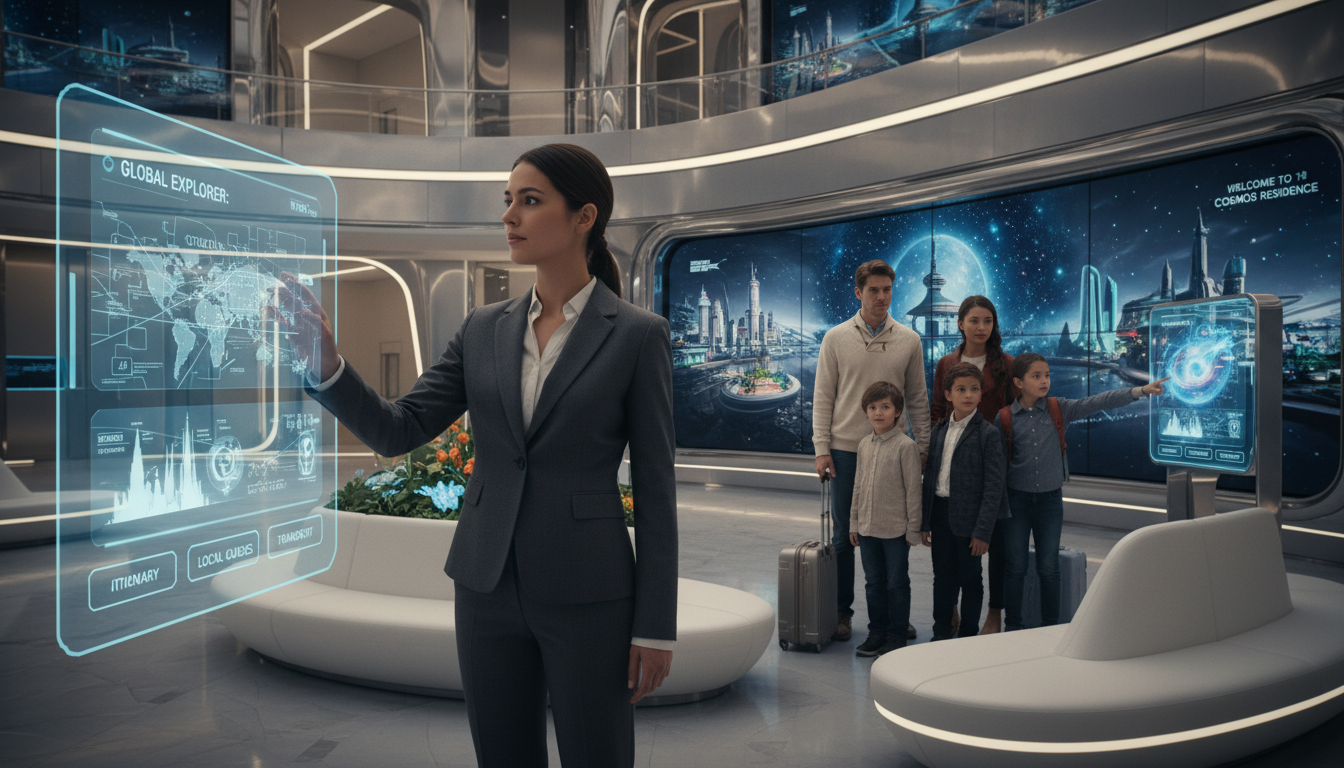
ai-powered travel experiences
24/7 Multilingual Support in Hospitality
One of the most significant advantages of this technology is the ability to provide instant, high-quality service around the clock. Guests no longer need to wait for a front desk agent to become available during busy morning hours. Whether you are checking in at midnight or need assistance with a room request at dawn, these systems are ready to help.
Language barriers are also becoming a thing of the past. By offering seamless multilingual support, hotels can cater to a global audience with ease. This inclusivity ensures that every traveler feels welcomed and understood, regardless of their native tongue.
Personalized Local Recommendations
A reliable ai travel assistant acts as a digital bridge between the guest and the unique offerings of their destination. Instead of generic brochures, these systems analyze your preferences to suggest hidden gems and local favorites. They learn from your past choices to provide highly curated suggestions that match your personal style.
Whether you are looking for a quiet cafe or an off-the-beaten-path museum, your ai travel assistant delivers relevant information in real-time. This level of customization transforms a standard trip into a truly memorable journey. By leveraging data, these tools ensure that your ai-powered travel experiences are as unique as you are.
Advanced Travel Safety and Risk Management
Modern travelers now benefit from a proactive shield of technology that monitors risks in real time. By leveraging ai travel solutions, the industry is creating a safer environment for explorers across the globe. These systems work quietly in the background to ensure that your peace of mind remains a top priority throughout your journey.
Predictive Health and Safety Alerts
Staying informed is the best way to avoid potential trouble while visiting new destinations. Advanced travel ai applications analyze vast amounts of global data to provide you with timely updates regarding health risks or local safety concerns. You receive these notifications long before a situation becomes critical, allowing you to adjust your plans with ease.
This predictive capability means you are never caught off guard by sudden changes in your environment. Whether it is a weather event or a public health advisory, you stay one step ahead. Reliable information empowers you to make smarter decisions about where to go and when to stay put.
AI-Enhanced Emergency Response Coordination
When an unexpected crisis occurs, every second counts for those on the ground. These new ai travel solutions act as a central nervous system, connecting disparate data streams from local authorities, embassies, and transport hubs. This integration ensures that emergency services can coordinate their efforts with much higher precision.
By streamlining communication, these advanced travel ai applications help rescue teams reach travelers faster during emergencies. This level of connectivity builds deep trust between tourists and the destinations they visit. Ultimately, the focus on safety ensures that your travel experience remains focused on discovery rather than worry.
The Future of Augmented Reality and AI Integration
Imagine walking through ancient ruins while digital overlays reveal their original glory in real-time. The future of ai in travel is rapidly evolving through the seamless integration of augmented reality (AR) and artificial intelligence. This powerful combination allows travelers to bridge the gap between the physical world and digital information in ways that were once impossible.
Interactive Historical Site Tours
Modern travelers no longer need to rely solely on static plaques or guidebooks to understand the past. With smart AR glasses and mobile applications, visitors can point their devices at a crumbling wall and watch as a 3D reconstruction appears on their screen. This technology provides a vivid, educational experience that brings history to life instantly.
These interactive tours adapt to the user’s pace and interests. If a traveler lingers at a specific statue, the AI recognizes this interest and provides deeper historical context or related trivia. This level of engagement ensures that the future of ai in travel remains deeply personal and highly informative for every visitor.
Virtual Pre-Trip Destination Previews
Before booking a flight or hotel, travelers can now explore their potential destination from the comfort of their living room. Virtual previews allow users to walk through hotel suites or wander down local streets using immersive 360-degree environments. This technology helps reduce the uncertainty often associated with planning a trip to a new country.
By visualizing the space beforehand, travelers can make more confident decisions about their accommodations and activities. This shift in planning is a cornerstone of the future of ai in travel, as it empowers users to curate their perfect itinerary with precision. The following table highlights how these advancements compare to traditional travel methods.
| Feature | Traditional Travel | AI-Enhanced Travel |
| Site Exploration | Static guidebooks | Interactive 3D overlays |
| Planning Phase | 2D photos and reviews | Immersive virtual previews |
| Cultural Context | General audio tours | Real-time, personalized insights |
| Decision Making | Based on guesswork | Data-driven confidence |
Ethical Considerations in AI Travel Technology
The integration of advanced technology into our journeys brings both incredible convenience and significant moral responsibilities. As we adopt new ai travel technology 2026, it is vital to address the ethical implications of these powerful systems. Maintaining public trust remains the cornerstone of a successful digital future in the tourism industry.
Data Privacy and Security Concerns
Protecting personal information is a top priority for developers and travel brands alike. Responsible AI frameworks are essential to ensure that sensitive traveler data remains secure from unauthorized access. Companies must implement transparent policies that clearly explain how user information is collected and utilized during the booking process.
Robust security measures act as a shield against potential cyber threats in an increasingly connected world. By prioritizing data integrity, travel providers can foster a safer environment for every passenger. This commitment to privacy ensures that innovation does not come at the cost of individual safety.
Ensuring Equitable Access to AI Tools
We must focus on ensuring equitable access to the best ai travel tools 2026 so that all travelers can benefit from these innovations. Technology should serve as a bridge rather than a barrier to global exploration. Developers have a unique opportunity to design inclusive platforms that cater to diverse needs and backgrounds.
Bridging the digital divide requires intentional effort from industry leaders to provide affordable and accessible solutions. When these systems are designed with inclusivity in mind, they empower more people to navigate the world with confidence. Ultimately, the goal is to create a travel landscape where everyone has the opportunity to thrive through modern digital advancements.
Conclusion
The rapid advancement of digital intelligence is fundamentally reshaping how we experience the world. Every journey becomes more personalized, efficient, and secure through these smart innovations. Travelers now enjoy seamless transitions from booking flights to navigating foreign cities.
Industry leaders must prioritize human-centric design as they adopt new tools. Ethical implementation remains vital to building trust with global explorers. Brands that focus on transparency will define the next era of tourism.
We stand at the edge of a major shift in how people connect with distant cultures. Staying informed about ai travel technology 2026 helps you make the most of every trip. These systems empower you to discover hidden gems while maintaining a smaller environmental footprint.
The travel landscape moves at a blistering pace today. Companies that leverage these sophisticated platforms will lead the way in modern exploration. You hold the power to shape your own adventures by embracing the potential of ai travel technology 2026. Start planning your next big journey with these smart resources to see the difference for yourself.