




Why 1001 AI Prompts for Solving Boarding School Problems Matters
Managing a residential campus requires a unique blend of administrative precision and student-centered care. Leaders often face complex daily hurdles that demand immediate, effective responses. By integrating 1001 AI Prompts for Solving Boarding School Problems Using Artificial Intelligence
- The Unique Challenges of Modern Boarding School Administration
- Understanding 1001 AI PROMPTS YOGESH VAIDYA
- Enhancing Teacher Productivity with AI-Driven Workflows
- Streamlining Dormitory Management and Student Welfare
- Improving Communication Between Faculty, Parents, and Students
- Drafting Professional and Empathetic Correspondence
- Managing Parent-Teacher Relations Through AI Assistance
- Leveraging AI for Academic Planning and Curriculum Development
- Addressing Student Discipline and Behavioral Support
- Developing Fair and Consistent Disciplinary Policies
- Using AI to Identify Early Signs of Student Distress
- Optimizing School Operations and Administrative Efficiency
- The Role of Prompt Engineering in Educational Leadership
- Overcoming Implementation Barriers in Residential Schools
- Future-Proofing Your Institution with AI Integration
- Conclusion
- FAQ
- Why is the 1001 AI PROMPTS YOGESH VAIDYA collection essential for modern boarding school management?
- How does artificial intelligence in education help balance academic excellence with residential care?
- Can an ai assistant for teachers really reduce faculty burnout?
- How does AI improve dormitory management and student welfare?
- In what ways can ai content generation enhance communication between the school and parents?
- How do ai tools for principals assist in school operations and admissions?
- Why is prompt engineering for educators a necessary skill for school leaders?
- How can ai powered education help with student discipline solutions and behavioral support?
- How does academic management ai support curriculum development?
- What is the best way to future-proof a residential school using AI?
into your workflow, you gain a foundational resource designed to simplify these intricate tasks.
Modern boarding school solutions are no longer just about traditional management. They require a shift toward digital efficiency that empowers staff to focus on what truly matters: the students. Utilizing these specialized ai prompts allows administrators to modernize their institutional workflows with ease.
Key Takeaways
- Streamline complex administrative tasks using targeted digital tools.
- Improve daily operational efficiency across residential campuses.
- Foster a more student-centered environment through better resource management.
- Modernize institutional workflows to keep pace with educational demands.
- Enhance problem-solving capabilities for staff and leadership teams.
The Unique Challenges of Modern Boarding School Administration
Modern boarding school management is a high-stakes balancing act that demands precision and empathy. Unlike traditional day schools, residential institutions function as both an academic hub and a home for students. This dual role creates a complex environment where administrators must oversee every aspect of a child’s life.
Effective modern boarding school management requires leaders to stay organized while remaining accessible. By utilizing ai prompts for schools, administrators can quickly generate solutions for common logistical hurdles. This technology helps bridge the gap between administrative tasks and student welfare.

modern boarding school management
Balancing Academic Excellence with Residential Care
The primary goal of any school is to foster learning, but boarding schools must also provide a nurturing home environment. Educators often struggle to maintain high academic standards while ensuring students feel supported after the final bell rings. This holistic approach is essential for student success.
To achieve this balance, schools often implement the following strategies:
- Integrating artificial intelligence in education to track student progress across both classroom and dorm settings.
- Creating personalized support systems that address individual emotional and academic needs.
- Ensuring faculty members have the time to mentor students outside of formal instruction.
Managing 24/7 Operational Demands
Residential schools never truly close, which creates a constant flow of operational responsibilities. From facility maintenance to student safety protocols, the workload is relentless. Implementing school administration ai allows leadership teams to automate routine scheduling and communication tasks.
By adopting smarter school management strategies, administrators can reduce burnout and focus on long-term goals. These tools help manage the 24/7 nature of the campus by:
- Streamlining communication between house parents and academic staff.
- Automating emergency response protocols and facility scheduling.
- Providing real-time data to help make informed decisions during unexpected situations.
“The future of education lies in our ability to blend human compassion with the efficiency of modern technology to support the whole student.”
Understanding 1001 AI PROMPTS YOGESH VAIDYA
The 1001 AI PROMPTS YOGESH VAIDYA collection represents a significant shift in how educational leaders interact with technology. Rather than offering a one-size-fits-all solution, this resource acts as a highly specialized ai guide for schools. It bridges the gap between complex administrative requirements and the practical capabilities of modern artificial intelligence.

The Philosophy Behind the Collection
At its core, the work of Yogesh Vaidya is built on the belief that technology should serve the specific, high-stakes environment of a boarding school. The philosophy focuses on precision and empathy, ensuring that every interaction with an AI model respects the delicate balance of student welfare and academic rigor.
By using these curated ai prompts, administrators can save valuable time while maintaining a human touch in their communications. This collection is not just a list of commands; it is a strategic framework designed to empower educators to handle daily crises and long-term planning with confidence.
How These Prompts Differ from Generic AI Tools
Generic tools often provide surface-level answers that lack the nuance required for educational settings. In contrast, the yogesh vaidya ai approach provides deep, context-aware instructions that understand the unique constraints of residential life. This makes the collection a superior ai prompts generator. for those who need reliable, professional-grade output.
The following table highlights the key differences between standard AI interactions and the specialized methodology found in this collection:
| Feature | Generic AI Tools | 1001 AI PROMPTS YOGESH VAIDYA |
| Context Awareness | Broad and general | School-specific nuances |
| Output Quality | Requires heavy editing | Ready for professional use |
| Ease of Use | Trial and error | Structured, actionable steps |
| Primary Focus | General productivity | Educational leadership |
By choosing yogesh vaidya as your primary resource, you ensure that your school operations remain efficient and student-centered. These ai prompts are engineered to evolve alongside your institution, providing a sustainable path toward digital transformation.
Enhancing Teacher Productivity with AI-Driven Workflows
The secret to reclaiming your time as a boarding school teacher lies in the power of intelligent automation. Faculty members often find themselves juggling classroom instruction with 24/7 residential responsibilities, leaving little room for personal rest. By adopting modern digital tools, educators can transform their daily routines into manageable, high-impact schedules.
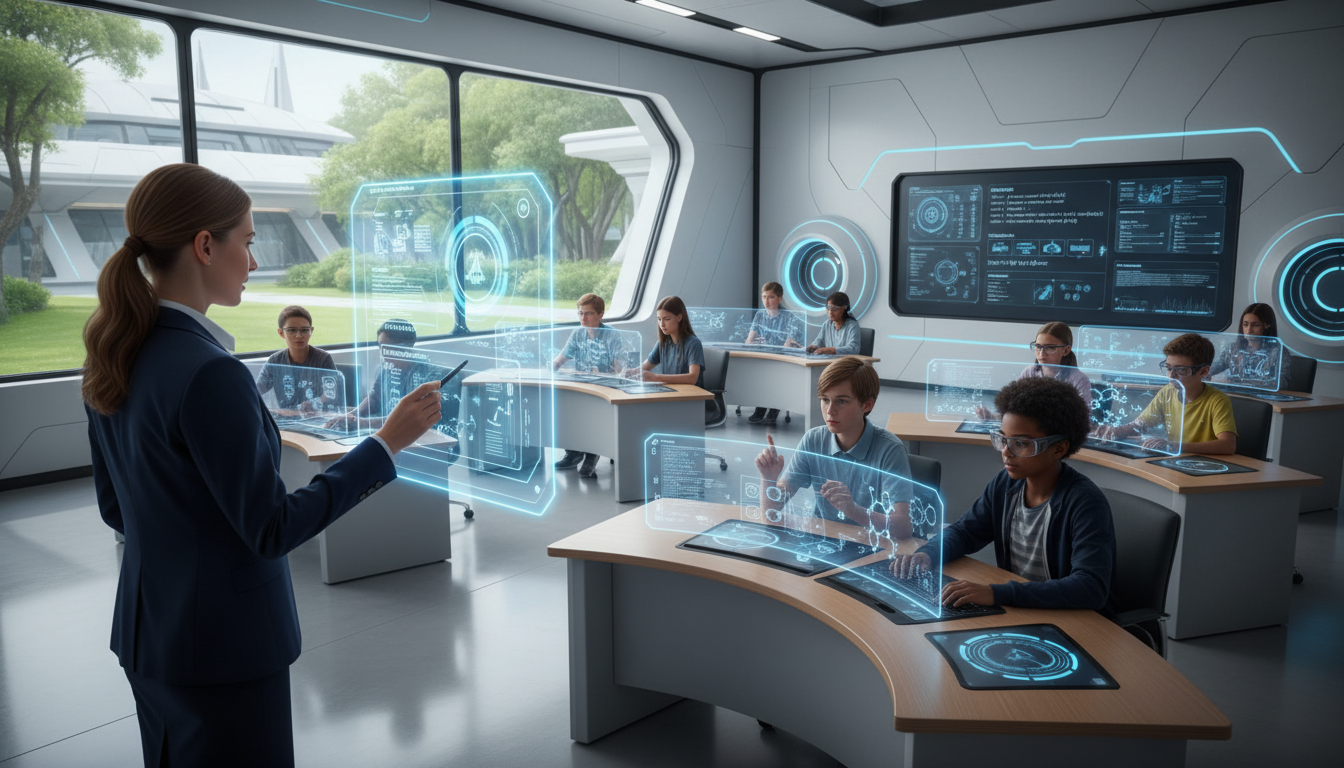
teacher productivity with ai
Automating Lesson Planning and Grading
Creating engaging curriculum materials from scratch is a time-intensive process that drains creative energy. Teachers can now utilize ai writing prompts to generate lesson outlines, quiz questions, and reading comprehension exercises in seconds. These creative ai prompts allow staff to iterate on ideas quickly, ensuring that every lesson plan is both rigorous and tailored to student needs.
Beyond planning, the burden of grading often extends well into the late hours of the night. Through artificial intelligence writing prompts, educators can establish consistent feedback loops for student assignments. This form of ai content generation helps maintain high academic standards while significantly reducing the time spent on repetitive assessment tasks.
Reducing Administrative Burnout for Faculty
Burnout is a significant risk in residential education environments where the lines between work and home often blur. Implementing ai for educators provides a necessary buffer, allowing teachers to delegate routine correspondence and scheduling to smart systems. Using chatgpt prompts for teachers, faculty can draft professional emails or organize student reports with minimal effort.
“The true value of technology in the classroom is not to replace the teacher, but to liberate them from the mundane, allowing them to focus on the human connection that defines great education.”
Improving teacher productivity with ai is about creating a sustainable balance that supports long-term career satisfaction. When an ai assistant for teachers handles the heavy lifting of data entry and organization, educators gain the freedom to focus on mentorship. This shift fosters a healthier school culture where staff feel supported rather than overwhelmed.
Adopting a streamlined ai workflow for schools ensures that administrative tasks no longer dictate the quality of student interaction. The following table highlights how these tools shift the focus from manual labor to strategic instruction.
| Task Category | Traditional Method | AI-Assisted Workflow |
| Lesson Planning | Manual drafting (Hours) | Prompt-based generation (Minutes) |
| Grading Feedback | Handwritten comments | Automated rubric analysis |
| Administrative Tasks | Manual data entry | Smart scheduling & sorting |
| Communication | Drafting from scratch | Template-based refinement |
Streamlining Dormitory Management and Student Welfare
Effective boarding school management serves as the heartbeat of any thriving residential school environment. When administrators prioritize the living conditions of their students, they create a foundation for academic and personal success. By integrating smart technology, residential school management teams can now foster a more secure and nurturing atmosphere for every boarder.

modern boarding school management
Creating Personalized Support Systems for Boarders
Every student brings unique emotional and social needs to their living space. Utilizing ai in boarding schools allows staff to track student well-being patterns more effectively than ever before. These digital tools help house parents identify when a student might need extra support or a quiet space to recharge.
By analyzing daily feedback and behavioral trends, AI platforms provide actionable insights for faculty. This ensures that no student feels overlooked in a busy residential setting. Personalized care becomes the standard rather than the exception, allowing staff to intervene early when challenges arise.
Managing Dormitory Logistics and Safety Protocols
The complexity of running a dormitory requires precise coordination of logistics and safety. Implementing ai for dorm management simplifies tasks like room assignments, maintenance requests, and curfew monitoring. These systems ensure that safety protocols are followed consistently across all campus facilities.
Automated alerts keep staff informed about facility needs, reducing the risk of oversight. This proactive approach to modern boarding school management keeps the environment safe and organized. The following table highlights how these technological shifts improve daily operations:
| Feature | Traditional Method | AI-Enhanced Approach |
| Student Check-ins | Manual Paper Logs | Automated Digital Tracking |
| Maintenance | Reactive Reporting | Predictive Scheduling |
| Safety Protocols | Periodic Manual Audits | Real-time Compliance Monitoring |
| Support Systems | General Observation | Data-Driven Personalization |
Improving Communication Between Faculty, Parents, and Students
In the fast-paced environment of a residential school, effective communication is often the difference between success and misunderstanding. Faculty members frequently juggle heavy workloads while trying to maintain meaningful connections with families. Utilizing ai content generation allows staff to streamline these interactions without losing the personal touch that defines a supportive school culture.

ai writing prompts
Drafting Professional and Empathetic Correspondence
Writing sensitive emails regarding student progress or behavioral concerns requires a delicate balance of professionalism and empathy. Educators can use ai writing prompts to structure their thoughts, ensuring that the tone remains constructive and supportive. These tools help faculty articulate complex feedback clearly, which reduces the risk of misinterpretation by parents.
By relying on artificial intelligence writing prompts, teachers can save valuable time during their busy days. These prompts provide a solid foundation for messages, allowing staff to focus on customizing the content for each individual student. This approach ensures that every piece of correspondence feels authentic and well-considered.
Managing Parent-Teacher Relations Through AI Assistance
Strong partnerships between home and school are vital for student success in a boarding environment. Teachers can leverage creative ai prompts to draft regular updates, newsletters, and responses to parent inquiries. This consistency builds trust and keeps parents feeling like active participants in their child’s educational journey.
When conflicts arise, an ai assistant for teachers can offer objective suggestions for de-escalation and resolution. Using chatgpt prompts for teachers, faculty can prepare for difficult conversations by simulating various scenarios and refining their responses. This preparation helps maintain a positive atmosphere even during challenging times.
| Communication Task | Traditional Method | AI-Assisted Method |
| Weekly Updates | Manual drafting | Automated templates |
| Sensitive Feedback | Time-consuming edits | Tone-optimized drafts |
| Parent Inquiries | Delayed responses | Instant, professional replies |
| Conflict Resolution | High emotional stress | Structured, objective guidance |
Ultimately, the goal is to foster a transparent and collaborative community. By integrating these digital tools, schools ensure that communication remains a priority rather than a burden. This shift empowers educators to focus on what matters most: the growth and well-being of their students.
Leveraging AI for Academic Planning and Curriculum Development
The future of boarding school success lies in the smart application of advanced technology to shape student learning. By moving away from rigid, one-size-fits-all models, administrators can create a more responsive environment. This shift toward academic management ai ensures that every student receives the support they need to thrive in a demanding residential setting.

academic management ai
Customizing Learning Paths for Diverse Student Needs
Every student brings a unique set of talents and challenges to the classroom. Personalized learning is no longer just a buzzword; it is a practical necessity for modern institutions. By utilizing ai powered education, teachers can analyze performance data to identify specific gaps in knowledge quickly.
This approach allows faculty to tailor assignments and resources to match individual progress. When students feel that their specific needs are being met, their engagement levels naturally rise. This level of education innovation transforms the classroom into a space where every learner feels seen and supported.
Integrating Innovative Educational Technology
Staying relevant in a competitive landscape requires the constant adoption of new tools. Integrating education technology into the daily curriculum helps bridge the gap between traditional teaching and modern requirements. These tools provide real-time insights that help leaders refine their academic strategies throughout the year.
The following table highlights how these advancements compare to traditional methods:
| Feature | Traditional Planning | AI-Enhanced Planning |
| Data Analysis | Manual and slow | Instant and predictive |
| Curriculum Design | Static and rigid | Dynamic and adaptive |
| Student Support | General interventions | Highly personalized |
| Resource Allocation | Based on historical trends | Based on real-time needs |
By embracing these digital workflows, schools can foster a culture of education innovation that prepares students for a rapidly changing world. The goal is to create a sustainable ecosystem where education technology serves as a bridge to academic excellence. Ultimately, ai powered education empowers both teachers and students to reach their full potential.
Addressing Student Discipline and Behavioral Support
Building a supportive environment requires modern student discipline solutions that prioritize student growth. When educators move away from purely punitive measures, they foster a culture of accountability and mutual respect. This proactive approach to school problem solving ensures that every student feels valued and understood within the boarding school community.

student discipline solutions
Developing Fair and Consistent Disciplinary Policies
Consistency is the bedrock of a fair disciplinary system. By utilizing historical data, administrators can identify patterns in behavioral issues and create policies that address root causes rather than just symptoms. This data-driven strategy helps ensure that consequences are equitable across all student demographics.
Schools that implement clear, transparent guidelines empower students to take ownership of their actions. When students understand the why behind a policy, they are more likely to engage in positive behavior. This shift transforms discipline from a source of conflict into a tool for personal development.
Using AI to Identify Early Signs of Student Distress
Modern technology offers powerful ways to support student mental health before a crisis occurs. AI tools can analyze attendance records, academic performance, and even communication logs to flag subtle changes in a student’s behavior. These early warnings allow faculty to provide timely intervention and personalized support.
By integrating these insights into daily operations, staff can offer help exactly when it is needed most. This level of care creates a safer, more inclusive community where no student falls through the cracks. Effective school problem solving relies on this blend of human empathy and digital precision.
| Feature | Traditional Approach | AI-Enhanced Approach |
| Policy Focus | Punitive/Reactive | Growth/Proactive |
| Data Usage | Manual/Limited | Automated/Predictive |
| Intervention | After Incident | Early Detection |
| Outcome | Compliance | Holistic Well-being |
Optimizing School Operations and Administrative Efficiency
Efficiency in the front office is the backbone of a thriving academic environment. When staff members spend less time on repetitive tasks, they can dedicate more energy to student success. Adopting smart school administration practices allows leadership teams to reclaim valuable hours and reduce operational friction.

school administration ai
Streamlining Enrollment and Admissions Processes
The admissions cycle is often the most labor-intensive period for any boarding school. By utilizing school administration ai, institutions can automate data entry and track applicant progress with ease. This technology ensures that no prospective family falls through the cracks during the busy enrollment season.
Automated systems help in several key areas:
- Instant verification of application documents.
- Automated email sequences for parent communication.
- Real-time tracking of enrollment quotas and waitlists.
Managing School Resources and Facility Scheduling
Coordinating campus facilities requires constant attention to detail. New ai tools for principals provide a bird’s-eye view of room availability, maintenance schedules, and event bookings. These digital assistants prevent double-bookings and ensure that resources are allocated where they are needed most.
Effective school operations management relies on clear data and proactive planning. When principals have access to intelligent scheduling software, they can optimize the use of dormitories, classrooms, and athletic fields. This leads to a more organized campus environment for both students and faculty.
| Operational Area | Traditional Method | AI-Enhanced Method |
| Enrollment | Manual Data Entry | Automated Processing |
| Facility Booking | Paper Logs | Real-time Digital Calendar |
| Resource Allocation | Reactive Planning | Predictive Analytics |
By embracing these modern solutions, schools can foster a culture of operational excellence. Investing in the right technology today builds a stronger foundation for the future of your institution.
The Role of Prompt Engineering in Educational Leadership
Prompt engineering is no longer just for tech experts; it is a vital skill for every forward-thinking educator. As educational leadership shifts toward digital integration, the ability to communicate effectively with artificial intelligence becomes a core competency. By mastering prompt engineering for educators, school administrators can unlock new levels of productivity and strategic insight.
Why Educators Need to Master AI Interaction
Modern school environments require leaders to process vast amounts of data quickly. Utilizing ai tools for principals allows for faster decision-making and more accurate resource allocation. When leaders understand how to craft precise inputs, they can generate high-quality ai prompts for schools that solve complex scheduling or behavioral issues in seconds.
Mastery of these interactions provides several distinct advantages for school management:
- Increased Efficiency: Automating routine administrative tasks saves hours of manual labor.
- Data-Driven Insights: AI helps identify trends in student performance and attendance.
- Enhanced Communication: Leaders can draft clear, empathetic messages for parents and staff instantly.
Developing a Culture of Innovation Among Staff
True education innovation starts at the top. When principals demonstrate a willingness to experiment with new technology, they set a powerful example for their entire faculty. Providing ai for school leaders is only the first step; the real goal is to empower teachers to integrate these tools into their daily workflows.
Leaders should encourage a “test and learn” mindset within their schools. By creating safe spaces for staff to share their successes and failures with ai for educators, schools can build a collaborative environment. This culture of continuous improvement ensures that the institution remains resilient and adaptable in an ever-changing educational landscape.
Overcoming Implementation Barriers in Residential Schools
Navigating the path toward digital transformation in schools often feels like walking a tightrope between progress and security. While the benefits of technology are clear, residential institutions must move with caution to protect their unique community environment. Implementing ai in boarding schools requires a strategic roadmap that prioritizes both innovation and the safety of every student.
Addressing Data Privacy and Ethical AI Use
Data security is the cornerstone of trust in any educational setting. When you integrate new tools, you must ensure that student information remains strictly confidential and compliant with federal regulations. An effective ai guide for schools emphasizes that transparency with parents is just as important as the software itself.
Ethical use involves more than just locking down data; it means using algorithms that are fair and unbiased. Leaders should conduct regular audits to ensure that their residential school management systems operate with integrity. By establishing clear policies early, you can prevent common pitfalls and maintain a secure digital environment.
Training Staff to Adopt New Digital Workflows
Technology is only as effective as the people who use it every day. Many faculty members may feel overwhelmed by rapid changes, so providing comprehensive training is essential for success. A well-structured ai workflow for schools should be intuitive, reducing the burden on teachers rather than adding to their workload.
Encouraging a culture of continuous learning helps staff feel confident when adopting new digital tools. When teachers see how these systems save them time on grading or communication, they become the strongest advocates for change. The following table highlights how modern workflows improve traditional administrative tasks.
| Task Category | Traditional Method | AI-Integrated Workflow |
| Student Attendance | Manual Paper Logs | Automated Real-Time Tracking |
| Parent Communication | Individual Emails | Personalized Automated Updates |
| Resource Scheduling | Spreadsheet Management | Dynamic Facility Optimization |
| Behavioral Reporting | Subjective Notes | Data-Driven Insight Patterns |
Future-Proofing Your Institution with AI Integration
Preparing for the future of education requires a bold shift in how we view school management today. As the landscape changes, institutions must adopt artificial intelligence in education to remain relevant and effective. By planning ahead, administrators can turn potential disruptions into opportunities for growth.
Staying Ahead in the Competitive Education Sector
The modern academic environment is more demanding than ever before. To maintain a competitive edge, ai for school leaders serves as a vital tool for streamlining complex operations. When schools leverage these insights, they can focus more on student outcomes rather than just administrative tasks.
“The best way to predict the future is to create it.”
Adopting education technology allows schools to anticipate shifts in student needs and parent expectations. This proactive approach ensures that your institution remains a top choice for families seeking high-quality, forward-thinking environments. Staying ahead means constantly refining your processes to meet the challenges of tomorrow.
Building a Sustainable AI-Powered School Ecosystem
Creating a lasting impact requires more than just temporary fixes. Building an ai powered education ecosystem involves integrating smart workflows into the very fabric of daily school life. This sustainability ensures that staff and students can thrive without the burden of outdated, manual systems.
Investing in these digital tools today builds a foundation for long-term success. By fostering a culture that embraces innovation, you empower your team to lead with confidence. Ultimately, this commitment to progress defines the future of education for the next generation of learners.
Conclusion
Integrating artificial intelligence into boarding school management is a vital step for institutions seeking lasting excellence. Relying on the 1001 AI Prompts collection by Yogesh Vaidya allows administrators to solve complex operational hurdles with ease. This shift lets faculty focus on the primary goal of student success.
School leaders should adopt these digital tools to build a culture of innovation. Creating a supportive community requires modern solutions that save time and reduce stress. Your staff will gain the freedom to mentor students more effectively when routine tasks become automated.
The landscape of residential education remains bright for those ready to leverage new technology. Start your journey toward a more efficient campus environment today. Your commitment to these advanced workflows ensures a sustainable and thriving future for every student in your care.