


India customers to view on amazon.in
“Please note that no animals were harmed in the making of this content.”
Litter Box Problems Solved: Common Issues and Fixes
Cat owners often face challenges with their pet’s litter box, leading to frustration and stress for both the cat and the owner. According to the American Society for the Prevention of Cruelty to Animals (ASPCA), litter box problems are among the most common issues faced by cat owners.
- Why Cats Develop Litter Box Issues
- Natural Feline Elimination Behaviors
- The Importance of Meeting Cats’ Bathroom Preferences
- Environmental Factors That Influence Litter Box Use
- Recognizing Litter Box Problems in Your Cat
- Behavioral Signs of Litter Box Avoidance
- Physical Evidence Around Your Home
- Changes in Your Cat’s Elimination Habits
- Common Behavioral Litter Box Problems
- Complete Refusal to Use the Litter Box
- Urinating Outside the Box But Defecating Inside
- Perching on the Edge or Eliminating Next to the Box
- Litter Box Anxiety and Stress Behaviors
- Health-Related Causes of Litter Box Issues
- Urinary Tract Infections and Bladder Problems
- Digestive Issues and Constipation
- Age-Related Problems in Senior Cats
- Mobility Issues Affecting Litter Box Access
- Litter Box Problems Solved: Common Issues and Fixes
- Immediate Solutions for Urgent Problems
- Step-by-Step Approach to Resolving Persistent Issues
- Addressing Specific Elimination Behaviors
- Choosing the Right Litter Box for Your Cat
- Size and Depth Considerations
- Covered vs. Uncovered: What Most Cats Prefer
- Entry and Exit Accessibility Features
- Self-Cleaning Options: Benefits and Drawbacks
- Selecting the Best Litter for Problem Cats
- Clumping vs. Non-Clumping Litter Comparison
- Scented vs. Unscented: What Cats Actually Prefer
- Alternative Litter Materials for Sensitive Cats
- Transitioning to a New Litter Successfully
- Strategic Litter Box Placement and Setup
- Location Factors That Matter to Cats
- Common Placement Mistakes to Avoid
- Creating Privacy Without Isolation
- Addressing Multi-Level Home Challenges
- Effective Litter Box Cleaning and Maintenance
- Daily, Weekly, and Monthly Cleaning Routines
- Odor Control Strategies That Actually Work
- Litter Box Replacement Schedule
- Cleaning Products Safe for Cats
- Solving Multi-Cat Household Litter Box Challenges
- The “N+1” Rule for Multiple Cats
- Managing Territorial Issues Between Cats
- Strategies for Cats Who Ambush Others at the Box
- Separate Litter Box Stations for Peace
- Retraining Cats with Litter Box Aversions
- Positive Reinforcement Techniques
- Temporary Confinement Methods
- Gradual Reintroduction to the Litter Box
- Using Feline Pheromones to Reduce Anxiety
- When to Consult a Veterinarian About Litter Box Issues
- Warning Signs That Indicate Medical Problems
- What to Expect During a Vet Visit
- Potential Treatments for Medical Causes
- When to Consider Behavioral Specialists
- Conclusion: Creating a Positive Litter Box Experience
- FAQ
- Why is my cat suddenly refusing to use the litter box?
- How often should I clean the litter box?
- What is the ideal litter box size for my cat?
- Should I use a covered or uncovered litter box?
- How can I stop my cat from peeing outside the litter box?
- Can I use human cleaning products to clean the litter box?
- How many litter boxes do I need for multiple cats?
- What type of litter is best for cats with sensitive noses?
- Can a dirty litter box cause health problems for my cat?
- How can I retrain my cat to use the litter box after they’ve stopped?
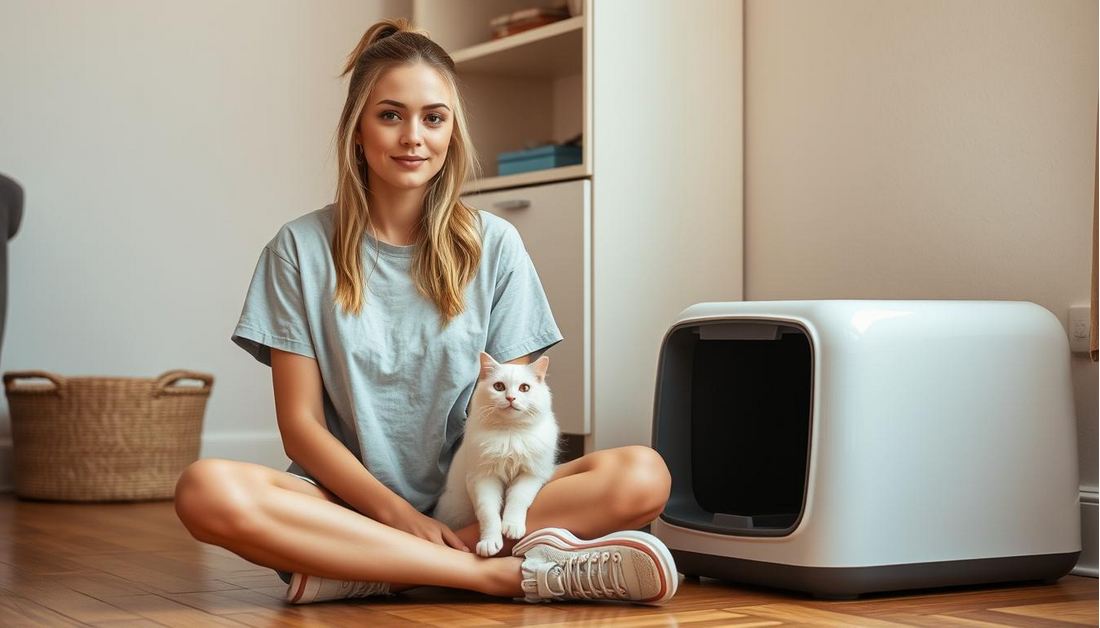
These issues can range from accidents outside the litter box to a cat’s refusal to use it. Understanding the root cause of these litter box problems is crucial to finding effective solutions. This guide aims to provide cat owners with practical advice on resolving common litter box issues.
Key Takeaways
- Identify the root cause of litter box problems
- Learn effective solutions to common litter box issues
- Understand how to prevent litter box problems
- Discover the importance of litter box maintenance
- Find tips on creating a comfortable litter box environment
Why Cats Develop Litter Box Issues
Understanding why cats avoid the litter box requires insight into their natural elimination behaviors. Cats are known for their fastidious nature, and their litter box habits are no exception.
Natural Feline Elimination Behaviors
Cats are creatures of habit and prefer a clean, quiet, and private space for elimination. In the wild, cats bury their waste to hide their scent from predators. This natural behavior translates to a domestic setting, where cats may exhibit similar preferences for a litter box that is clean and easily accessible.
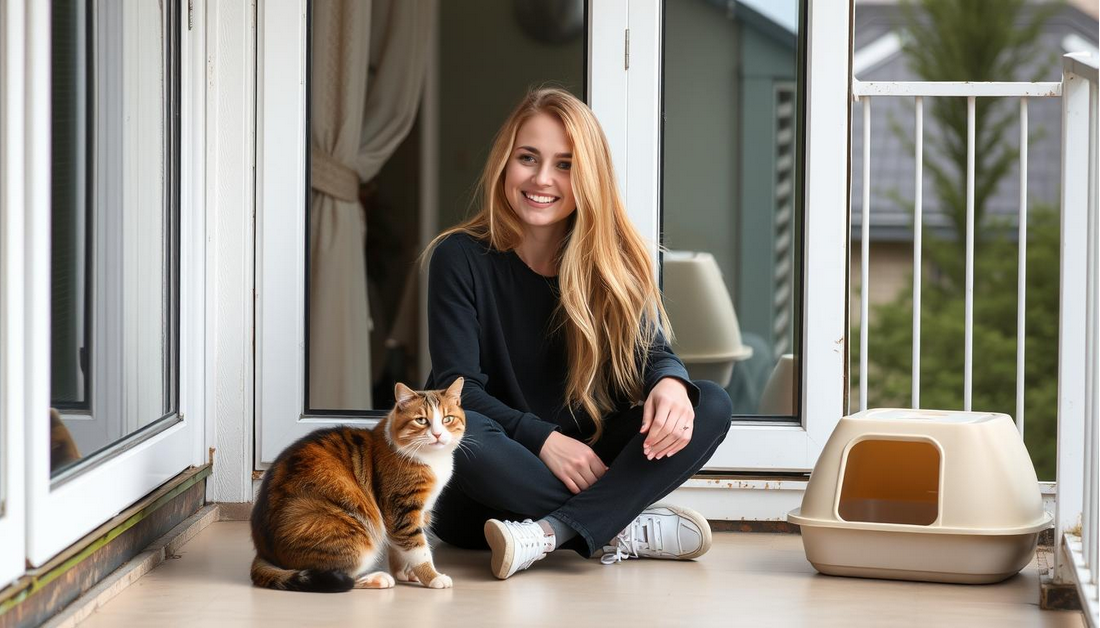
The Importance of Meeting Cats’ Bathroom Preferences
Meeting a cat’s bathroom preferences is crucial for preventing litter box issues. This includes providing an appropriately sized litter box, the right type of litter, and maintaining cleanliness. Cats may avoid the litter box if it’s too small, dirty, or located in a high-traffic area.
Environmental Factors That Influence Litter Box Use
Environmental factors, such as changes in the household or the introduction of new pets, can significantly impact a cat’s willingness to use the litter box. Stress and anxiety caused by these changes can lead to litter box avoidance. Ensuring a stable and comfortable environment is key to maintaining good litter box habits.
Recognizing Litter Box Problems in Your Cat
Cats often signal their dissatisfaction with the litter box through specific behaviors. Recognizing these signs early can help prevent more serious issues from developing.
Behavioral Signs of Litter Box Avoidance
Cats may exhibit certain behaviors when they are unhappy with their litter box. These can include avoiding the litter box altogether, showing anxiety or stress around the litter box, or urinating or defecating in unusual locations.
Physical Evidence Around Your Home
Besides behavioral changes, there are physical signs that can indicate litter box problems. These include accidents outside the litter box, unusual odors, or litter scattered around the house. Monitoring these signs can help you identify issues early.
Changes in Your Cat’s Elimination Habits
Changes in elimination habits can be a key indicator of litter box problems. This might include more frequent or less frequent urination, straining during elimination, or changes in stool or urine appearance. Keeping an eye on these changes can help you address potential issues.
| Signs of Litter Box Problems | Description |
|---|---|
| Behavioral Changes | Avoiding the litter box, anxiety around the box |
| Physical Evidence | Accidents outside the box, litter scattered around |
| Elimination Habit Changes | Frequent urination, straining, changes in stool/urine |
Common Behavioral Litter Box Problems
Understanding common behavioral litter box problems is crucial for cat owners to address their pets’ needs effectively. Cats may exhibit a range of behaviors when they are unhappy with their litter box, from complete refusal to use it to more subtle signs like perching on the edge.
Complete Refusal to Use the Litter Box
A complete refusal to use the litter box is one of the most noticeable litter box problems. This behavior can be caused by various factors, including litter box size, cleanliness, or location.
Urinating Outside the Box But Defecating Inside
Some cats may choose to urinate outside the litter box but continue to defecate inside. This selective elimination behavior can indicate issues with the litter box or its location.
Perching on the Edge or Eliminating Next to the Box
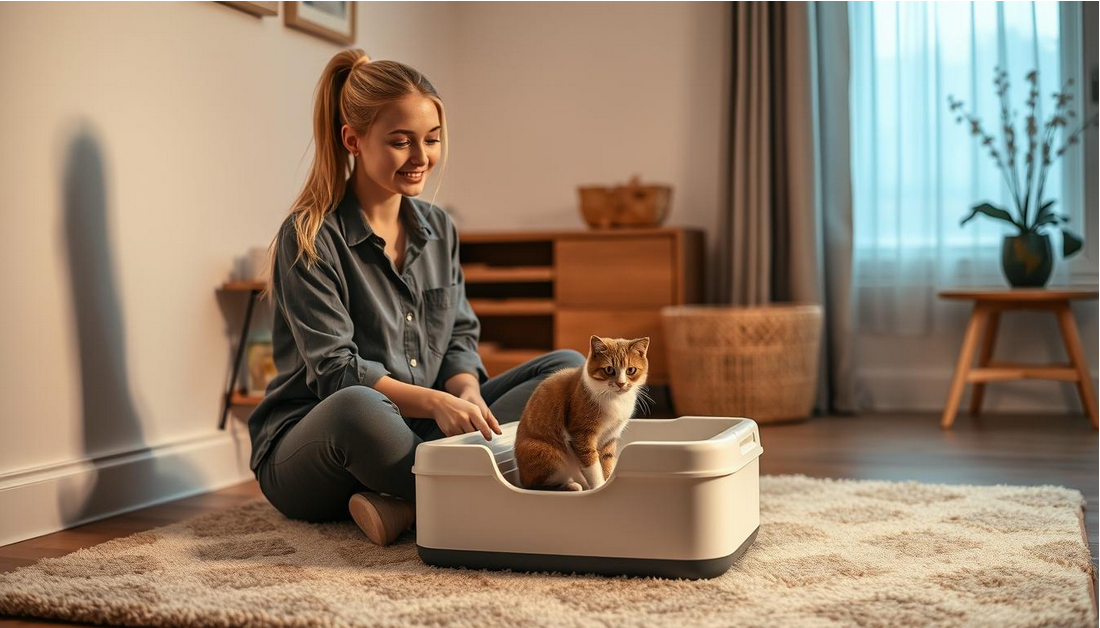
Cats that perch on the edge of the litter box or eliminate next to it may be expressing dissatisfaction with the box’s size or cleanliness.
Litter Box Anxiety and Stress Behaviors
Litter box anxiety and stress behaviors can manifest in various ways, including pacing, meowing, or avoiding the litter box altogether. These behaviors often indicate underlying issues that need to be addressed.
| Behavioral Issue | Possible Cause | Potential Solution |
|---|---|---|
| Complete Refusal to Use Litter Box | Litter box size or cleanliness | Increase litter box size or frequency of cleaning |
| Urinating Outside Box | Litter box location or type of litter | Change litter box location or type of litter |
| Perching on Edge | Litter box size or depth | Provide a larger or shallower litter box |
Health-Related Causes of Litter Box Issues
Litter box problems can stem from various health issues, including infections and mobility problems. Cats often hide signs of illness, making it crucial for owners to recognize subtle changes in litter box behavior.
Urinary Tract Infections and Bladder Problems
Urinary tract infections (UTIs) and bladder issues are common health-related causes of litter box avoidance. Cats with UTIs may associate the litter box with pain, leading to avoidance behaviors. Symptoms include frequent urination, accidents outside the litter box, and visible signs of pain while urinating.
Digestive Issues and Constipation
Digestive problems, such as constipation, can also impact a cat’s litter box behavior. Cats may experience pain or discomfort during defecation, leading to negative associations with the litter box. Increasing fiber intake or providing adequate hydration can help alleviate constipation.
Age-Related Problems in Senior Cats
Senior cats often experience age-related decline that can affect litter box use. Arthritis, reduced mobility, and cognitive dysfunction are common issues in older cats. Providing easier access to the litter box or using a litter box with lower sides can help.
Mobility Issues Affecting Litter Box Access
Mobility issues, whether due to age or injury, can significantly impact a cat’s ability to use the litter box. Cats may struggle to access the litter box if it’s too far or if they have difficulty stepping over the sides. Placing the litter box in an easily accessible location or using a litter box with a ramp can improve access.
Addressing health-related litter box issues requires a comprehensive approach, including veterinary care and adjustments to the litter box environment. By understanding the underlying causes, cat owners can take steps to resolve litter box problems and improve their cat’s quality of life.
- Monitor your cat’s litter box behavior closely
- Consult a veterinarian to rule out underlying health issues
- Make necessary adjustments to the litter box and its location
Litter Box Problems Solved: Common Issues and Fixes
Addressing litter box issues promptly is crucial for maintaining a clean and healthy environment for your cat. Litter box problems can arise from various factors, including health issues, behavioral problems, or simply a litter box that doesn’t meet your cat’s needs.
Immediate Solutions for Urgent Problems
When faced with a litter box issue, it’s essential to act quickly to prevent the problem from escalating. For urgent issues like accidents outside the litter box or a complete refusal to use it, immediate action is necessary. Ensure the litter box is clean, as cats are highly sensitive to odors and dirt. Scoop the litter box daily, and change the litter completely every 7-10 days.
If your cat is eliminating outside the box, identify the area where the accidents are happening and thoroughly clean it with a pet-safe cleaner to remove any lingering scents that might attract your cat to the same spot again.
Step-by-Step Approach to Resolving Persistent Issues
For persistent litter box problems, a systematic approach is necessary. Start by assessing the litter box itself. Consider its size, location, and type. Some cats prefer uncovered litter boxes, while others like covered ones. Ensure the litter box is large enough for your cat; a general rule is to have a litter box that is at least 1.5 times the length of your cat.
- Check the litter type: Some cats are sensitive to certain litter materials or scents.
- Evaluate the litter box location: It should be quiet, accessible, and private.
- Consider the number of litter boxes: For multi-cat households, the “N+1” rule (one litter box per cat plus one extra) can help reduce competition.
Addressing Specific Elimination Behaviors
Different elimination behaviors require different strategies. For cats that are perching on the edge of the litter box or eliminating next to it, the litter box size or depth might be the issue. For cats showing anxiety or stress around the litter box, reducing stress through environmental changes or using synthetic pheromones can be beneficial.
By understanding the specific issue and applying the appropriate solution, you can resolve litter box problems effectively. Whether it’s adjusting the litter box setup, addressing health issues, or modifying your cat’s behavior, a tailored approach will lead to a cleaner, happier home for both you and your cat.
Choosing the Right Litter Box for Your Cat
The right litter box can make a significant difference in your cat’s elimination habits and overall happiness. When it comes to selecting a litter box, several factors come into play to ensure your cat’s comfort and your convenience.
Size and Depth Considerations
The size of the litter box is crucial. A general rule of thumb is to choose a litter box that is at least 1.5 times the length of your cat. This ensures they have enough space to turn around comfortably. Depth is also important; cats prefer a litter that is not too deep, typically no more than 2 inches.
Covered vs. Uncovered: What Most Cats Prefer
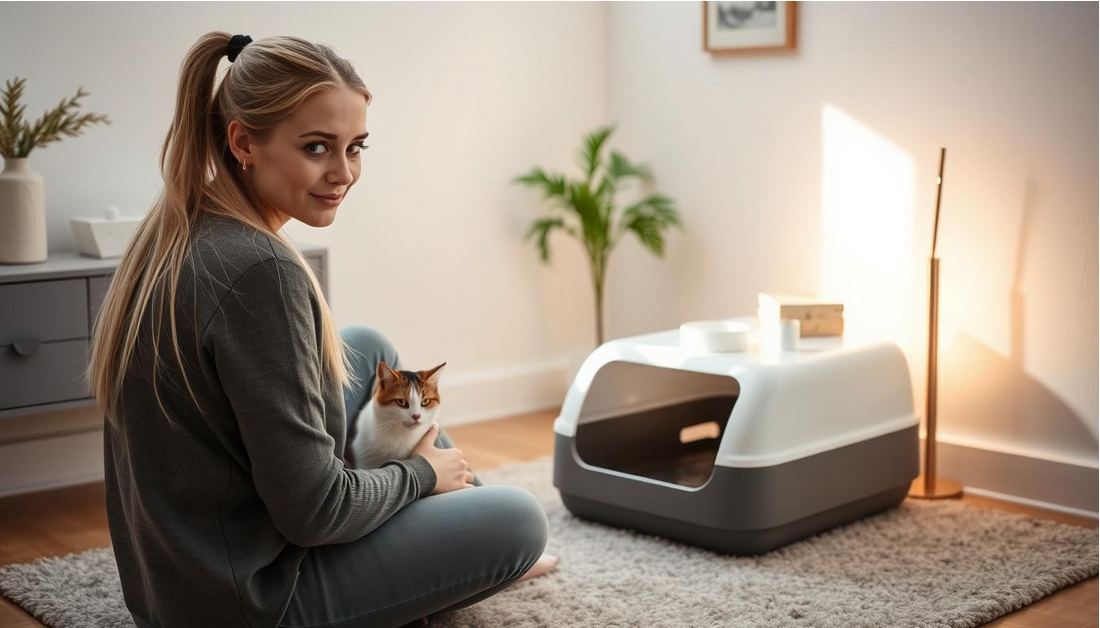
Some cats prefer the privacy of a covered litter box, while others may feel trapped or experience anxiety due to the enclosed space. Observing your cat’s behavior can help determine their preference. A covered litter box can reduce odor and scatter, but it may not be suitable for all cats.
Entry and Exit Accessibility Features
For older or mobility-impaired cats, accessibility features such as low sides or a ramp can make a significant difference. Ensuring that your cat can easily enter and exit the litter box is vital for their comfort and to prevent accidents.
Self-Cleaning Options: Benefits and Drawbacks
Self-cleaning litter boxes offer convenience but may not be suitable for all cats. Some cats may be startled by the automated cleaning mechanism. Weighing the benefits against the potential drawbacks is essential.
| Litter Box Feature | Benefits | Drawbacks |
|---|---|---|
| Covered Litter Box | Reduces odor, provides privacy | May cause anxiety, feels trapped |
| Self-Cleaning | Convenient, reduces odor | May startle cats, requires maintenance |
| Large Size | Comfortable for cats, reduces accidents | Takes up more space, may be cumbersome |
Selecting the Best Litter for Problem Cats
For cats with litter box problems, the type of litter used can make a significant difference in their behavior. The right litter can encourage proper elimination habits, reduce stress, and make litter box maintenance easier for cat owners.
Clumping vs. Non-Clumping Litter Comparison
One of the primary decisions when choosing a litter is whether to go with clumping or non-clumping litter. Clumping litter forms clumps when your cat urinates, making it easier to scoop out solid waste and leaving the litter box cleaner for longer. On the other hand, non-clumping litter requires more frequent changing but can be gentler on paws and less dusty.
| Litter Type | Clumping | Non-Clumping |
|---|---|---|
| Odor Control | Excellent | Good |
| Maintenance | Easy to Scoop | Requires Frequent Changing |
| Dust Level | Can be dusty | Generally less dusty |
Scented vs. Unscented: What Cats Actually Prefer
The debate between scented and unscented litter often centers around odor control and cat preference. While scented litter can mask unpleasant odors, some cats may find the fragrance overwhelming. Unscented litter, on the other hand, is often preferred by cats with sensitive noses.
When deciding between scented and unscented litter, consider your cat’s sensitivities and your own preferences regarding odor control.
Alternative Litter Materials for Sensitive Cats
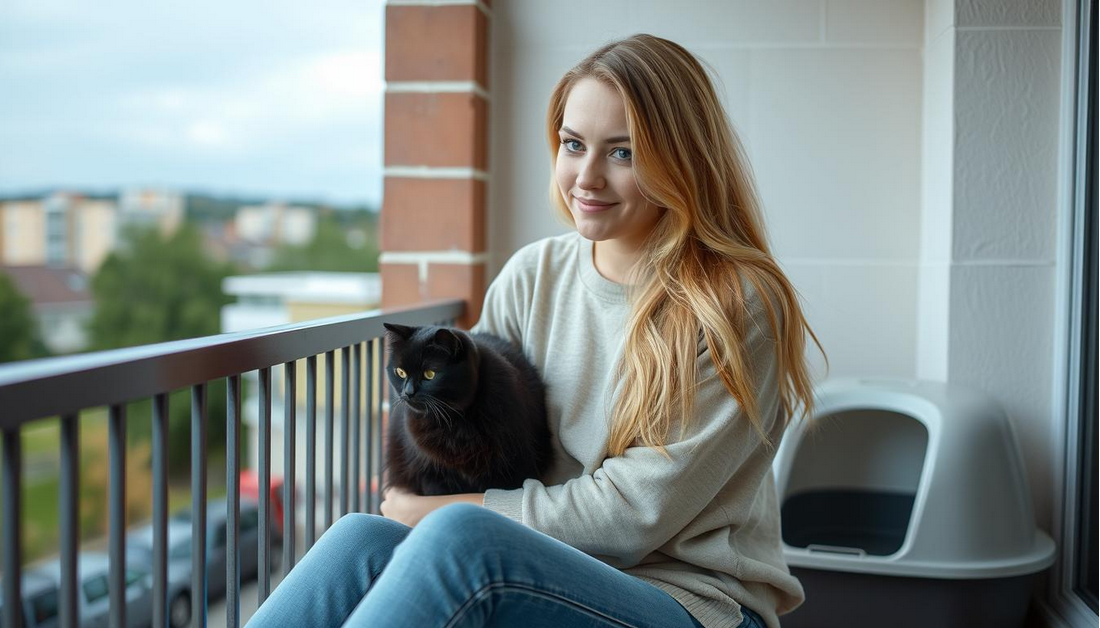
For cats sensitive to traditional clay litters, alternative materials such as pine, recycled paper, or silica gel can offer a gentler option. These litters can be less dusty and provide different textures that some cats prefer.
- Pine litter is often biodegradable and has natural odor control.
- Recycled paper litter is eco-friendly and can be composted.
- Silica gel litter is highly absorbent and controls odor well.
Transitioning to a New Litter Successfully
When switching to a new litter, it’s essential to do so gradually to avoid stressing your cat. Start by mixing a small amount of the new litter with the old, gradually increasing the proportion over time.
This gradual transition helps your cat become accustomed to the new texture, smell, and feel of the litter, reducing the likelihood of litter box avoidance.
Strategic Litter Box Placement and Setup
The location of a litter box can significantly influence a cat’s willingness to use it consistently. Cats have specific preferences when it comes to their litter box, and understanding these can help prevent common litter box issues.
Location Factors That Matter to Cats
Cats value privacy and quietness when using their litter box. Placing the litter box in a secluded area, away from high-traffic zones and noisy appliances, can encourage consistent use. Additionally, cats prefer easy access to their litter box, so accessibility is key.
Common Placement Mistakes to Avoid
One common mistake is placing the litter box near the cat’s food and water bowls. Cats are sensitive to smells and may avoid using a litter box that is too close to their eating area. Another mistake is placing the litter box in a location that is difficult for the cat to access, such as up or down a flight of stairs.
Creating Privacy Without Isolation
While cats need privacy, they also benefit from being in a location that is not too isolated. A good compromise is to place the litter box in a quiet corner of a frequently used room, providing both privacy and a sense of security.
Addressing Multi-Level Home Challenges
In multi-level homes, it’s essential to have a litter box on each level to ensure that cats have easy access to a litter box at all times. This can help prevent accidents and make it more convenient for cats to maintain good litter box habits.
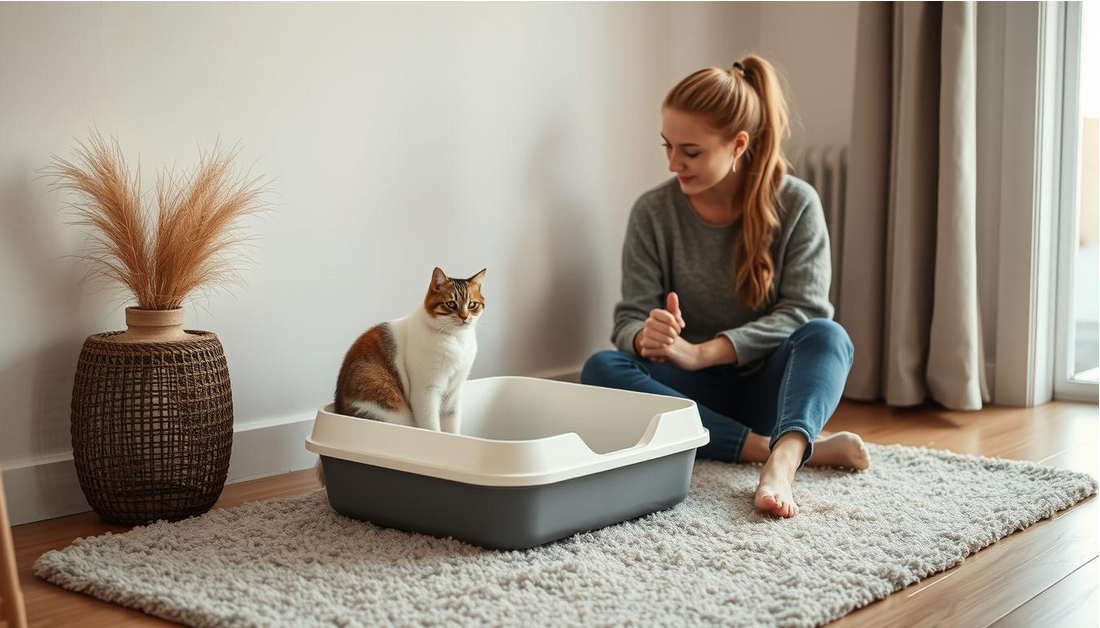
By considering these factors and avoiding common placement mistakes, cat owners can create a litter box setup that meets their cat’s needs and promotes a healthy and happy relationship between cat and owner.
Effective Litter Box Cleaning and Maintenance
Effective litter box cleaning and maintenance are vital for your cat’s well-being. Regular cleaning and appropriate maintenance are crucial for keeping the litter box hygienic and encouraging cats to use it.
Daily, Weekly, and Monthly Cleaning Routines
Establishing a regular cleaning routine is essential. Daily scooping of the litter box is a must. This helps remove waste and prevents the buildup of bacteria. Weekly, you should change some of the litter and clean the box with a mild detergent. Monthly, it’s recommended to thoroughly clean the litter box and replace the litter completely.
Odor Control Strategies That Actually Work
Controlling odor is crucial. Using odor-controlling litter can significantly reduce unpleasant smells. Regularly cleaning the litter box and employing air purifiers can also help minimize odors.
Litter Box Replacement Schedule
Knowing when to replace the litter box is important. Generally, litter boxes should be replaced every 5-7 years or sooner if damaged. Inspect your litter box regularly for signs of wear and tear.
Cleaning Products Safe for Cats
When cleaning the litter box, it’s vital to use cat-safe products. Avoid harsh chemicals and opt for mild, fragrance-free cleaners instead. This ensures your cat’s health and safety.
Solving Multi-Cat Household Litter Box Challenges
Multi-cat households often face unique litter box challenges that require careful consideration. With multiple cats sharing the same space, the litter box can become a source of stress and conflict.
The “N+1” Rule for Multiple Cats
A widely recommended guideline for managing litter boxes in multi-cat households is the “N+1” rule, where ‘N’ represents the number of cats. This means having one litter box per cat, plus one extra. For example, a household with three cats should have four litter boxes. This rule helps reduce competition and stress related to litter box access.
Managing Territorial Issues Between Cats
Territorial behavior is common in multi-cat households, and litter boxes can become focal points for these disputes. To mitigate this, it’s essential to place litter boxes in separate locations around the house, reducing the likelihood of cats guarding or competing for access to a particular box.
Strategies for Cats Who Ambush Others at the Box
Some cats may exhibit ambushing behavior at the litter box, intimidating others from using it. To address this, consider providing litter boxes in quiet, low-traffic areas or creating separate litter box stations that offer cats a sense of security and privacy.
Separate Litter Box Stations for Peace
Creating separate litter box stations can be an effective strategy for maintaining peace among cats. This involves not just having multiple litter boxes but also strategically placing them in areas where cats tend to congregate or feel safe. By doing so, you can reduce stress and make the litter box experience more pleasant for all your cats.
By implementing these strategies, multi-cat households can significantly reduce litter box-related stress and create a more harmonious living environment for their feline companions.
Retraining Cats with Litter Box Aversions
The process of retraining a cat to overcome litter box aversion involves several key strategies. Cats develop litter box aversions for various reasons, including medical issues, litter box maintenance, and environmental factors. Understanding the root cause is crucial for effective retraining.
Positive Reinforcement Techniques
Positive reinforcement is a powerful tool in retraining cats. By rewarding desired behavior, such as using the litter box, with treats and praise, cat owners can encourage their pets to adopt healthier habits. Consistency and patience are key to successful positive reinforcement.
Temporary Confinement Methods
Temporary confinement involves limiting the cat’s access to certain areas of the house to encourage litter box use. This method can be particularly effective when combined with positive reinforcement. It’s essential to balance confinement with adequate space and stimulation to prevent stress.
Gradual Reintroduction to the Litter Box
Gradually reintroducing the cat to the litter box can help overcome aversions. This involves making the litter box a welcoming space again, possibly by changing the litter type or cleaning frequency. Monitoring the cat’s reaction to these changes is crucial.
Using Feline Pheromones to Reduce Anxiety
Feline pheromones can play a significant role in reducing litter box anxiety. Products that mimic natural feline pheromones can create a calming environment, making the litter box more appealing to the cat.
“Pheromone therapy can be a valuable adjunct to other retraining methods, helping to alleviate stress and promote litter box use.”
| Retraining Method | Description | Benefits |
|---|---|---|
| Positive Reinforcement | Rewarding desired behavior | Encourages litter box use |
| Temporary Confinement | Limiting access to certain areas | Reduces accidents outside the litter box |
| Feline Pheromones | Reducing anxiety with pheromone products | Creates a calming environment |
When to Consult a Veterinarian About Litter Box Issues
Recognizing when to consult a veterinarian about litter box issues can be the key to resolving your cat’s elimination problems. Litter box issues are not just about hygiene; they can be indicative of underlying medical problems or behavioral concerns that need attention.
Warning Signs That Indicate Medical Problems
Certain behaviors or changes in your cat’s elimination habits can signal medical issues. These include persistent litter box avoidance, changes in urination frequency or volume, presence of blood in urine or stool, and signs of pain while using the litter box. If you observe any of these symptoms, it’s crucial to consult a veterinarian.
What to Expect During a Vet Visit
During a vet visit for litter box issues, you can expect a comprehensive examination of your cat. The veterinarian will likely ask about your cat’s medical history, diet, litter box habits, and any changes you’ve observed. A physical examination, possibly including urinalysis or other diagnostic tests, will help identify any underlying medical issues.
Potential Treatments for Medical Causes
Treatments for medical causes of litter box issues vary depending on the diagnosis. For urinary tract infections, antibiotics may be prescribed. For kidney stones or other obstructions, more invasive treatments might be necessary. Dietary changes can help manage conditions like constipation or digestive issues.
When to Consider Behavioral Specialists
If medical issues are ruled out, or if the problem persists after treating a medical condition, it may be necessary to consult a certified animal behaviorist. They can help identify underlying behavioral issues and develop a plan to address them, such as litter box retraining or reducing stress.
| Signs | Possible Causes | Recommended Action |
|---|---|---|
| Persistent litter box avoidance | Medical issues, litter box dissatisfaction | Consult a veterinarian, assess litter box setup |
| Changes in urination frequency | Urinary tract infections, kidney disease | Veterinary consultation, diagnostic tests |
| Signs of pain while using the litter box | Urinary tract infections, constipation | Veterinary examination, potential treatment for pain |
Conclusion: Creating a Positive Litter Box Experience
Creating a positive litter box experience is crucial for the well-being and happiness of your cat. By understanding and addressing litter box issues, you can significantly improve your cat’s quality of life.
Litter box solutions involve a combination of the right litter box, appropriate litter, and strategic placement. By choosing a litter box that meets your cat’s needs and preferences, you can encourage good elimination habits.
To create a pleasant litter box environment, maintain a clean and well-ventilated area. Regular cleaning and proper odor control are essential. By implementing these litter box solutions, you can reduce stress and anxiety for both you and your cat.
By following the guidelines outlined in this article, you can create a positive litter box experience that promotes your cat’s overall health and happiness. A well-designed litter box setup can make a significant difference in your cat’s life, leading to a more harmonious and enjoyable home environment.
FAQ
Why is my cat suddenly refusing to use the litter box?
There could be several reasons, including medical issues, stress, or dissatisfaction with the litter box. Consult a veterinarian to rule out health problems and consider factors like litter box cleanliness and location.
How often should I clean the litter box?
Daily scooping is recommended, with a full litter change every 7-10 days. The frequency may vary depending on the number of cats and the type of litter used.
What is the ideal litter box size for my cat?
The litter box should be at least 1.5 times the length of your cat. A larger litter box can help reduce accidents and make your cat feel more comfortable.
Should I use a covered or uncovered litter box?
It depends on your cat’s preference. Some cats prefer the privacy of a covered litter box, while others may feel trapped. You can experiment with both options to see what works best.
How can I stop my cat from peeing outside the litter box?
Identify the underlying cause, such as medical issues or stress. Clean areas where your cat has accidents with a neutral-smelling cleaner, and consider increasing the number of litter boxes or changing the litter type.
Can I use human cleaning products to clean the litter box?
No, it’s best to use cleaning products specifically designed for pet areas or mild, fragrance-free soap. Harsh chemicals can be toxic to cats.
How many litter boxes do I need for multiple cats?
The general rule is to have one litter box per cat, plus one extra. So, for two cats, you should have three litter boxes. This can help reduce competition and stress.
What type of litter is best for cats with sensitive noses?
Unscented, non-clumping litter or natural litters like pine or recycled paper can be a good option. Avoid litters with strong fragrances or dyes.
Can a dirty litter box cause health problems for my cat?
Yes, a dirty litter box can lead to urinary tract infections and other health issues. Regular cleaning and maintenance are crucial to your cat’s health.
How can I retrain my cat to use the litter box after they’ve stopped?
Start by identifying and addressing the underlying cause. Gradually reintroduce your cat to the litter box, and consider using positive reinforcement techniques like treats and praise.