




India customers to view on amazon.in
“Please note that no animals were harmed in the making of this content.”
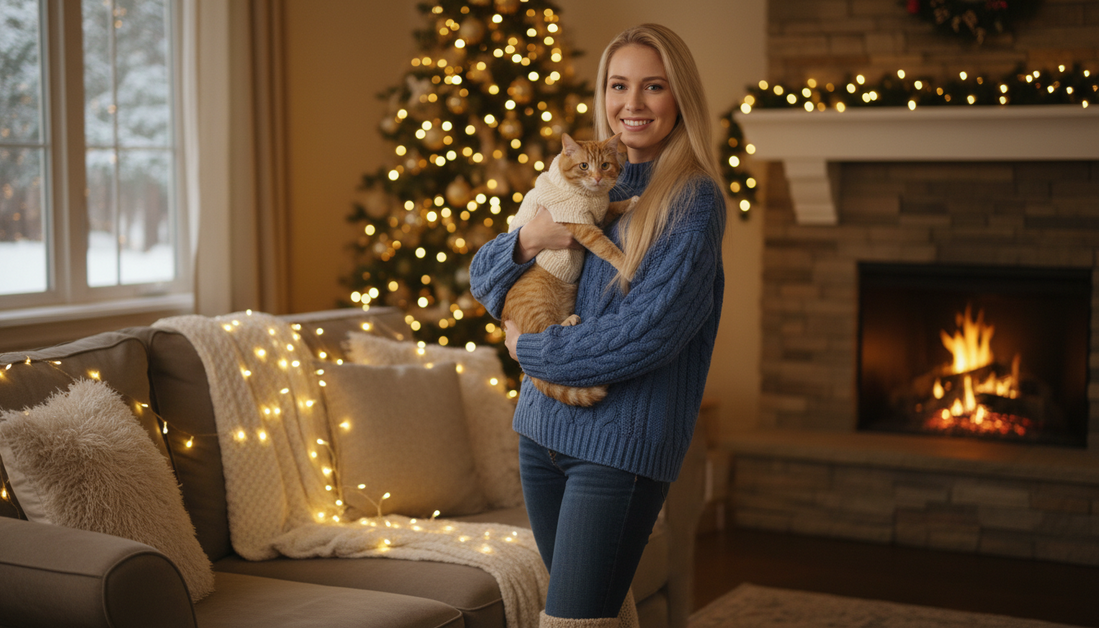
Winter Snuggles That Keep Pets Happy
As the cold weather sets in, our furry friends need a little extra care to stay warm and cozy. Providing winter pet care tips is essential to ensure their happiness and comfort during the chilly months.
- The Winter Challenge: How Cold Weather Affects Our Pets
- Temperature Sensitivity in Different Pet Species
- Recognizing Signs of Cold Discomfort in Pets
- Winter Stress and Behavioral Changes
- Creating the Ultimate Pet-Friendly Winter Home
- Ideal Temperature Settings for Pet Comfort
- Eliminating Drafts and Cold Spots
- Humidity Considerations for Winter Pet Health
- Safe Heating Options Around Pets
- Winter Snuggles That Keep Pets Happy: Science and Techniques
- The Health Benefits of Winter Cuddling for Pets
- Creating a Snuggle Routine Your Pet Will Love
- Dog-Specific Cuddling Approaches
- Cat-Friendly Snuggling Strategies
- Cozy Bedding Solutions for Winter Nights
- Selecting the Perfect Winter Pet Bed
- Budget-Friendly DIY Warming Bed Ideas
- Strategic Bed Placement for Maximum Warmth
- Winter Wardrobe Essentials: Keeping Pets Stylishly Warm
- Determining If Your Pet Needs Winter Clothing
- Selecting the Right Size and Fit
- Essential Winter Garments for Dogs
- Cat-Friendly Winter Wear Options
- Indoor Enrichment: Keeping Pets Active When It’s Cold Outside
- Mental Stimulation Games for Winter Days
- Indoor Exercise Ideas to Prevent Winter Weight Gain
- Creating Pet-Safe Indoor Obstacle Courses
- Rotating Toys to Maintain Interest
- Managing Outdoor Time in Winter Weather
- Safe Duration Guidelines for Winter Walks
- Protecting Paws from Ice, Snow, and Salt
- Winter Potty Break Solutions
- Post-Outdoor Warming Routines
- Special Winter Considerations for Different Pets
- Extra Care for Senior Pets in Cold Weather
- Keeping Puppies and Kittens Safe and Warm
- Small Mammals: Winter Care for Rabbits, Guinea Pigs, and Hamsters
- Reptile and Fish Tank Temperature Management
- Winter Health Watch: Preventing Cold-Related Issues
- Recognizing Signs of Hypothermia and Frostbite
- Managing Winter Skin and Coat Problems
- Winter Joint Care for Arthritic Pets
- Conclusion: Embracing the Joy of Winter Bonding with Your Pet
- FAQ
- How can I keep my pet warm during the winter months?
- What are the signs of cold discomfort in pets?
- Can I dress my pet in winter clothing?
- How can I protect my pet’s paws from ice, snow, and salt?
- What are some indoor enrichment activities for pets during winter?
- How often should I bathe my pet during the winter?
- Can I take my pet for a walk during extreme cold weather?
- How can I keep my senior pet warm and comfortable during winter?
- What are some safe heating options for pets?

Simple actions like adjusting their diet, creating a warm sleeping area, and spending quality time with them can make a significant difference. By following these pet happiness tips in winter, you can help your pets feel loved and cared for.
Key Takeaways
- Adjust your pet’s diet to suit the cold weather
- Create a warm and cozy sleeping area for your pet
- Spend quality time with your pet to keep them happy
- Keep your pet’s living space clean and dry
- Monitor your pet’s health during the winter months
The Winter Challenge: How Cold Weather Affects Our Pets
As winter sets in, pet owners face a unique challenge in keeping their pets comfortable and happy. Cold weather can significantly impact pets’ health and well-being, making it crucial for owners to understand and address their needs during this time.
Temperature Sensitivity in Different Pet Species
Different pets have varying levels of sensitivity to cold temperatures. For instance, short-haired dogs and cats may feel the cold more intensely than their long-haired counterparts. Similarly, senior pets or those with certain health conditions may be more susceptible to cold stress. Understanding these differences is key to providing appropriate care.
Recognizing Signs of Cold Discomfort in Pets
Pets often exhibit specific behaviors when they are uncomfortable due to cold. These can include shivering, reluctance to go outside, or seeking warm places to rest. Owners should be aware of these signs to take necessary actions, such as providing warmer bedding or adjusting the indoor temperature.
Winter Stress and Behavioral Changes
Cold weather can lead to stress and behavioral changes in pets. For example, some pets may become more anxious or lethargic, while others might exhibit changes in appetite or sleep patterns. Recognizing these changes early can help owners take steps to mitigate the effects of winter stress on their pets.
Creating the Ultimate Pet-Friendly Winter Home
Ensuring your home is pet-friendly during winter is not just about comfort; it’s also about their health and well-being. As the cold weather sets in, it’s essential to make a few adjustments to create a warm and welcoming environment for your pets.
Ideal Temperature Settings for Pet Comfort
Maintaining an ideal indoor temperature is crucial for your pet’s comfort. Most pets are comfortable in temperatures between 68°F to 72°F (20°C to 22°C). Keeping your home within this range can help prevent discomfort and stress in pets.
Eliminating Drafts and Cold Spots
Drafts and cold spots can make your home uncomfortable for pets. Sealing gaps around windows and doors, and using draft stoppers can help eliminate these cold areas. This simple step can significantly improve your pet’s comfort during the winter months.

Humidity Considerations for Winter Pet Health
Winter often brings dry air, which can affect your pet’s skin and respiratory system. Using a humidifier can help maintain a healthy humidity level, typically between 30% to 50%. This can prevent dry skin and other related issues in pets.
Safe Heating Options Around Pets
When it comes to heating options, safety is paramount. Here’s a comparison of some common heating methods:
| Heating Option | Safety Features | Pet Comfort Level |
|---|---|---|
| Space Heaters | Tip-over protection, cool-touch exterior | High |
| Central Heating | Thermostat control, even heat distribution | High |
| Heated Pet Beds | Automatic shut-off, chew-resistant cords | Very High |
Choosing the right heating option can significantly enhance your pet’s comfort and safety during the winter.
Winter Snuggles That Keep Pets Happy: Science and Techniques
As the temperature drops, the joy of snuggling with your pet becomes a simple yet effective way to keep them happy. Snuggling is not just a feel-good activity; it has several health benefits for pets, making it an essential part of their winter care.
The Health Benefits of Winter Cuddling for Pets
Cuddling with your pet during winter can have numerous health benefits. It helps in reducing stress and anxiety, promotes a sense of security, and can even lower blood pressure. The physical closeness stimulates the release of oxytocin, often referred to as the “love hormone,” which plays a crucial role in bonding and relaxation.

Creating a Snuggle Routine Your Pet Will Love
Establishing a snuggle routine can make the experience more enjoyable for both you and your pet. Start by identifying your pet’s favorite snuggling spots and times. Some pets prefer snuggling in the morning, while others might enjoy it more in the evening. Consistency is key to making snuggling a comforting and anticipated experience.
Dog-Specific Cuddling Approaches
Dogs often enjoy being petted, stroked, or even given a gentle massage. Paying attention to their body language is crucial; if they seem uncomfortable, it’s best to adjust your approach. Some dogs might enjoy being wrapped in a blanket with their owner, creating a cozy, den-like environment.
Cat-Friendly Snuggling Strategies
Cats can be more particular about their personal space, so it’s essential to respect their boundaries. Allow them to initiate contact and choose their preferred snuggling position. Gentle stroking or soft petting can be very comforting for cats, promoting relaxation and a sense of security.
By understanding and implementing these snuggling techniques, you can enhance your pet’s winter experience, providing them with warmth, comfort, and a deeper bond with you.
Cozy Bedding Solutions for Winter Nights
The cold winter months call for extra care in ensuring our pets have warm and comfortable places to rest. A cozy bed can be a haven for pets, providing them with the warmth and comfort they need during the chilly winter nights.
Selecting the Perfect Winter Pet Bed
When choosing a pet bed for winter, it’s essential to consider the material and type of bed that will best retain warmth. Self-warming beds and electric heated beds are excellent options for keeping pets warm.
Self-Warming vs. Electric Options
Self-warming beds use materials that reflect a pet’s body heat back to them, while electric heated beds provide a constant source of warmth. Both options have their benefits, and the choice depends on your pet’s specific needs and preferences.
Materials That Retain Heat Best
Materials like memory foam and thick fleece are known for their heat retention properties, making them ideal for winter pet beds.
Budget-Friendly DIY Warming Bed Ideas
For those on a budget, creating a DIY warming bed can be a fun and cost-effective solution. Some ideas include:
- Using old sweaters or blankets to create a warm, layered bed
- Placing a hot water bottle wrapped in a towel near your pet’s bed
- Creating a heated bed using a thermally insulated box and a heating pad

Strategic Bed Placement for Maximum Warmth
The placement of your pet’s bed can significantly impact its warmth. Placing the bed in a draft-free area, away from cold windows, and near a warm spot can help keep your pet cozy.
Winter Wardrobe Essentials: Keeping Pets Stylishly Warm
As the snowflakes start to fall, our pets’ need for warm and fashionable clothing becomes a top priority. Winter pet clothing is not just about style; it’s about keeping our furry friends comfortable and safe during the cold months.
Determining If Your Pet Needs Winter Clothing
Not all pets require winter clothing, but those with short coats or certain health conditions may benefit from extra warmth. Consider your pet’s breed, age, and health when deciding if they need a winter wardrobe.
Selecting the Right Size and Fit
Choosing the correct size is crucial for your pet’s comfort. Measure your pet carefully and refer to the manufacturer’s size chart to ensure a proper fit. A well-fitting garment will keep your pet warm without restricting movement.
Essential Winter Garments for Dogs
For dogs, essential winter garments include coats, sweaters, and booties. These items protect against cold weather and can be both functional and fashionable. Look for waterproof and breathable materials to keep your dog dry and comfortable.

Cat-Friendly Winter Wear Options
While cats are generally more tolerant of cold, some may appreciate a cozy sweater or coat, especially if they venture outdoors. Choose gentle, comfortable fabrics that won’t irritate their skin. Always ensure that the clothing doesn’t restrict their movement or cause stress.
By incorporating these winter wardrobe essentials into your pet care routine, you can keep your pets both stylish and warm throughout the cold season.
Indoor Enrichment: Keeping Pets Active When It’s Cold Outside
Keeping pets active during the cold winter months is not just about physical exercise; it’s also about mental stimulation and preventing boredom. As the temperature drops, it’s essential to find indoor activities that cater to your pet’s overall well-being.
Mental Stimulation Games for Winter Days
Engaging your pet’s mind is crucial during the winter. Mental stimulation games can range from puzzle toys filled with treats to hide-and-seek games around the house. These activities not only keep your pet entertained but also reduce the risk of winter-related depression and anxiety.
Indoor Exercise Ideas to Prevent Winter Weight Gain
Just because it’s cold outside doesn’t mean your pet should become less active. Indoor exercise can include playing fetch down a hallway, using a treadmill, or even setting up an indoor agility course. Regular physical activity helps maintain your pet’s weight and keeps their muscles toned.
Creating Pet-Safe Indoor Obstacle Courses
An indoor obstacle course is a fantastic way to keep your pet active and engaged. Using household items, you can create a course that includes tunnels, jumps, and weave-through sections. Ensure that the course is safe and accessible for your pet to prevent injuries.
Rotating Toys to Maintain Interest
Rotating your pet’s toys regularly can keep them interesting and prevent boredom. By introducing new toys or reintroducing old ones after a break, you can reignite your pet’s curiosity and enthusiasm. This strategy is particularly effective for maintaining mental stimulation during the winter months.
By incorporating these indoor enrichment activities into your pet’s daily routine, you can ensure they remain happy, healthy, and engaged throughout the winter season.

Managing Outdoor Time in Winter Weather
Winter weather demands a thoughtful approach to outdoor activities with your pets to ensure their safety and comfort. As the temperature drops, it’s essential to adjust your routine to meet your pet’s needs.
Safe Duration Guidelines for Winter Walks
When taking your pet for a walk in the cold, it’s crucial to limit the duration to prevent hypothermia and discomfort. Generally, walks should be shorter than usual, around 10-15 minutes, depending on your pet’s breed, age, and health condition. Monitor your pet’s behavior closely for signs of distress, such as shivering or reluctance to continue.
Protecting Paws from Ice, Snow, and Salt
Ice, snow, and salt used for de-icing can be harmful to your pet’s paws. Consider using pet-friendly ice melt products and paw protection such as booties or wax to prevent irritation and injury. After walks, clean your pet’s paws thoroughly to remove any salt or chemicals.
Winter Potty Break Solutions
For pets that need to go outside for potty breaks during winter, create a safe and quick exit routine. Use a well-lit area close to your home to minimize exposure to cold. Consider a covered potty area or a dog litter box for smaller pets or those with mobility issues.
Post-Outdoor Warming Routines
After outdoor activities, provide a warm and cozy environment for your pet to relax. Use a warm blanket or a heated pet bed to help your pet warm up. Monitor their temperature and behavior, offering a warm drink or a nutritious snack to help them regain their comfort.
Special Winter Considerations for Different Pets
As winter sets in, different pets have unique needs that require special attention. Ensuring their comfort and health involves understanding these needs and taking appropriate measures.
Extra Care for Senior Pets in Cold Weather
Senior pets require extra care during the cold winter months. Their aging bodies may struggle to regulate temperature, making them more susceptible to cold stress. Providing a warm, draft-free environment is crucial. Consider using heated pet beds or orthopedic mattresses to ease joint pain exacerbated by cold weather. Regular, gentle exercise is also important to maintain mobility.
Keeping Puppies and Kittens Safe and Warm
Puppies and kittens, with their curious nature and high energy levels, need special care to stay safe and warm. Keeping their bedding clean and warm is essential. For young animals, it’s also vital to puppy- or kitten-proof your home to prevent accidents, as they may be more prone to exploring their environment during the colder months.

Small Mammals: Winter Care for Rabbits, Guinea Pigs, and Hamsters
Small mammals like rabbits, guinea pigs, and hamsters require careful winter care. Their cages should be kept away from drafts, and extra bedding should be provided to keep them warm. It’s also important to ensure their food and water do not freeze. Checking on them frequently and maintaining a stable environment is key to their health during winter.
Reptile and Fish Tank Temperature Management
For reptiles and fish, maintaining the right tank temperature is vital. Reptiles often require a specific temperature range to thrive, and fish tanks can suffer from temperature fluctuations that stress the fish. Using high-quality heaters and thermometers can help maintain a stable environment. Regular monitoring is necessary to ensure the temperature remains within the appropriate range for the species.
By understanding and addressing the unique needs of different pets during winter, pet owners can ensure their companions remain happy and healthy throughout the cold season.
- Monitor your pet’s behavior and adjust their care accordingly.
- Keep your home warm and draft-free.
- Provide appropriate bedding and clothing for your pet.
- Maintain a regular, balanced diet.
Winter Health Watch: Preventing Cold-Related Issues
Winter can be harsh on pets, making it crucial for owners to understand and mitigate potential health risks. Cold weather brings a range of health challenges that can affect pets in various ways.

Recognizing Signs of Hypothermia and Frostbite
Hypothermia and frostbite are serious risks for pets exposed to cold weather. Signs of hypothermia include shivering, lethargy, and a drop in body temperature. Frostbite can cause skin to become pale, firm, or even necrotic. If you suspect your pet has hypothermia or frostbite, it’s crucial to seek veterinary care immediately.
Managing Winter Skin and Coat Problems
Cold weather can lead to dry, itchy skin and coat problems in pets. Regular grooming and moisturizing can help alleviate these issues. Using a humidifier indoors can also help maintain a healthy moisture level in the skin and coat.
Winter Joint Care for Arthritic Pets
Cold weather can exacerbate arthritis in pets, making joint care crucial during winter. Maintaining a healthy weight, providing a warm and comfortable place to rest, and gentle exercise can help manage arthritic symptoms. Consider consulting with your veterinarian about additional treatments or therapies.
By being aware of these potential health issues and taking proactive steps, pet owners can help ensure their pets stay healthy and comfortable throughout the winter.
Conclusion: Embracing the Joy of Winter Bonding with Your Pet
As the winter season wraps us in its cozy blanket, it’s the perfect time to strengthen the bond with our pets. By creating a warm and welcoming home, we can ensure our pets feel happy and comfortable. Simple actions like maintaining an ideal temperature, eliminating drafts, and providing cozy bedding can make a significant difference in their comfort and happiness.
Engaging in activities that promote winter bonding with pets, such as cuddling, playing indoor games, and going on safe winter walks, not only brings joy to our pets but also to us. These moments help in creating a stress-free winter for pets by keeping them active, both physically and mentally.
As we navigate through the cold winter months, let’s cherish the cozy winter evenings with pets. By doing so, we can ensure a happy and healthy winter for our beloved companions. Embracing these simple pleasures can lead to a more fulfilling experience for both pets and their owners, making the winter season a truly special time.
By following the tips and strategies outlined in this article, pet owners can create a nurturing environment that promotes pet happiness in winter. Let’s make the most of this winter season by bonding with our pets and making it a memorable and enjoyable time for them.
FAQ
How can I keep my pet warm during the winter months?
To keep your pet warm, consider providing a warm and cozy bed, maintaining a comfortable home temperature, and using pet-safe heating options. You can also use warm blankets or a heated pet bed to keep your pet snug.
What are the signs of cold discomfort in pets?
Signs of cold discomfort in pets include shivering, whining, or showing reluctance to go outside. Some pets may also exhibit changes in behavior, such as becoming more lethargic or restless.
Can I dress my pet in winter clothing?
Yes, some pets may benefit from wearing winter clothing, especially if they have short coats or are sensitive to cold. Choose clothing that fits well and is designed for pets, and consider factors like material, size, and style.
How can I protect my pet’s paws from ice, snow, and salt?
To protect your pet’s paws, consider using paw balm or wax, booties, or paw protectors. You can also wipe your pet’s paws clean after walks to remove salt and ice.
What are some indoor enrichment activities for pets during winter?
Indoor enrichment activities for pets include mental stimulation games, indoor obstacle courses, and interactive toys. You can also rotate toys regularly to keep your pet engaged and interested.
How often should I bathe my pet during the winter?
Bathing frequency may vary depending on your pet’s breed, age, and health. Generally, it’s recommended to reduce bathing frequency during winter to prevent dry skin. Consult with your veterinarian for personalized advice.
Can I take my pet for a walk during extreme cold weather?
It’s generally not recommended to take your pet for a walk during extreme cold weather. If you must take your pet outside, keep the walk short, and consider protective gear like coats and booties.
How can I keep my senior pet warm and comfortable during winter?
To keep your senior pet warm and comfortable, provide a warm and cozy bed, maintain a comfortable home temperature, and consider using pet-safe heating options. You can also consult with your veterinarian for advice on managing age-related health issues.
What are some safe heating options for pets?
Safe heating options for pets include heated pet beds, pet-safe space heaters, and warm blankets. Always follow manufacturer instructions and take precautions to avoid burns or fires.