



India customers to view on amazon.in
“Please note that no animals were harmed in the making of this content.”
Safe Playtime Ideas That Boost Pet Intelligence
Engaging your pet’s mind is just as crucial as exercising their body. Providing mental stimulation through brain games and activities can significantly enhance their overall well-being.
- The Connection Between Play and Pet Intelligence
- How Play Stimulates Cognitive Development
- The Science Behind Mental Stimulation in Pets
- Benefits of Intelligence-Boosting Activities
- Understanding Your Pet’s Learning Style
- Safe Playtime Ideas That Boost Pet Intelligence
- Indoor Activities for Mental Stimulation
- Outdoor Intelligence-Boosting Games
- Rainy Day Mental Exercise Options
- Puzzle Toys and Problem-Solving Games
- DIY Intelligence Toys You Can Make at Home
- No-Cost Enrichment Ideas
- Simple Crafts for Pet Mental Stimulation
- Safety Considerations for Homemade Toys
- Training Games That Make Learning Fun
- Technology-Based Pet Intelligence Toys
- Social Play for Emotional and Cognitive Growth
- Age-Appropriate Intelligence Activities
- Creating a Pet Enrichment Schedule
- Daily Mental Stimulation Routines
- Balancing Physical and Mental Exercise
- Rotating Toys to Maintain Interest
- Safety Considerations for Smart Play
- Conclusion: Enriching Your Pet’s Life Through Intelligent Play
- FAQ
- What are some safe playtime ideas that can boost my pet’s intelligence?
- How can I adapt playtime activities for my pet’s individual learning style?
- Are DIY intelligence toys safe for my pet?
- How often should I rotate my pet’s toys to maintain their interest?
- Can technology-based pet intelligence toys really make a difference?
- How can I balance physical and mental exercise for my pet?
- Are there specific safety concerns for small dogs or cats when it comes to playtime?
- Can older pets still benefit from intelligence-boosting activities?
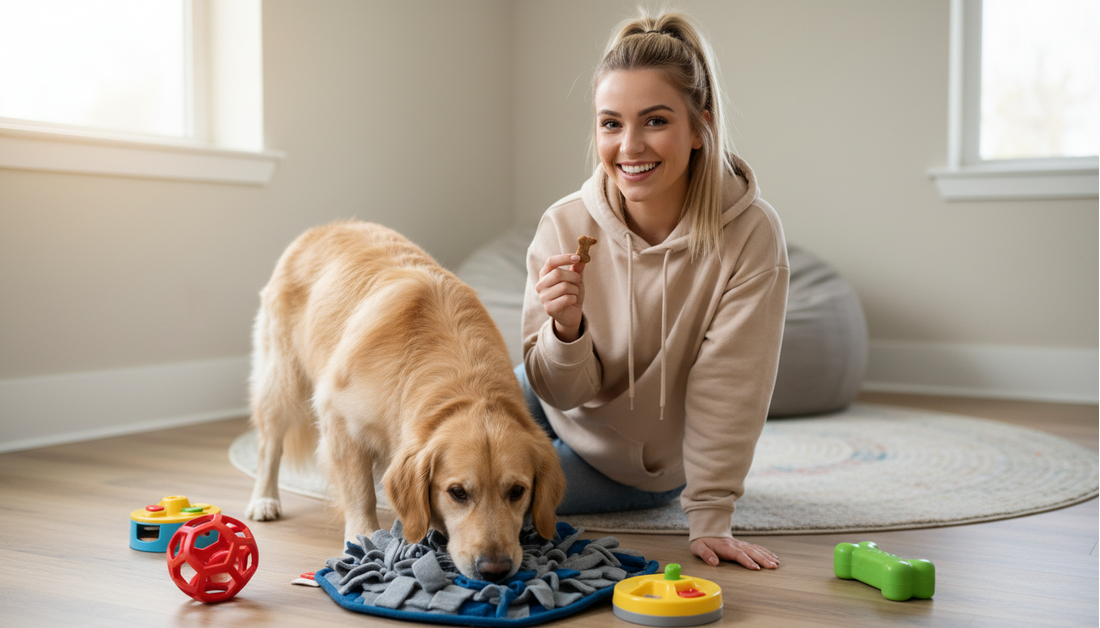
Smart play ideas for pets can range from simple puzzle toys to complex obstacle courses. These activities not only entertain but also challenge your pet, promoting intelligence and cognitive development.
By incorporating safe playtime ideas into your daily routine, you can create a happier, healthier life for your pet. This introduction sets the stage for exploring the world of pet intelligence boosting activities and how they can benefit your furry friend.
Key Takeaways
- Mental stimulation is crucial for pet well-being.
- Engage your pet with brain games and puzzle toys.
- Smart play ideas can enhance pet intelligence.
- Safe playtime activities promote cognitive development.
- Incorporating play into daily routines benefits pets.
The Connection Between Play and Pet Intelligence
Understanding how play influences pet intelligence can revolutionize your interaction with your pet. Play is not just a leisure activity; it’s a fundamental component in the cognitive development of pets.
How Play Stimulates Cognitive Development
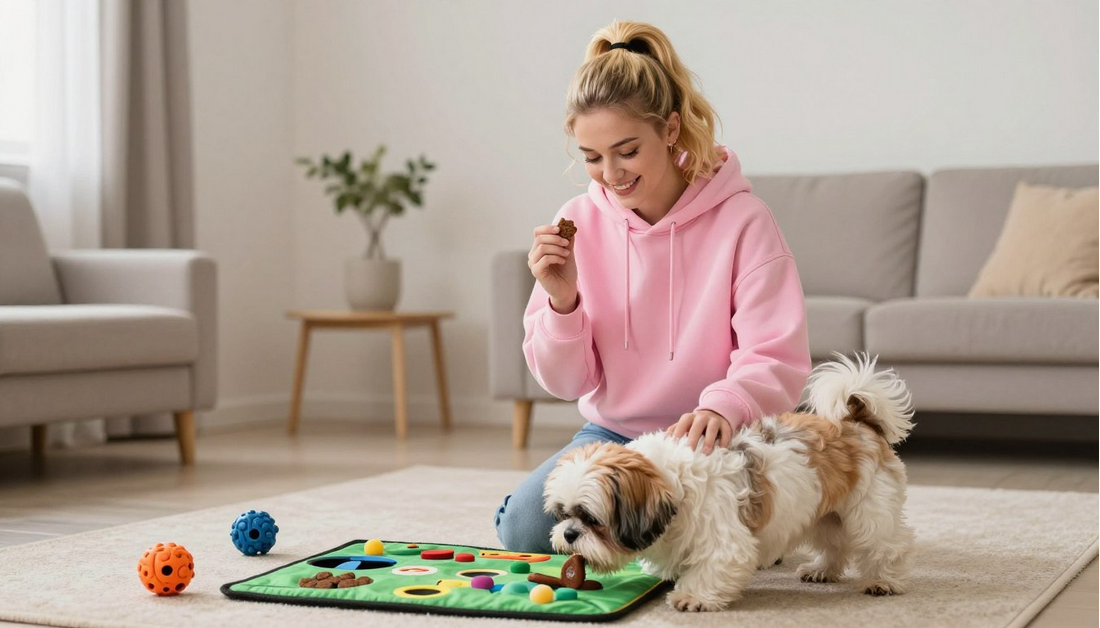
Play stimulates pet cognitive development by challenging pets to solve problems, remember commands, and adapt to new situations. Through play, pets learn to navigate their environment more effectively, enhancing their ability to interact with their surroundings.
The Science Behind Mental Stimulation in Pets
Mental stimulation in pets is crucial for maintaining their cognitive health. Research has shown that mental stimulation can help prevent cognitive decline in pets, similar to its effects in humans. Engaging in activities that challenge the mind keeps pets’ brains active and healthy.
Benefits of Intelligence-Boosting Activities
Intelligence-boosting activities offer numerous benefits for pets, including reduced behavior problems and an improved bond with their owners.
Reduced Behavior Problems
By engaging pets in intelligence-boosting activities, owners can significantly reduce behavior problems. Activities that challenge the mind can redirect energy away from destructive behaviors, leading to a more harmonious household.
Improved Bond with Owners
Moreover, these activities foster an improved bond with owners. Interactive play strengthens the relationship between pets and their owners, built on trust, understanding, and mutual enjoyment.
Understanding Your Pet’s Learning Style
Every pet is unique, and understanding their individual learning style is key to enhancing their intelligence. Just as humans have different learning preferences, pets do too, and recognizing these differences can significantly impact their cognitive development.
Different Intelligence Types in Dogs
Dogs exhibit various types of intelligence, which can be broadly categorized into three main types. Understanding these can help tailor activities to suit your dog’s needs.
Working/Obedience Intelligence
This type of intelligence refers to a dog’s ability to learn and perform tasks as commanded. Dogs with high working/obedience intelligence are typically easy to train and excel in obedience competitions.
Instinctive Intelligence
Instinctive intelligence is related to a dog’s ability to perform tasks that they were bred for. For example, herding dogs have a strong instinct to herd animals.
Adaptive Intelligence
Adaptive intelligence involves a dog’s ability to learn from their environment and solve problems. Dogs with high adaptive intelligence can figure out how to open simple doors or learn from experience.
How Cats Learn Through Play
Cats learn differently than dogs, often through play that mimics their natural hunting behaviors. Activities that stimulate their predatory instincts can enhance their cognitive abilities.
Key ways cats learn through play:
- Interactive toys that mimic prey
- Feather wands and laser pointers
- Hide-and-seek games
Adapting Activities for Small Pets
Small pets, such as rabbits and guinea pigs, also benefit from cognitive stimulation. Activities can be adapted to their natural behaviors, such as foraging and exploration.
Tips for small pets:
- Provide puzzle feeders that challenge them to find food
- Create tunnels and mazes for them to explore
- Rotate toys regularly to keep them engaged
Safe Playtime Ideas That Boost Pet Intelligence
To keep your pet’s mind active and healthy, it’s essential to incorporate a variety of safe playtime ideas into their daily routine. Engaging in mentally stimulating activities can significantly enhance your pet’s cognitive abilities and overall well-being.
Indoor Activities for Mental Stimulation
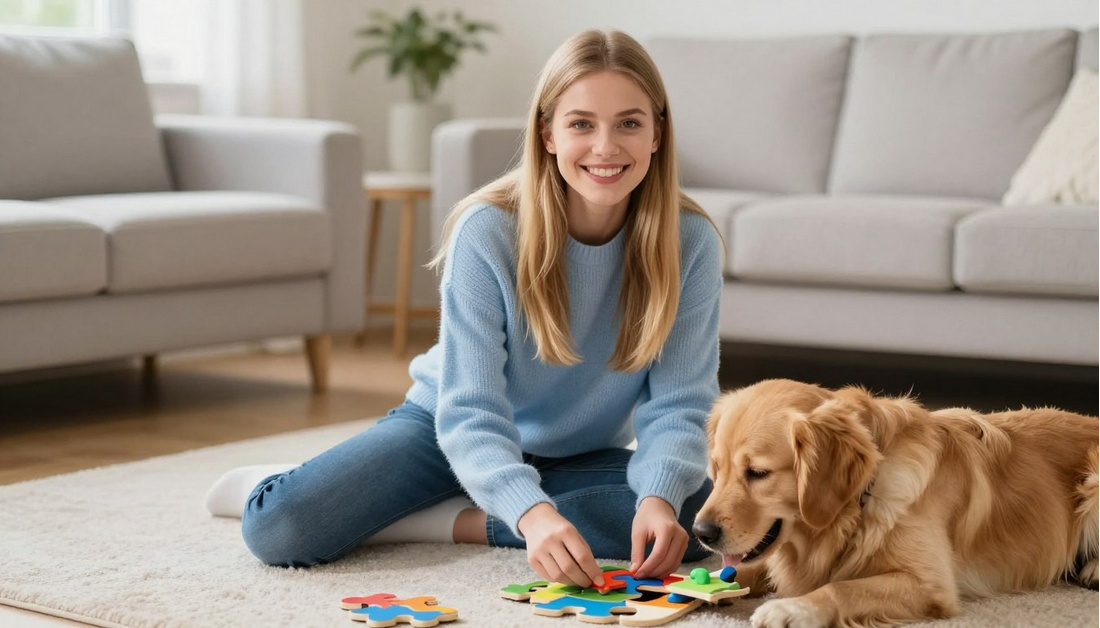
Indoor activities are perfect for days when outdoor play isn’t feasible. You can create a mini obstacle course using household items, hide treats around the house to encourage problem-solving, or engage your pet in interactive games like “find the toy” or “shell game.” These activities not only challenge your pet’s mind but also provide exercise and fun.
Outdoor Intelligence-Boosting Games
Outdoor games offer a great way to stimulate your pet’s senses and intelligence. Activities such as fetch, agility training, and scent walks can be very engaging. You can also set up a scavenger hunt in your backyard, hiding treats or toys that your pet has to find. These activities provide physical exercise and mental stimulation, keeping your pet active and healthy.
Rainy Day Mental Exercise Options
Rainy days don’t have to be boring for your pets. You can create indoor fetch games, use puzzle toys filled with treats, or engage in indoor hide-and-seek games. These activities keep your pet’s mind engaged and active, even on rainy days. Additionally, you can create a “snuffle mat” by hiding treats in a mat with holes or pockets, providing a fun and challenging activity for your pet.
By incorporating these safe playtime ideas into your pet’s routine, you can ensure they remain mentally stimulated and happy, regardless of the weather.
Puzzle Toys and Problem-Solving Games
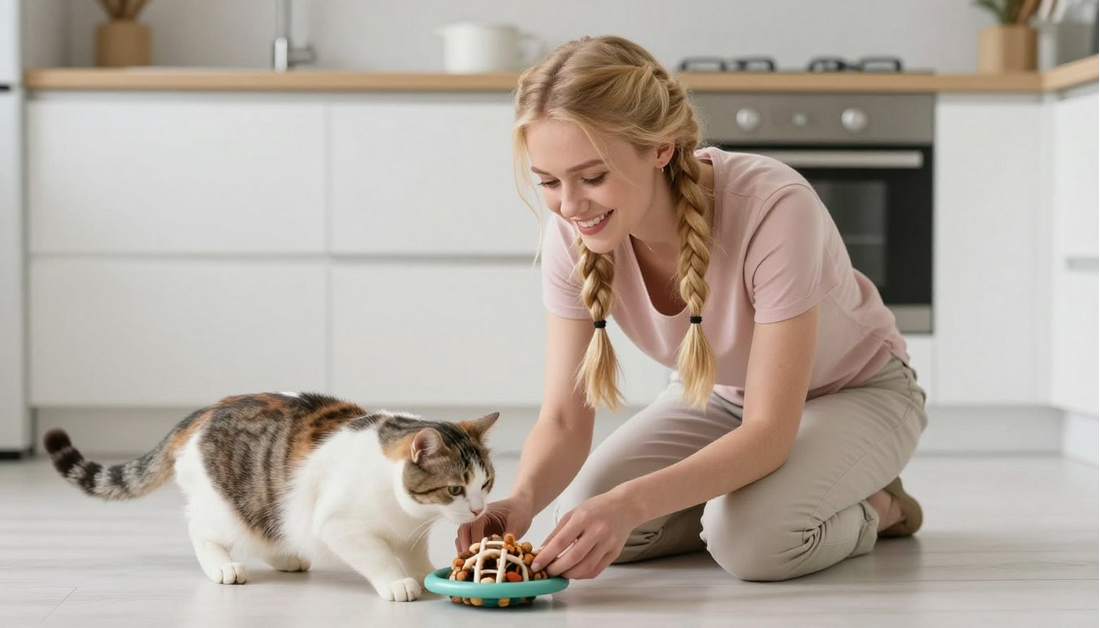
Challenge your pet’s mind with puzzle toys designed for dogs and cats. These toys are not just entertaining but also provide a mental workout, keeping your pet engaged and stimulated. Puzzle toys come in various forms, catering to different types of pets and their unique preferences.
Best Commercial Puzzle Toys for Dogs
For dogs, some of the best commercial puzzle toys include the Kong Wobbler and Outward Hound Brick Puzzle. These toys are designed to challenge your dog’s problem-solving skills, requiring them to figure out how to get a treat out. The Kong Wobbler, for instance, is a weighted toy that can be filled with treats, making it difficult for dogs to knock over, thus prolonging the challenge.
Puzzle Feeders for Cats
Cats also benefit greatly from puzzle feeders. The PetSafe SlimCat Interactive Toy and Catit Senses 2.0 Digger are excellent options. These feeders require cats to work for their food by pawing or nosing the toy, which stimulates their natural hunting instincts and keeps them mentally active.
How to Introduce Puzzles to Beginners
Introducing puzzle toys to beginners requires patience. Start with simple puzzles that are easy to understand. As your pet becomes more confident, you can gradually increase the difficulty level.
Starting with Simple Challenges
Begin with puzzles that have large, easy-to-remove pieces or simple mechanisms. This helps your pet understand the concept of working for treats without becoming frustrated.
Gradually Increasing Difficulty
As your pet becomes more adept at solving puzzles, you can introduce more complex toys. This gradual increase in difficulty keeps the challenge exciting and prevents boredom.
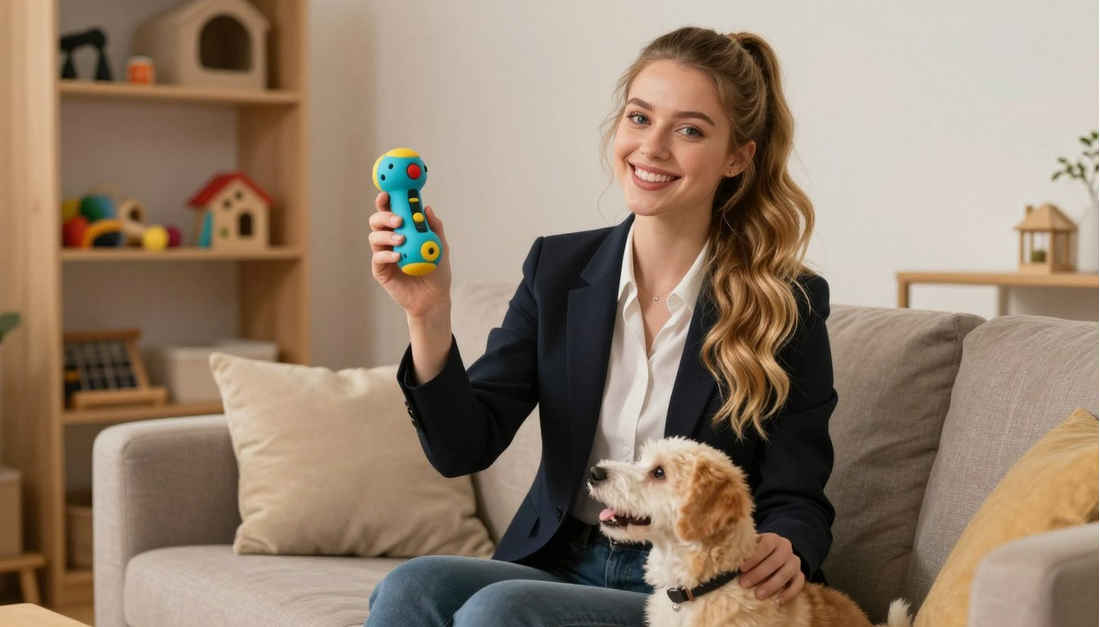
As “A mentally stimulated pet is a happy pet”, incorporating puzzle toys into your pet’s routine can lead to a more fulfilled and engaged companion. By choosing the right puzzle toys and introducing them correctly, you can enhance your pet’s cognitive abilities and overall well-being.
DIY Intelligence Toys You Can Make at Home
Creating DIY intelligence toys at home is an engaging way to challenge your pet’s mind and strengthen your bond. With a few simple household items, you can create effective toys that will keep your pet engaged and stimulated.
No-Cost Enrichment Ideas
You can create enrichment activities for your pet without spending a dime. Utilize items you already have at home to create no-cost enrichment experiences. For example, turning a cardboard box into a puzzle toy can be as simple as cutting holes of varying sizes and encouraging your pet to figure out how to get a treat out.
Simple Crafts for Pet Mental Stimulation
Engage your pet’s mind with simple crafts made from household items. Here are a few ideas:
Treat-Dispensing Toilet Paper Rolls
Fill an empty toilet paper roll with treats, then fold the ends to keep them inside. Your pet will have to figure out how to get the treats out, providing mental stimulation and rewarding problem-solving skills.
Muffin Tin Games
Place treats in a muffin tin and cover each cup with a tennis ball. Your pet will have to figure out how to remove the balls to get to the treats, challenging their problem-solving abilities.
Homemade Puzzle Boxes
Use cardboard or plastic containers to create puzzle boxes. Cut holes and add treats, encouraging your pet to figure out how to retrieve them. This activity challenges your pet and keeps them engaged.
Safety Considerations for Homemade Toys
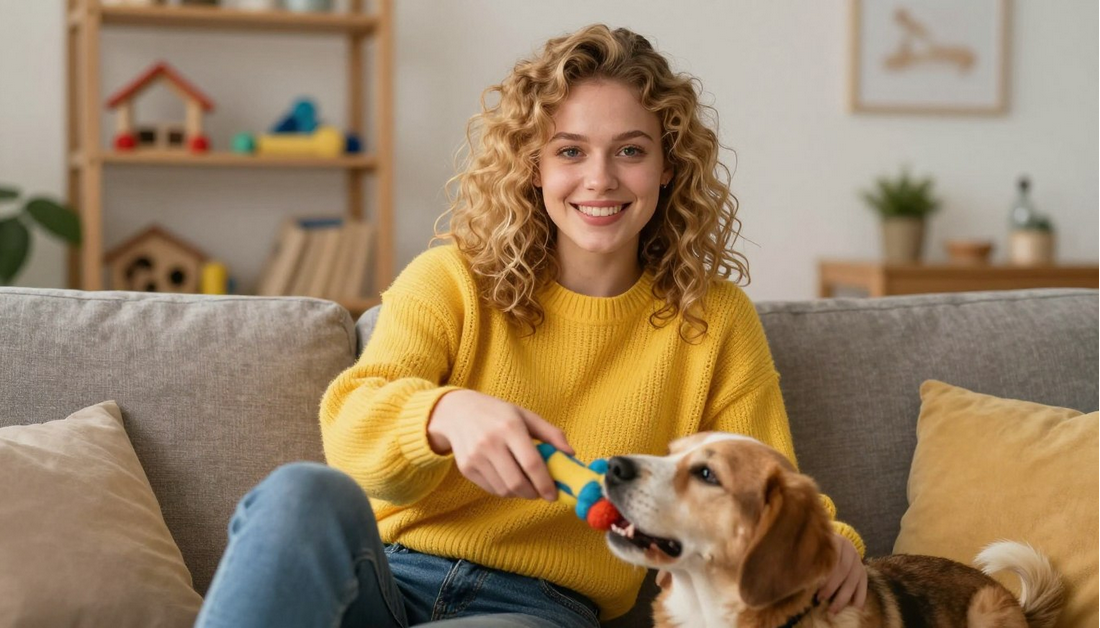
When creating DIY toys, it’s crucial to consider safety considerations to ensure your pet’s well-being. Avoid using small parts that can be swallowed, sharp edges, or toxic materials. Always supervise your pet during playtime with homemade toys to prevent any potential hazards.
Training Games That Make Learning Fun
Training games can transform the learning process for pets, making it an enjoyable experience. By incorporating these games into your training routine, you can challenge your pet’s mind while strengthening your bond.
Basic Command Games with a Twist
Basic command games are a great way to reinforce obedience while making learning fun. Adding a twist to these games, such as using different locations or incorporating distractions, can keep your pet engaged and challenged.
Scent Work for Dogs
Scent work is an excellent way to utilize a dog’s natural instincts. It provides mental stimulation and can be adapted to various environments.
Hide and Seek with Treats
Hide and seek with treats is a simple yet effective game that encourages your dog to use their sense of smell. By hiding treats around the house or yard, you’re challenging your dog to find them, which stimulates their cognitive abilities.
Name Recognition Games
Name recognition games involve calling out the names of your dog’s toys or family members, encouraging your dog to identify and respond to the named item or person. This game enhances your dog’s auditory processing and memory.
Clicker Training for Cats
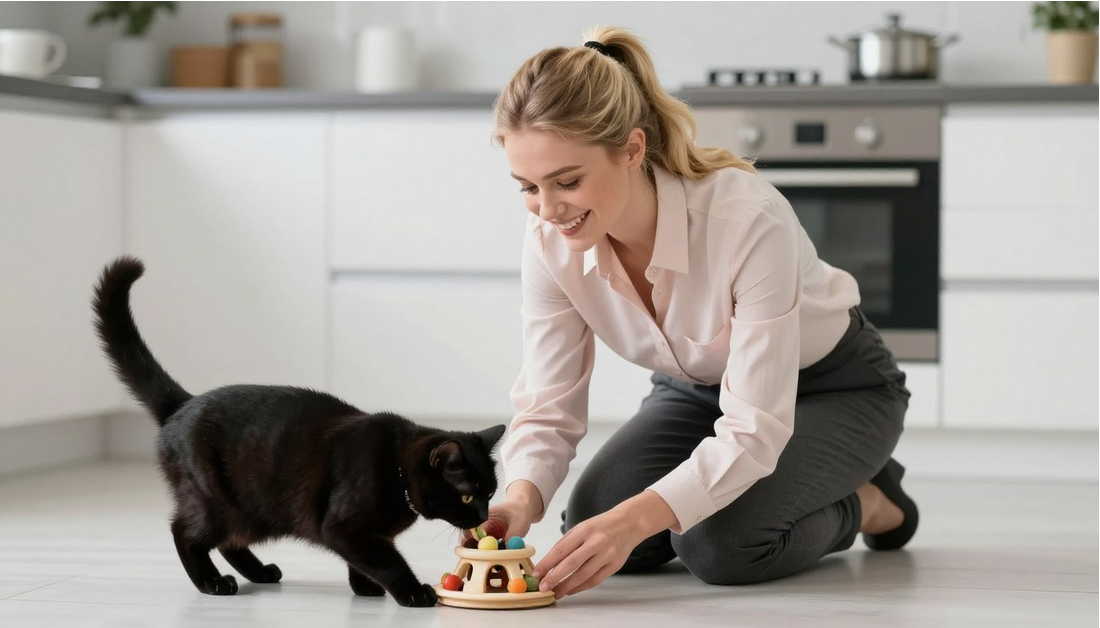
Clicker training is a positive reinforcement technique that can be used effectively with cats. By associating a clicker sound with rewards, you can teach your cat new behaviors and tricks, making learning a fun and rewarding experience.
| Training Game | Pet Type | Benefits |
|---|---|---|
| Basic Command Games | Dogs/Cats | Reinforces obedience, mental stimulation |
| Scent Work | Dogs | Utilizes natural instincts, mental stimulation |
| Clicker Training | Cats | Positive reinforcement, teaches new behaviors |
Technology-Based Pet Intelligence Toys
Technology has revolutionized pet playtime, introducing a new generation of intelligent toys designed to challenge and engage pets. These modern tools not only provide entertainment but also stimulate mental activity, helping to prevent boredom and related behavioral issues.
Interactive Electronic Toys
Interactive electronic toys are designed to adapt to a pet’s learning pace, offering a range of challenges and games. For example, Outward Hound Brick Puzzle and PetSafe SlimCat Interactive Toy are popular choices that keep pets engaged for extended periods.
App-Controlled Play Options
App-controlled toys allow owners to interact with their pets remotely, providing a new level of engagement. Toys like Petsafe Interactive Dog Toy can be controlled via a smartphone app, enabling owners to challenge their pets even when they’re not at home.
Smart Feeders for Mental Stimulation
Smart feeders challenge pets to work for their food, providing mental stimulation. Examples include PetSafe Smart Feeder and Omega Paw Tricky Treat Ball, which require pets to solve problems to access their meals.
| Toy Type | Features | Benefits |
|---|---|---|
| Interactive Electronic Toys | Adaptive challenges, various games | Mental stimulation, prevents boredom |
| App-Controlled Toys | Remote interaction, customizable | Engages pets when owners are away |
| Smart Feeders | Problem-solving required for food | Provides mental stimulation during meals |
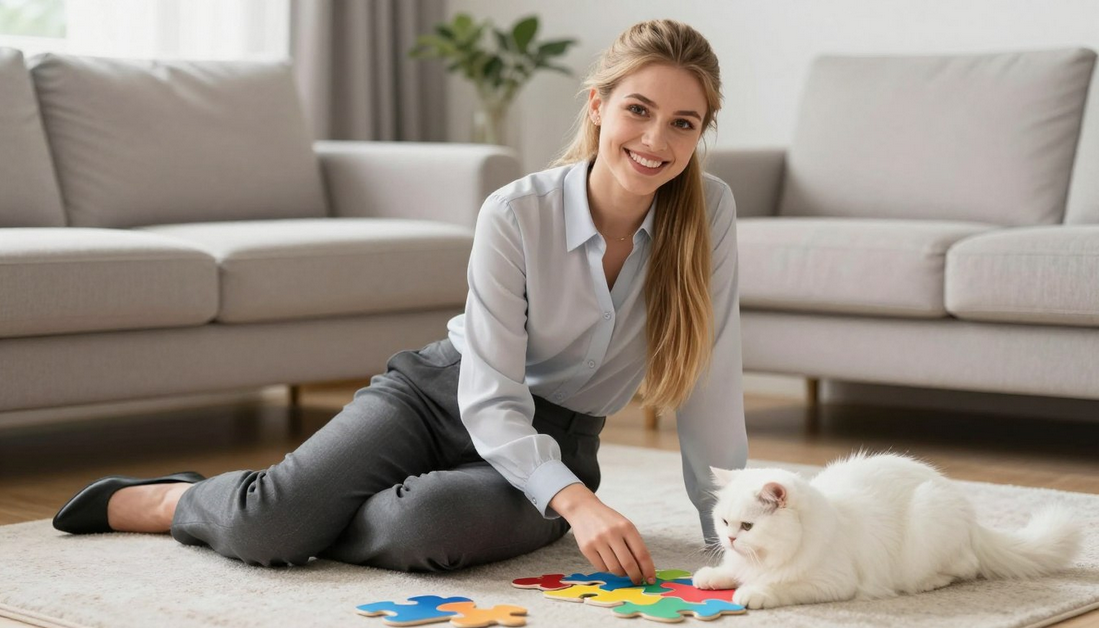
Social Play for Emotional and Cognitive Growth
Engaging in social play can significantly enhance a pet’s emotional well-being and cognitive abilities. Social play is not just about having fun; it’s a vital component of a pet’s development, influencing their emotional stability and cognitive function.
Multi-Pet Household Games
In a multi-pet household, games can be an excellent way to encourage social interaction among pets. These games not only promote bonding but also stimulate mental activity. For instance, you can create a simple obstacle course for your pets to navigate together, or hide treats that multiple pets can search for.
Human-Pet Interactive Activities
Human-pet interactive activities are equally important for a pet’s emotional and cognitive growth. These activities strengthen the bond between you and your pet while providing mental stimulation.
Fetch with a Purpose
Fetch with a Purpose is a game that adds a cognitive twist to the classic fetch game. Instead of just throwing a ball, hide it or place it in a context that requires your pet to problem-solve to retrieve it.
Shell Game for Pets
The Shell Game is another interactive activity where you hide a treat under one of several shells or containers and encourage your pet to figure out which one it’s under. This game enhances problem-solving skills and memory.
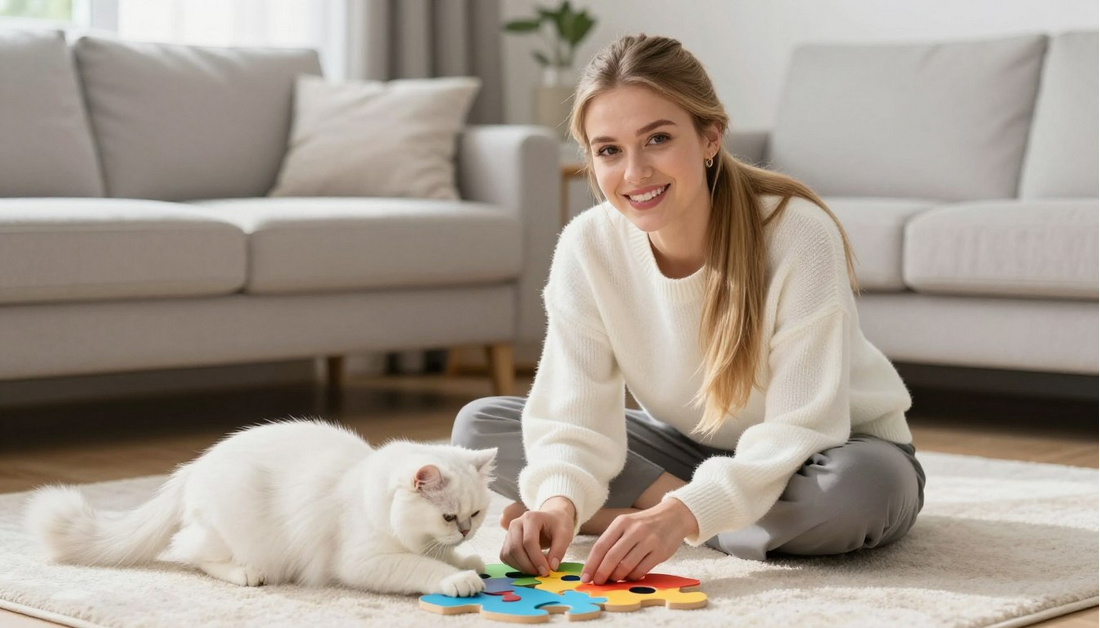
By incorporating these games into your pet’s routine, you can significantly enhance their emotional and cognitive development. Social play is a simple yet effective way to ensure your pets lead happy, healthy, and mentally active lives.
Age-Appropriate Intelligence Activities
Pet intelligence isn’t a one-size-fits-all concept; it evolves with age, necessitating age-appropriate activities. As pets mature, their cognitive needs change, requiring tailored approaches to mental stimulation.
Puppy and Kitten Brain Development Games
For young pets, intelligence activities should focus on foundational learning and socialization. Interactive toys and play-based training are ideal for puppies and kittens, helping them develop problem-solving skills and build confidence.
Adult Pet Mental Maintenance
Adult pets require continued mental stimulation to prevent boredom and stress. Engaging them in puzzle toys and scent games can help maintain their cognitive health and keep them engaged.
Senior Pet Cognitive Support
As pets age, their cognitive needs change again, often requiring gentler forms of stimulation. Memory games can be particularly beneficial for senior pets.
Memory Games for Aging Pets
Simple memory games, such as hiding treats or toys and encouraging pets to find them, can help maintain cognitive function.
Gentle Stimulation Techniques
Gentle stimulation techniques, including massage and gentle play, can provide comfort and mental stimulation for senior pets without exerting them.
Creating a Pet Enrichment Schedule
A well-structured pet enrichment schedule can significantly enhance your pet’s quality of life. By incorporating a variety of activities, you can ensure your pet remains mentally stimulated and physically active.
Daily Mental Stimulation Routines
Daily mental stimulation is crucial for preventing boredom and stress in pets. Engage your pet with puzzle toys filled with treats, scent games, or obedience training sessions. These activities challenge your pet’s mind and keep them engaged.
Balancing Physical and Mental Exercise
Finding the right balance between physical and mental exercise is vital. While physical exercise keeps your pet healthy, mental stimulation prevents cognitive decline. For example, a dog might need a 30-minute walk (physical exercise) followed by a 10-minute puzzle toy session (mental stimulation).
Rotating Toys to Maintain Interest
Rotating toys regularly is a simple yet effective way to maintain your pet’s interest. Introduce new toys or reintroduce old ones after a break to keep playtime exciting. This strategy prevents boredom and keeps your pet engaged.
| Activity Type | Examples | Benefits |
|---|---|---|
| Mental Stimulation | Puzzle toys, scent games, obedience training | Prevents boredom, reduces stress |
| Physical Exercise | Walks, runs, playtime in the yard | Maintains physical health, burns energy |
| Toy Rotation | Switching between different toys, introducing new toys | Keeps playtime interesting, prevents boredom |
Safety Considerations for Smart Play
As you engage your pet in intelligent play, safety should be your top priority. While smart play is designed to stimulate your pet’s mind and provide entertainment, there are several safety considerations to keep in mind to ensure a positive experience.
Avoiding Hazardous Materials
When selecting toys and materials for smart play, it’s crucial to avoid hazardous materials that could harm your pet. Choose toys made from non-toxic, durable materials that can withstand your pet’s play. Be cautious with materials like rubber, plastic, and fabric, ensuring they are safe for your pet to chew on or interact with.
Supervision Requirements
Supervision is key to ensuring your pet’s safety during smart play. Always watch your pet during playtime, especially when introducing new toys or games. This allows you to intervene if necessary and prevent any potential accidents.
Size-Appropriate Toy Selection
Selecting toys that are appropriate for your pet’s size is vital. Large dogs require sturdy, large toys, while smaller dogs need smaller, gentler options. Similarly, cats have specific preferences and requirements for toy size and texture.
Small Dog vs. Large Dog Considerations
For small dogs, avoid toys with small parts that can be easily swallowed. Large dogs, on the other hand, need toys that can withstand their strength. Durable, size-appropriate toys can help prevent choking hazards and damage to your pet’s teeth or jaws.
Cat-Specific Safety Concerns
Cats have unique safety concerns, particularly related to their claws and teeth. Choose toys that are designed for cats, avoiding those with sharp edges or small parts that can be ingested. Interactive toys that encourage natural hunting behavior are both safe and stimulating.
Conclusion: Enriching Your Pet’s Life Through Intelligent Play
Providing mental stimulation for your pet is crucial for their overall well-being and happiness. By incorporating intelligent play into their daily routine, you can significantly enhance their quality of life. Intelligent play not only challenges their minds but also strengthens the bond between you and your pet, leading to a more enriching pet life.
Throughout this article, we’ve explored various safe playtime ideas that boost pet intelligence, from puzzle toys to DIY enrichment activities. By understanding your pet’s learning style and adapting activities to their needs, you can ensure they receive the mental stimulation they require. This, in turn, contributes to their pet happiness and overall cognitive health.
As you continue to engage your pet in intelligent play, remember to rotate toys and activities regularly to maintain their interest. By doing so, you’ll be providing your pet with a mentally stimulating environment that supports their emotional and cognitive growth. With consistent effort, you can create a happy and healthy pet that thrives on mental stimulation and intelligent play.
FAQ
What are some safe playtime ideas that can boost my pet’s intelligence?
You can try puzzle toys, scent work, hide and seek, and interactive electronic toys to challenge your pet’s mind and keep them engaged.
How can I adapt playtime activities for my pet’s individual learning style?
Understand your pet’s intelligence type, whether it’s working/obedience, instinctive, or adaptive, and tailor activities accordingly. For example, dogs with high working/obedience intelligence may enjoy basic command games, while cats may benefit from clicker training.
Are DIY intelligence toys safe for my pet?
Yes, but you must consider safety factors such as avoiding hazardous materials, ensuring proper supervision, and selecting size-appropriate toys. Some ideas for DIY toys include treat-dispensing toilet paper rolls and muffin tin games.
How often should I rotate my pet’s toys to maintain their interest?
It’s a good idea to rotate your pet’s toys regularly, ideally every few days or once a week, to keep them engaged and prevent boredom.
Can technology-based pet intelligence toys really make a difference?
Yes, technology-based toys such as interactive electronic toys, app-controlled play options, and smart feeders can provide mental stimulation and challenge your pet in new ways.
How can I balance physical and mental exercise for my pet?
Create a daily routine that includes both physical activity, such as walks or playtime, and mental stimulation, such as puzzle toys or training games, to ensure a well-rounded and healthy lifestyle for your pet.
Are there specific safety concerns for small dogs or cats when it comes to playtime?
Yes, small dogs and cats require special consideration when it comes to toy size and material. Choose toys that are durable and safe for their size and age, and always supervise playtime to prevent accidents.
Can older pets still benefit from intelligence-boosting activities?
Absolutely, older pets can benefit from gentle stimulation techniques, memory games, and other age-appropriate activities that cater to their cognitive needs and abilities.