




Create On-Brand Hypernatural Videos in Minutes with AI
Modern marketing demands constant visual engagement, yet producing high-quality content often feels like a race against the clock. Businesses today must balance speed and quality to capture the attention of a busy digital audience.
- The Rise of AI in Video Production
- How to Create On-Brand Videos in Minutes with AI
- Defining Your Brand Identity for AI Tools
- Selecting the Right AI Video Creation Tool
- Preparing Your Assets for Automated Video Creator Workflows
- Mastering Drag-and-Drop Video Creation Techniques
- Ensuring Brand-Aligned Video Content Consistency
- Advanced Tips for Instant Brand Videos
- Troubleshooting Common AI-Powered Video Editing Challenges
- Conclusion
- FAQ
- How can I create on-brand videos in minutes with ai without losing my unique visual identity?
- What is the main advantage of using an ai video creation tool over traditional editing?
- How do I ensure my content stays brand-aligned when using automated tools?
- Which on-brand video maker is best for professional business needs?
- Can non-technical team members use drag-and-drop video creation interfaces effectively?
- How does ai-powered video editing handle different social media formats?
- What are the best practices for preparing assets for an automated video creator?
- What should I do if I encounter technical glitches or quality issues with AI visuals?
Fortunately, you can now Create On-Brand Videos in Minutes with AI to streamline your entire workflow. These advanced tools empower teams to maintain a consistent visual identity while drastically cutting down production hours.

Embracing these innovative technologies ensures your messaging remains professional and highly relevant. By automating repetitive tasks, your creative team gains the freedom to focus on strategy and storytelling. This shift not only saves resources but also keeps your brand voice sharp and recognizable across every platform.
Key Takeaways
- Leverage automation to maintain visual consistency across all marketing channels.
- Reduce production timelines significantly without sacrificing professional quality.
- Focus your creative energy on high-level strategy rather than manual editing tasks.
- Ensure your brand messaging stays engaging for your specific target audience.
- Adopt modern tools to stay competitive in a fast-paced digital landscape.
The Rise of AI in Video Production
Video production has undergone a massive evolution, moving from manual, labor-intensive workflows to automated, intelligent systems. In the past, creating a single professional clip required weeks of planning, expensive equipment, and a large team of editors. Today, technology has fundamentally changed the game for creators and businesses alike.
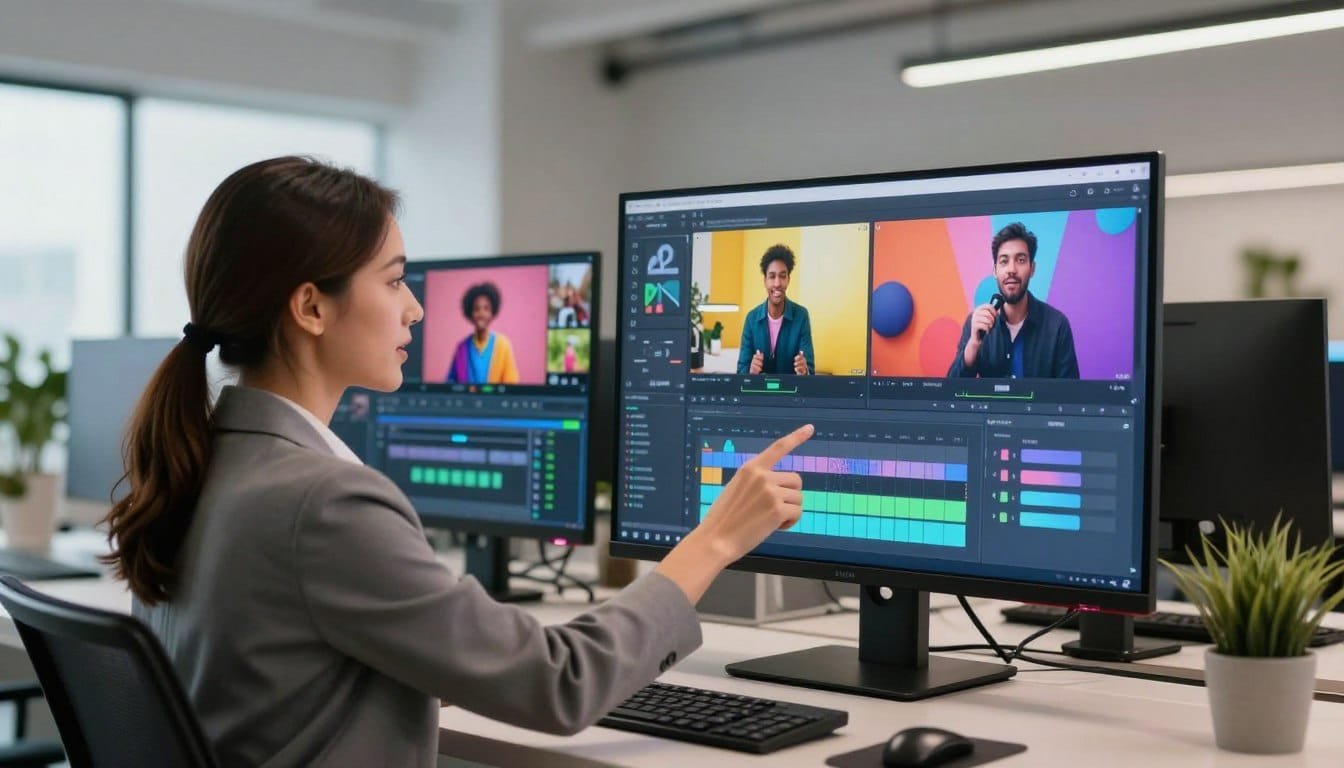
By leveraging advanced algorithms, companies can now produce high-quality assets in a fraction of the time. This shift toward quick ai video production allows brands to stay agile in an increasingly crowded digital marketplace.
quick ai video production
Understanding Hypernatural Video Content
Hypernatural video content represents the pinnacle of current AI capabilities. It refers to media that feels incredibly realistic, blending synthetic elements with human-like nuances that resonate with viewers. These videos maintain a high level of visual fidelity while remaining fully customizable for specific brand needs.
Unlike early, robotic-looking animations, modern tools create fluid movements and natural expressions. This authenticity is vital for building trust with your audience. When content looks and feels real, viewers are far more likely to engage with your message.
Why Speed Matters in Modern Marketing
In today’s fast-paced digital world, the ability to generate content at scale has become a primary competitive advantage. Marketing trends shift overnight, and brands that wait too long to respond often lose their relevance. Implementing quick ai video production ensures that your team can capitalize on viral moments and emerging trends instantly.
“Speed is the new currency of marketing. If you cannot adapt your messaging to the current conversation, you are effectively invisible to your target audience.”
The following table highlights the key differences between traditional production methods and modern AI-driven workflows:
| Feature | Traditional Production | AI-Driven Production |
| Turnaround Time | Weeks or Months | Minutes or Hours |
| Cost Efficiency | High Investment | Low to Moderate |
| Scalability | Limited by Resources | Highly Scalable |
| Technical Skill | Expertise Required | Minimal Training |
Adopting these faster workflows is no longer optional for brands that want to thrive. By embracing quick ai video production, you empower your team to focus on strategy rather than repetitive technical tasks. This transition is essential for maintaining a consistent and impactful presence across all digital channels.
How to Create On-Brand Videos in Minutes with AI
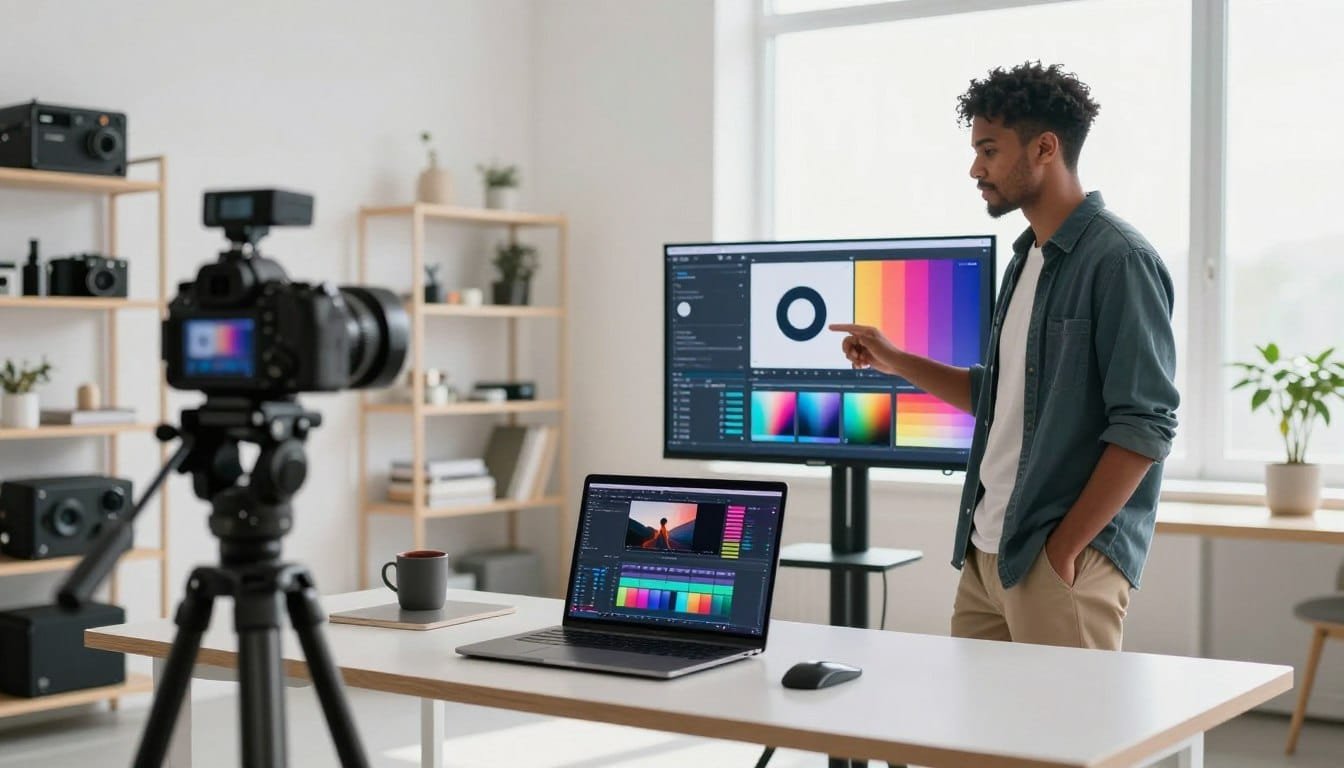
Mastering quick AI video production begins with a clean and intuitive digital environment. When your tools are organized, you spend less time searching for files and more time refining your creative vision. A structured workspace acts as the foundation for every project you undertake.
Create On-Brand Videos in Minutes with AI
Setting Up Your AI Workspace
To effectively create on-brand videos in minutes with AI, you must first centralize your brand assets. Start by uploading your official logos, color palettes, and typography into your chosen platform’s brand kit. This ensures that every element you pull into a project automatically matches your company identity.
Organize your media library into clear, labeled folders based on campaign types or content themes. By keeping your raw footage and graphics categorized, you reduce the friction of the editing process. Consistency is the key to maintaining a professional look across all your digital channels.
Leveraging Templates for Rapid Production
Choosing the right template is a game-changer for any on-brand video maker. Templates provide a structural blueprint that keeps your messaging clear while saving you hours of manual design work. You should select layouts that align with your specific brand guidelines to ensure a polished finish every time.
Once you find a template that fits your style, customize the placeholders with your unique content. This approach allows you to maintain high production standards without needing advanced technical skills. Efficiency is achieved when you combine the power of automation with your own creative direction.
Defining Your Brand Identity for AI Tools
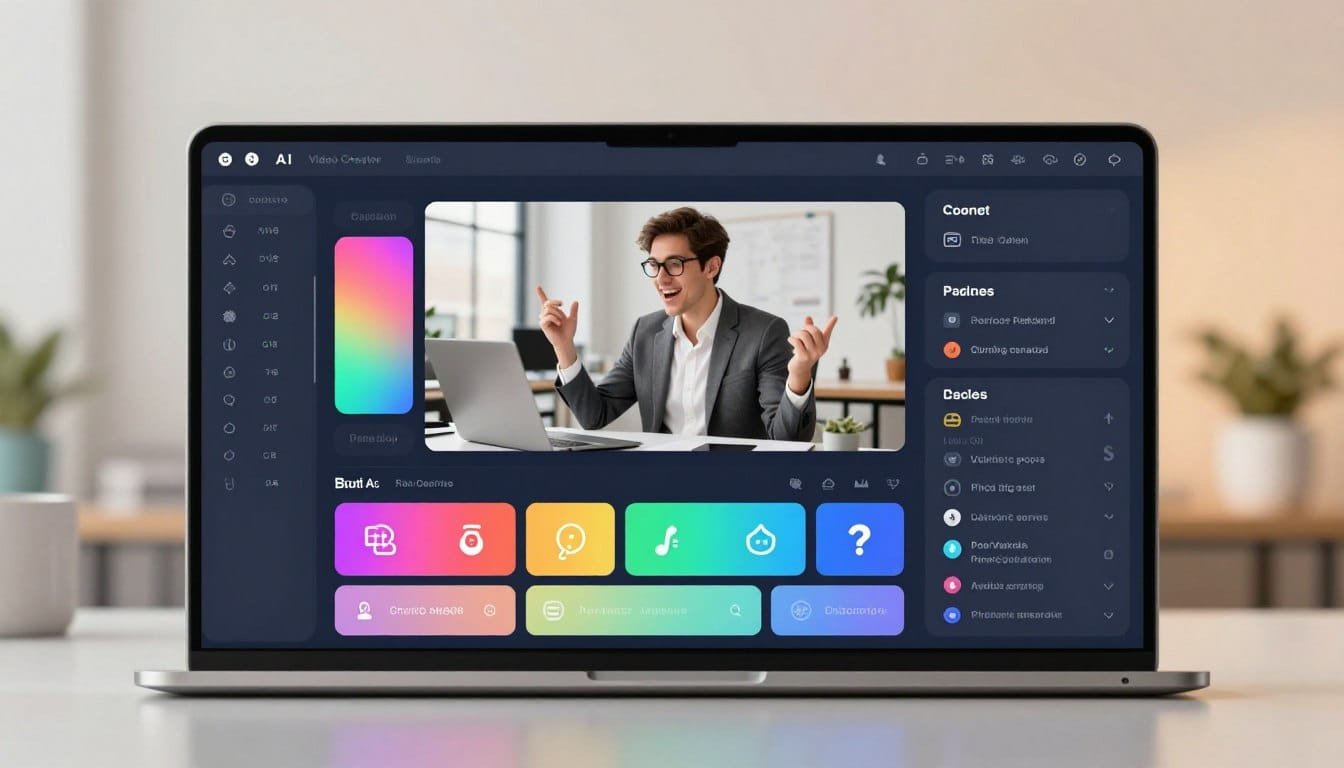
Defining your brand identity is the most critical step before you start using an automated video creator. When you have a clear vision, your AI tools can act as a powerful extension of your creative team. Consistency is the secret ingredient that turns simple clips into professional assets.
Without a solid foundation, your content may feel disjointed or off-message. By documenting your core identity, you ensure that every output from your on-brand video maker aligns with your company goals. This preparation saves time and prevents the need for constant manual revisions.
on-brand video maker
Establishing Your Visual Style Guide
Your visual style guide serves as the rulebook for your brand. It should clearly define your primary color palette, typography, and logo usage. When these elements are documented, you can easily translate them into the settings of your on-brand video maker.
Think of your style guide as a map for the AI. If you specify that your brand uses bold, sans-serif fonts and a specific shade of blue, the AI will apply these choices automatically. This precision ensures that your audience recognizes your content instantly, regardless of the platform.
Inputting Brand Assets into AI Systems
Once your guide is ready, you must upload your assets into your chosen platform. Most modern tools allow you to save your brand kit directly into the workspace. This means your logos, fonts, and color codes are always ready for your next project.
Properly organizing these files is essential for a smooth workflow. When you provide high-quality source files, the AI can maintain visual integrity across all your videos. Use the following table to understand how different assets influence your final production.
| Asset Type | Purpose | Impact on AI Output |
| Brand Colors | Visual consistency | High: Sets the mood and theme |
| Company Logo | Brand recognition | High: Anchors the video identity |
| Typography | Readability | Medium: Defines the professional tone |
| Voiceover Tone | Audience connection | Medium: Shapes the emotional impact |
By investing time in these setup steps, you empower your on-brand video maker to deliver better results. A well-prepared library of assets is the key to scaling your content production effectively. Start by organizing your files today to see the difference in your next video project.
Selecting the Right AI Video Creation Tool
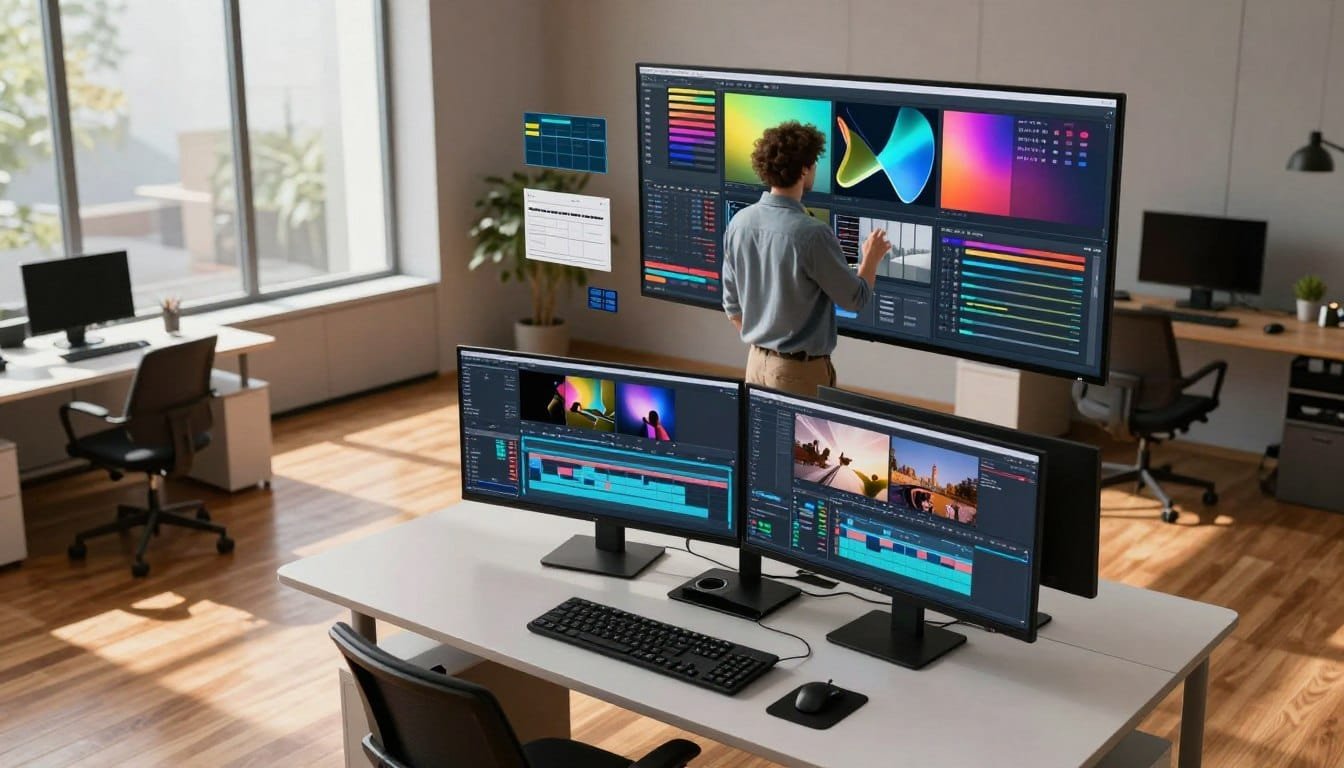
Your choice of an ai video creation tool will ultimately define the quality and scalability of your marketing output. With so many options available, it is easy to feel overwhelmed by the sheer volume of software on the market today. Focusing on your specific business goals helps you filter out the noise and find a solution that truly fits your workflow.
ai video creation tool
Evaluating Features for Professional Results
When you evaluate a potential ai video creation tool, look beyond basic templates. You need a platform that offers robust customization options to ensure your videos remain on-brand. Professional results depend on the ability to upload custom fonts, specific color palettes, and unique brand assets seamlessly.
Consider how the software handles complex editing tasks. The best tools provide intuitive interfaces that allow you to adjust timing, transitions, and audio levels without needing a degree in film production. Efficiency is key, but it should never come at the expense of your brand’s visual identity.
Comparing Popular Platforms for Business Needs
Choosing the right software requires a clear understanding of what each platform offers. The following table highlights key differences between top-tier solutions to help you make an informed decision for your team.
| Platform Feature | Basic AI Tools | Enterprise AI Solutions |
| Brand Asset Storage | Limited | Unlimited/Cloud Sync |
| Customization Depth | Low | High/Advanced |
| Scalability | Individual Use | Team Collaboration |
| Output Quality | Standard HD | 4K Professional |
By prioritizing these features, you ensure that your ai video creation tool supports your long-term growth. Take the time to test a few platforms before committing to a subscription. This due diligence protects your brand and streamlines your production process for years to come.
Preparing Your Assets for Automated Video Creator Workflows
Preparing your digital assets is the secret to unlocking the full potential of your video production workflow. When you use an automated video creator, the quality of your output depends entirely on the quality of the inputs you provide. Taking the time to standardize your files ensures that your brand remains consistent across every single frame.
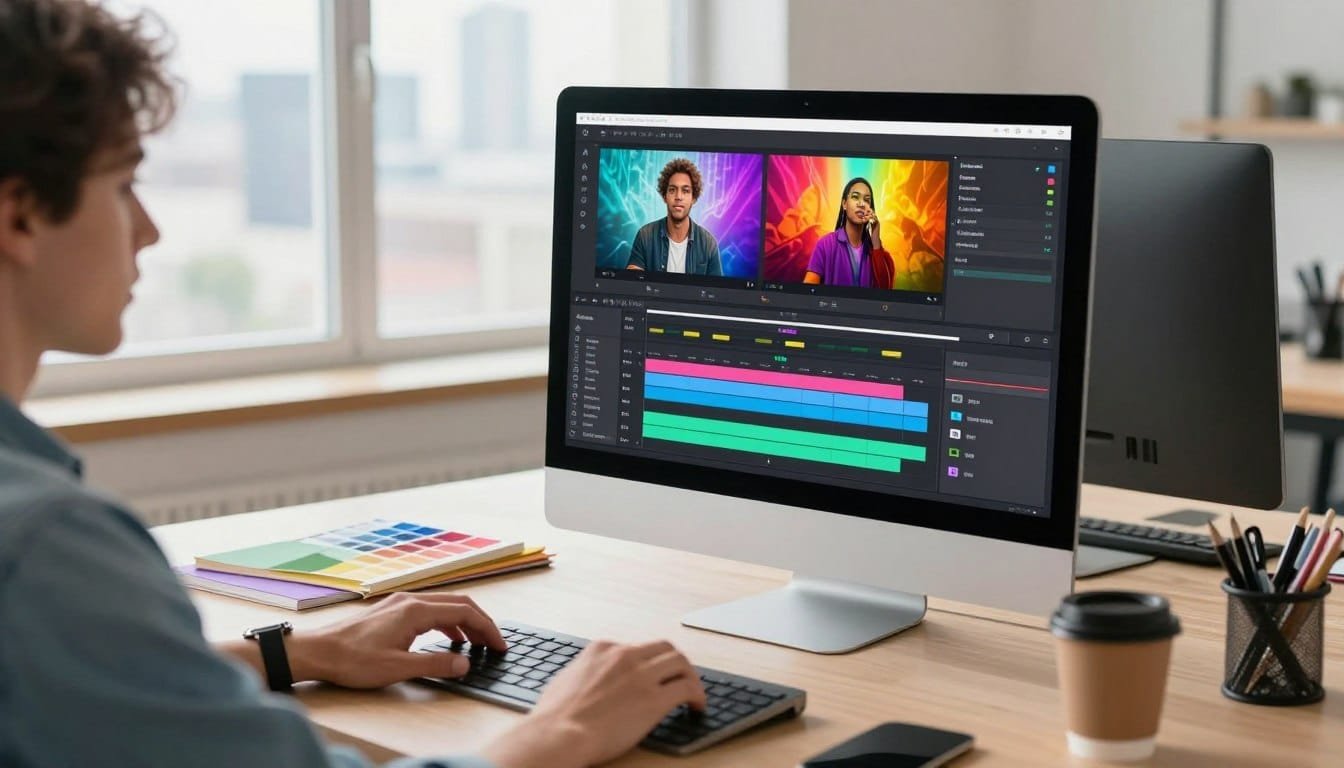
automated video creator
Optimizing Logos and Color Palettes
Start by ensuring your logos are saved in high-resolution vector formats like SVG or EPS. These files allow the software to scale your branding without losing clarity or pixelating during transitions. Consistency is key when building a professional look.
Next, define your brand colors using specific hex codes rather than relying on generic color pickers. By inputting these exact codes into your automated video creator, you guarantee that every graphic element matches your official style guide perfectly. This simple step eliminates guesswork and keeps your visual identity sharp.
Organizing Media Libraries for AI Access
Effective organization is the backbone of a fast production cycle. Create a centralized folder structure that categorizes your assets by type, such as “Logos,” “Backgrounds,” and “Product Shots.” When your files are clearly labeled, the AI can retrieve and apply them with remarkable speed and precision.
Avoid using vague file names like “image1.png” or “final_logo_v2.” Instead, use descriptive naming conventions that identify the content and the brand usage. This level of preparation allows your automated video creator to function as a seamless extension of your creative team, saving you hours of manual searching.
Mastering Drag-and-Drop Video Creation Techniques
Modern video production no longer requires a degree in film editing thanks to intuitive software. Drag-and-drop video creation is changing how teams approach their daily content tasks by removing the need for complex software training. This shift allows non-technical team members to contribute to the brand’s visual library with ease.
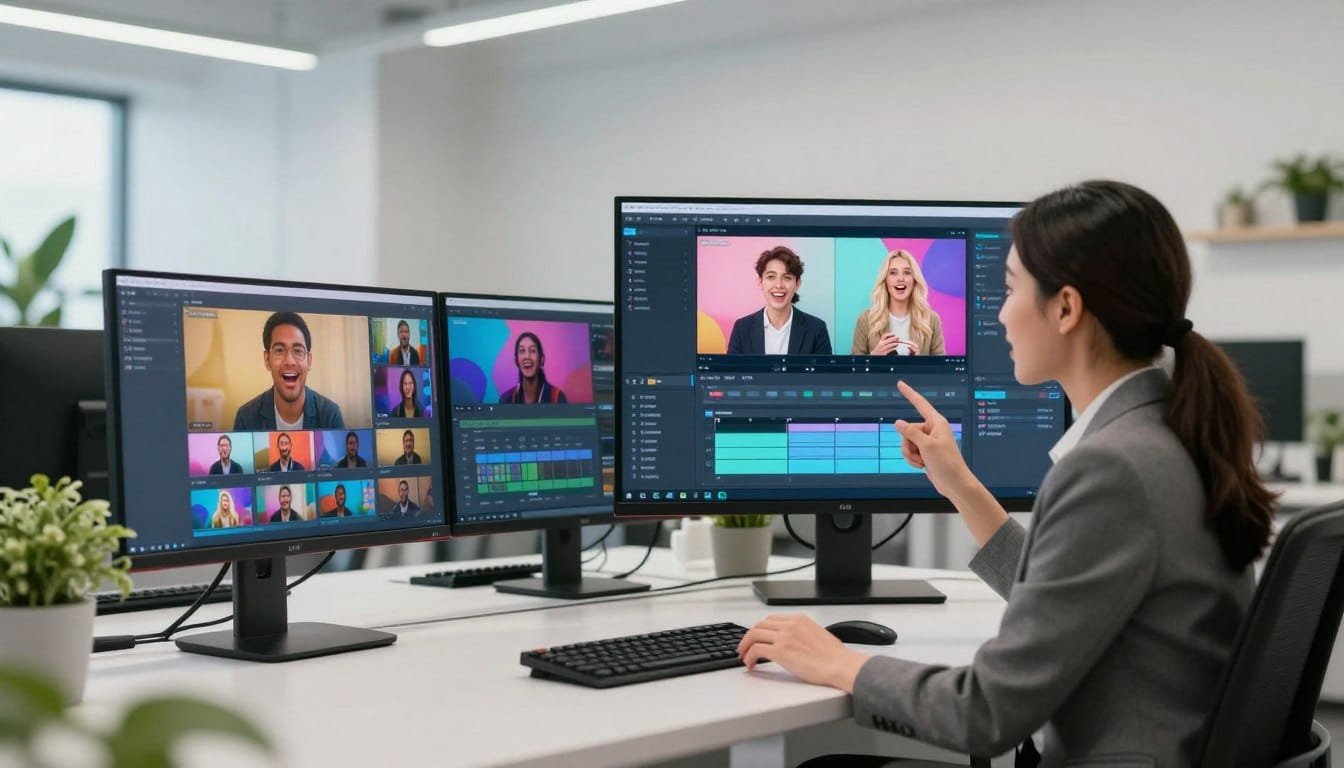
drag-and-drop video creation
Simplifying the Editing Process
An automated video creator streamlines the workflow by providing pre-built structures that handle the heavy lifting. Instead of worrying about frame rates or complex timelines, users can focus on the narrative and the message. This approach ensures that your brand maintains a high volume of content without needing specialized video editing expertise.
“The democratization of video production means that the best ideas can now come from anyone in the organization, not just the creative department.”
Customizing Scenes Without Technical Skills
You can easily adjust layouts and swap assets using simple mouse movements. These tools allow for rapid scene customization, ensuring that every video feels fresh and on-brand. By mastering these intuitive interfaces, your team can maintain consistency across all digital channels.
The following table highlights the key differences between traditional editing and modern automated workflows:
| Feature | Traditional Editing | Automated Workflow |
| Learning Curve | High (Months) | Low (Minutes) |
| Asset Management | Manual/Complex | Drag-and-Drop |
| Production Speed | Slow | Rapid |
| Technical Skill | Required | Not Needed |
Utilizing an automated video creator effectively empowers your staff to produce professional results on demand. By embracing drag-and-drop video creation, your business can scale its content strategy while keeping costs low and quality high.
Ensuring Brand-Aligned Video Content Consistency
Consistency is the secret ingredient that turns casual viewers into loyal brand advocates. When you scale your production using artificial intelligence, keeping a unified look and feel is essential for long-term success. By focusing on brand-aligned video content, you ensure that every piece of media reinforces your core message.
Maintaining Tone and Voice Across Videos
Your brand voice acts as the personality of your business. Whether you are creating educational tutorials or promotional clips, the language used must remain distinct and recognizable. AI tools often allow you to set specific parameters for tone, such as professional, playful, or authoritative.
Always double-check that your scripts reflect these settings before finalizing your project. A consistent voice helps your audience feel a deeper connection to your company, regardless of which platform they use to view your videos.
“Consistency is the true foundation of trust in the digital age; without it, your message simply fades into the noise.”
Reviewing AI Outputs for Brand Compliance
Even the most advanced tools require a human touch to guarantee quality. Implementing a rigorous review process is the best way to catch discrepancies early. You should verify that every piece of brand-aligned video content adheres to your established visual style guide.
Consider these steps for your review workflow:
- Check that color palettes match your official brand assets.
- Ensure logos are placed correctly and remain legible.
- Verify that the pacing of the video aligns with your brand’s energy.
By taking these extra moments to review your work, you protect your reputation. Precision in your process leads to professional results that resonate with your target audience every time.
Advanced Tips for Instant Brand Videos
If you want to master the art of instant brand videos, it is time to explore the power of synthetic media. While basic drag-and-drop video creation provides a solid foundation, advanced features allow you to craft a truly unique narrative. By moving beyond standard templates, you can ensure your content resonates deeply with your target audience.
Utilizing AI Voiceovers and Avatars
Synthetic voiceovers offer a professional polish that was once reserved for high-budget studios. You can now select from a variety of tones and accents to match your brand personality perfectly. This level of customization ensures that your message is delivered with the right emotional weight every single time.
Digital avatars take this personalization even further by providing a human-like face for your brand. These dynamic characters can present your updates or explain complex products without the need for a physical film crew. Using these tools helps you maintain a consistent, high-quality presence across all your digital channels.
Scaling Content Production for Social Media
Social media platforms demand a constant stream of fresh, engaging content to keep algorithms happy. You can scale your output significantly by repurposing your core assets into multiple short-form clips. This strategy allows you to maintain a steady flow of instant brand videos without burning out your creative team.
Focus on creating modular content that can be easily adapted for different platforms like Instagram, TikTok, or LinkedIn. By leveraging automated workflows, you can spend less time on manual editing and more time on strategic planning. This approach ensures that your brand stays relevant and visible in a crowded digital space.
Troubleshooting Common AI-Powered Video Editing Challenges
Even the most advanced ai video creation tool can occasionally run into technical hiccups during the rendering process. While these platforms are designed to streamline your workflow, minor glitches can sometimes occur. Understanding how to address these issues ensures that your final output always meets professional quality standards.
Fixing Formatting and Aspect Ratio Issues
One of the most frequent hurdles involves incorrect aspect ratios that do not match your target social media platform. If your video appears stretched or cropped, check the project settings before you begin the export process. Most modern platforms allow you to toggle between landscape, portrait, and square formats with a single click.
Always verify that your source media matches the intended output dimensions to avoid unwanted letterboxing. If you are creating instant brand videos for multiple channels, consider using a tool that supports batch resizing. This simple step saves time and prevents the need for manual re-editing later.
Refining AI-Generated Visuals for Better Quality
Sometimes, the output from ai-powered video editing software may contain visual artifacts or slight blurriness. These issues often stem from low-resolution source files or complex scene transitions that the software struggles to process. To improve clarity, ensure that your uploaded assets are high-definition and well-lit.
If you notice persistent quality issues, try simplifying the visual elements within the scene. Reducing the number of layers or effects can often help the AI render a cleaner, more professional result. Remember that refining your inputs is the best way to guarantee that your instant brand videos look polished and consistent every time.
By mastering these basic troubleshooting techniques, you can confidently use any ai video creation tool to produce high-quality content. Staying patient and methodical will help you overcome any technical barriers you might face during your creative journey.
Conclusion
Modern marketing demands speed and precision to capture audience attention. Integrating smart technology into your workflow allows you to produce professional brand-aligned video content with ease. You now possess the tools to scale your output while keeping your unique identity intact.
Success relies on careful preparation and selecting the right platforms for your specific goals. By organizing your assets and maintaining strict quality control, you ensure every clip resonates with your target market. Embracing ai-powered video editing changes how you connect with customers across social media channels.
Take the next step by auditing your current media library and testing new automated workflows. Consistent practice leads to better results and faster production cycles. Start building your library of high-quality assets to stay ahead of the competition in this fast-paced digital landscape.
Share your experiences with these new tools on social media platforms like LinkedIn or Twitter. Engaging with your community helps you refine your approach and discover new creative possibilities. Your journey toward efficient and impactful video production starts right now.