


Is Hypernatural AI Replacing Real Models?
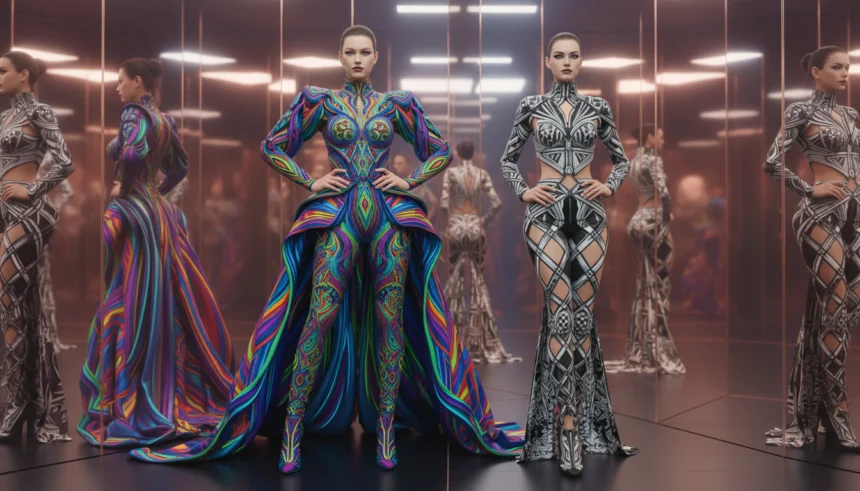
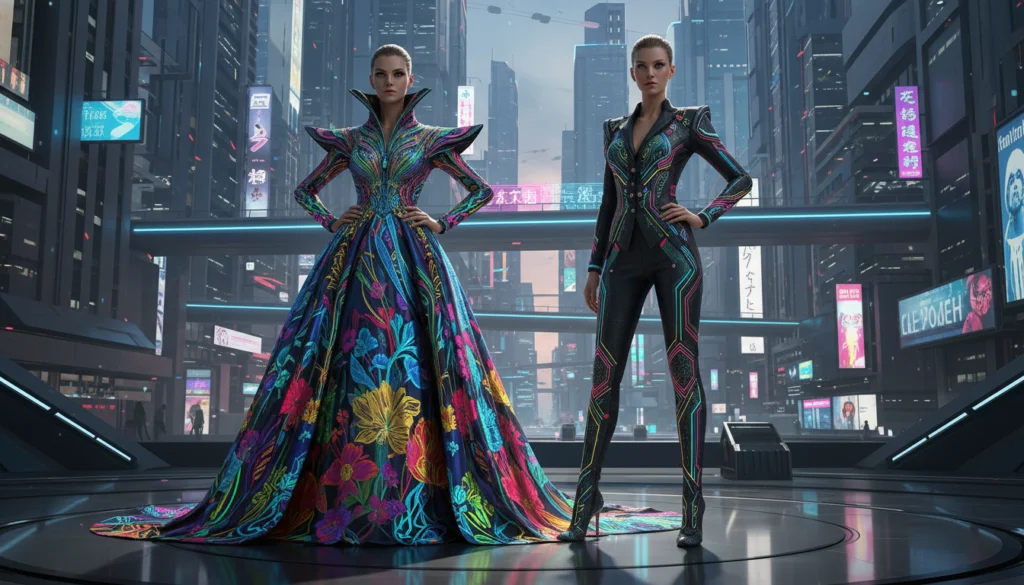
The fashion industry is currently undergoing a massive transformation. We are witnessing the rise of Hypernatural AI Models, which are changing how brands showcase their latest collections. These digital entities look incredibly lifelike, making it harder than ever to distinguish between a human professional and a computer-generated image.
- The Rise of Hypernatural AI Models in Modern Fashion
- Defining the Technology Behind Hyperreal AI Fashion
- The Evolution from Digital Avatars to Hypernatural Entities
- How Machine Learning and Neural Networks Create Perfection
- The Role of Deep Learning Algorithms in Texture Mapping
- Natural Language Processing and Personality Synthesis
- The Economic Impact on the Modeling Industry
- Hypernatural AI in Fashion Campaigns and Social Media
- Case Studies of Successful AI-Driven Marketing
- The Blurred Lines Between Reality and Digital Creation
- Ethical Considerations and the Future of Representation
- Technological Limitations and the Uncanny Valley
- Legal and Copyright Challenges in the Age of AI
- The Changing Role of Fashion Photographers and Stylists
- Adapting Creative Workflows to Virtual Environments
- Collaborating with AI to Enhance Human Creativity
- Consumer Perception and the Demand for Transparency
- Conclusion
- FAQ
- What exactly are hypernatural AI models and how do they differ from older digital avatars?
- Is artificial intelligence actually going to replace human models in the fashion industry?
- How do deep learning algorithms help create such realistic fabric and skin textures?
- Can a digital model have a personality, or are they just static images?
- What are the economic benefits for brands like Prada or Louis Vuitton when using AI?
- Are there ethical concerns regarding beauty standards and bias in AI modeling?
- What is the “uncanny valley” and does it still affect hyperreal AI fashion?
- Who owns the rights to an AI model’s face and digital likeness?
- How are fashion photographers and stylists adapting to these new AI tools?
- Why is there such a strong demand for transparency and disclosure in AI advertising?
Hypernatural AI Models
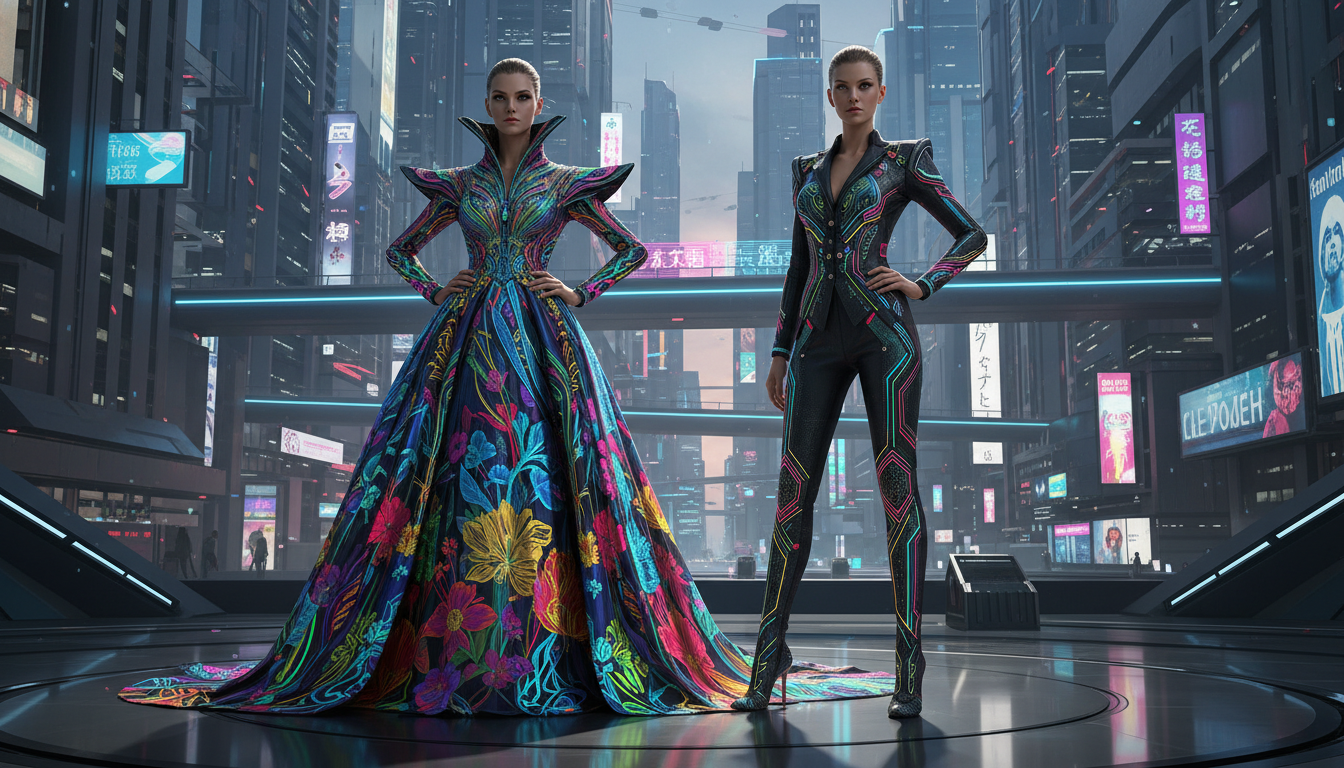
Many people wonder if this advanced technology will eventually push human talent out of the spotlight. While artificial intelligence offers brands endless creative possibilities, it also raises important questions about authenticity and representation. We are entering an era where the line between reality and digital creation is blurring rapidly.
Is this shift a threat to traditional careers, or is it simply a new tool for designers? Let’s explore whether these synthetic figures are truly poised to replace the human faces we have known for decades.
Key Takeaways
- Digital fashion is evolving with the emergence of highly realistic synthetic entities.
- Technology is challenging traditional standards of brand representation in the modern era.
- The distinction between human professionals and digital creations is becoming increasingly difficult to spot.
- Brands are leveraging new tools to push creative boundaries in advertising and design.
- The future of the industry likely involves a blend of human talent and digital innovation.
The Rise of Hypernatural AI Models in Modern Fashion
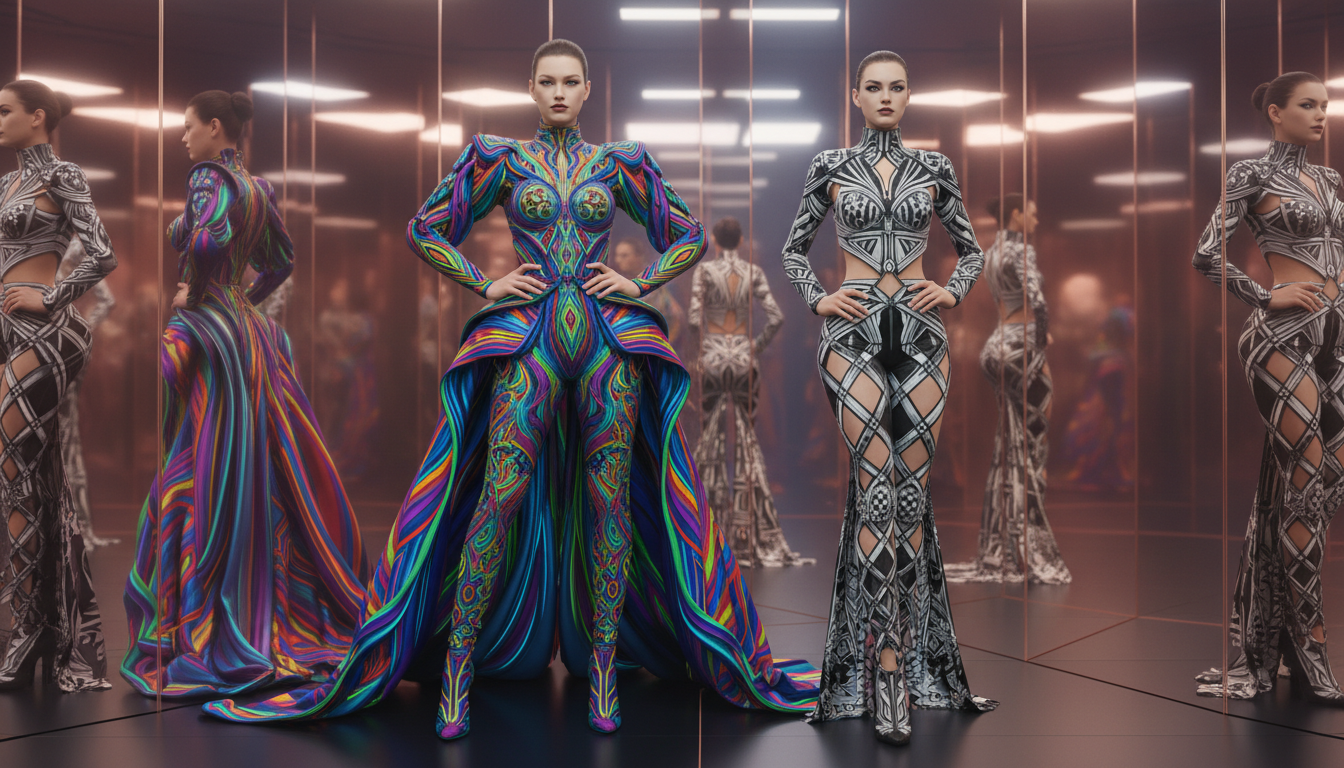
The rapid rise of virtual entities is fundamentally changing the landscape of modern high-end fashion. Brands are increasingly turning to Hypernatural AI Models to showcase their latest designs with precision and creative freedom. This shift represents more than just a trend; it is a complete reimagining of how we perceive digital beauty.
Hypernatural AI Models
Defining the Technology Behind Hyperreal AI Fashion
At the core of Hyperreal ai fashion lies a complex blend of neural rendering and advanced motion capture. These systems utilize generative adversarial networks to synthesize textures that mimic human skin, hair, and fabric movement with startling accuracy. By processing massive datasets of human anatomy, the software creates visuals that are nearly indistinguishable from reality.
“The future of fashion is not just about the clothes we wear, but the digital vessels we create to display them to the world.”
This technology allows designers to bypass the physical constraints of traditional photoshoots. Hypernatural AI in fashion provides a platform where lighting, environment, and pose can be adjusted in real-time. This level of control ensures that every campaign meets the exact vision of the creative director.
The Evolution from Digital Avatars to Hypernatural Entities
Early digital avatars were often stiff, lacking the fluid movement required for high-fashion photography. They functioned as simple 3D shells that struggled to convey genuine emotion or realistic interaction with clothing. Today, the industry has moved far beyond those primitive roots.
Modern Hypernatural AI Models now possess the ability to simulate micro-expressions and natural body language. This evolution from static assets to dynamic, lifelike entities has made Hyperreal ai fashion a staple in global marketing strategies. As Hypernatural AI in fashion continues to mature, the boundary between the physical and the virtual will only continue to fade.
How Machine Learning and Neural Networks Create Perfection
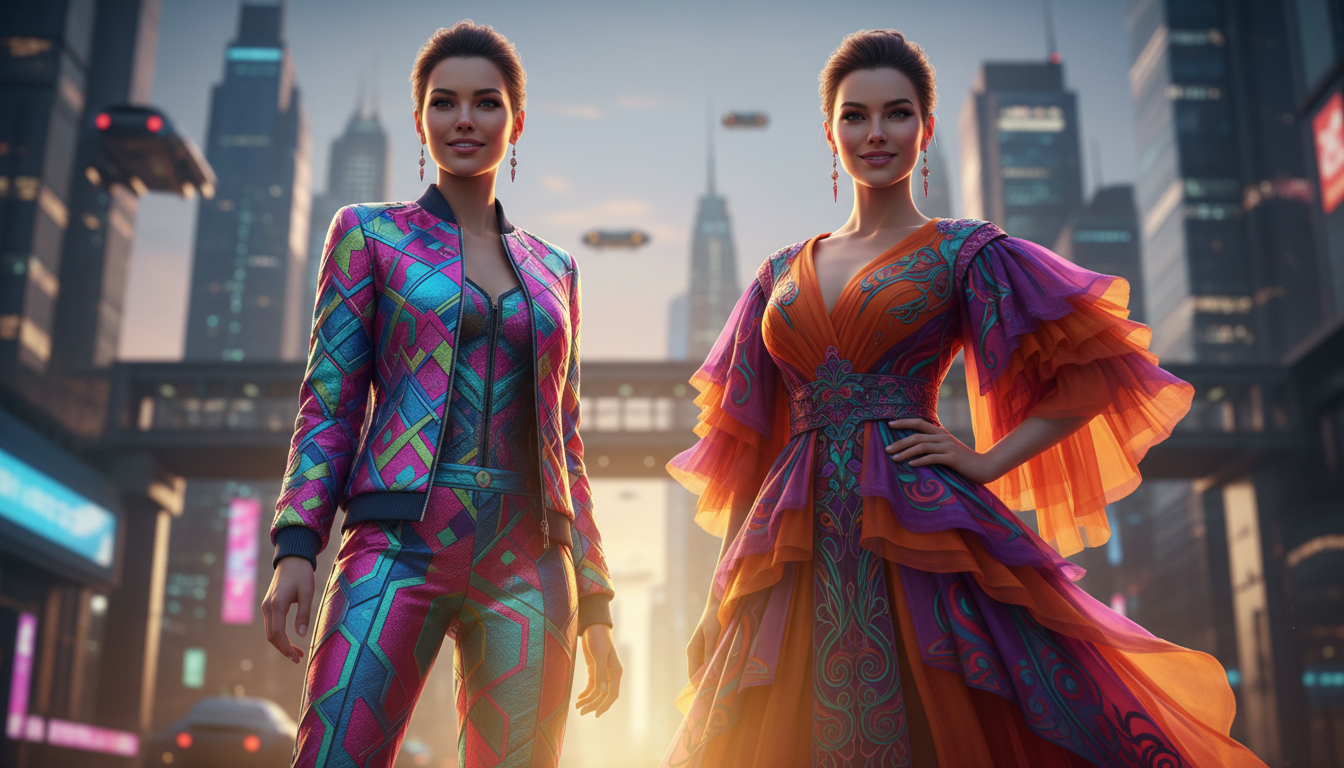
Neural networks are the silent architects of today’s most convincing virtual influencers. By processing vast amounts of visual data, these systems learn to replicate human features with startling accuracy. This sophisticated machine learning approach allows developers to move beyond simple animation into the realm of true digital realism.
Hypernatural AI Models
The Role of Deep Learning Algorithms in Texture Mapping
Achieving a lifelike appearance requires more than just a 3D model; it demands precise surface detail. Engineers utilize deep learning algorithms to analyze how light interacts with human skin and various fabric types. This process ensures that every pore, wrinkle, and fold looks authentic under different lighting conditions.
The technical pipeline for these Hypernatural AI Models typically includes several key stages:
- Subsurface scattering simulation to mimic how light penetrates human skin.
- Dynamic fabric physics that adjust to movement and gravity in real-time.
- High-resolution texture synthesis to prevent the “plastic” look common in older CGI.
Natural Language Processing and Personality Synthesis
Visuals alone are not enough to capture an audience’s attention. To make these digital entities feel truly alive, developers integrate natural language processing to shape their unique voices and communication styles. This technology enables the AI to engage in conversations that feel genuinely human and relatable.
By training models on specific datasets, creators can synthesize distinct personalities that align with brand values. Whether a digital influencer is witty, professional, or adventurous, natural language processing ensures consistency across all social media interactions. This blend of visual perfection and personality synthesis is what truly sets modern neural networks apart in the competitive fashion landscape.
The Economic Impact on the Modeling Industry
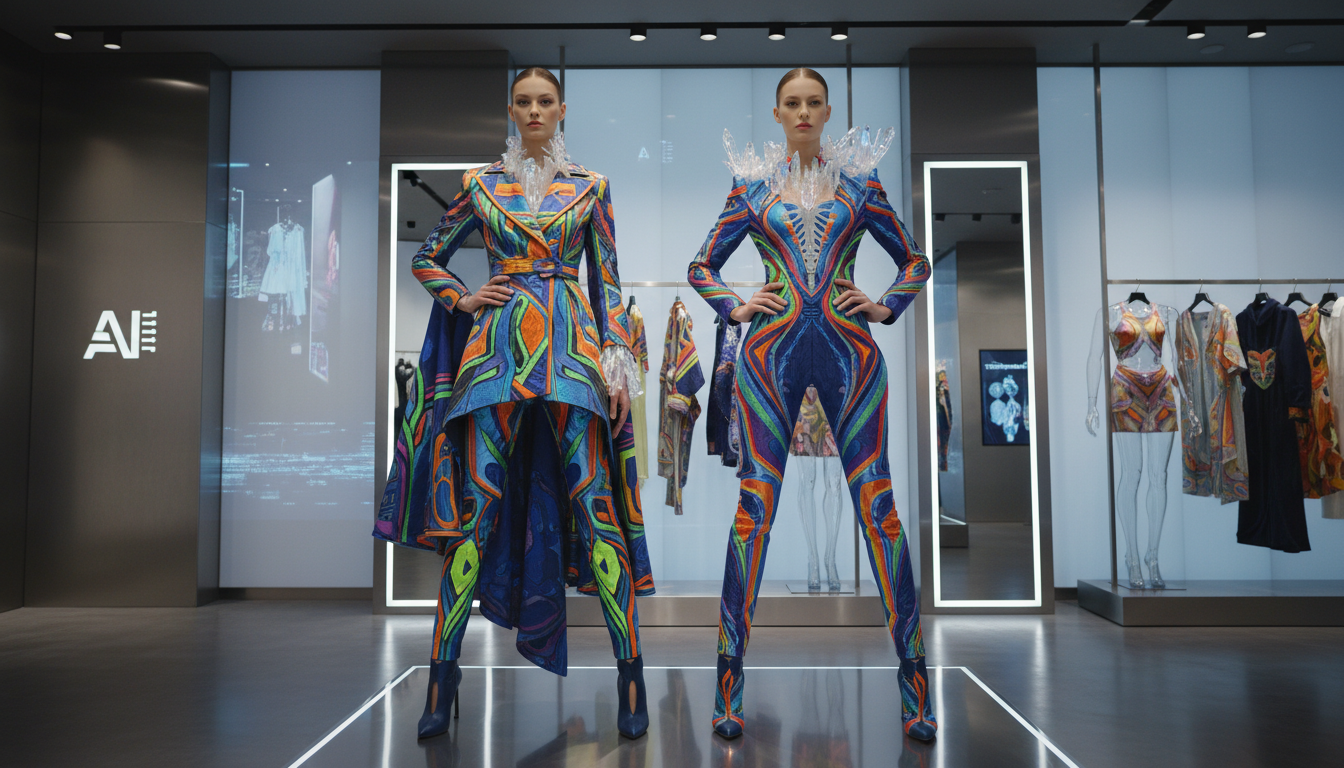
The rise of synthetic models is fundamentally altering the bottom line for global fashion houses. Brands are no longer tethered to the high costs of traditional production cycles. Instead, they are leveraging artificial intelligence to streamline their creative output and maximize profitability.
artificial intelligence in fashion industry
Cost-Efficiency for Brands and Retailers
Traditional photoshoots often require massive investments in travel, studio rentals, and large production crews. By utilizing advanced data analytics, companies can now predict consumer preferences and generate high-quality imagery without leaving the office. This shift significantly reduces overhead expenses while maintaining a high standard of visual appeal.
Retailers are finding that machine learning allows them to iterate on designs and campaigns in real-time. This agility provides a distinct competitive advantage in a fast-paced market. The following table highlights the primary financial differences between these two production methods:
| Expense Category | Traditional Modeling | AI-Driven Production |
| Logistics & Travel | High | Negligible |
| Studio/Equipment | High | Low |
| Turnaround Time | Weeks | Hours |
The Shift in Demand for Human Talent
The integration of cognitive computing does not necessarily mean the end of human models, but it does change their role. Brands are increasingly using synthetic entities for routine product shots, reserving human talent for high-end, emotional storytelling. This strategic division of labor helps companies optimize their marketing budgets effectively.
As advanced data analytics become more sophisticated, the industry is seeing a transition toward hybrid workflows. Human models are now often hired for their unique personal brands rather than just their physical appearance. This evolution is supported by:
- Increased reliance on machine learning to personalize digital assets for specific demographics.
- The use of cognitive computing to simulate diverse body types and styles instantly.
- A strategic focus on artificial intelligence to handle repetitive, high-volume catalog work.
The future of fashion retail lies in the seamless blend of human creativity and digital efficiency.
Hypernatural AI in Fashion Campaigns and Social Media
Have you ever scrolled through your feed and wondered if the model you are admiring is actually human? The landscape of social media marketing is undergoing a radical transformation through the use of synthetic personas. Hypernatural AI in fashion is no longer a futuristic concept; it is a present-day reality that brands are leveraging to capture the attention of a tech-savvy audience.
Case Studies of Successful AI-Driven Marketing
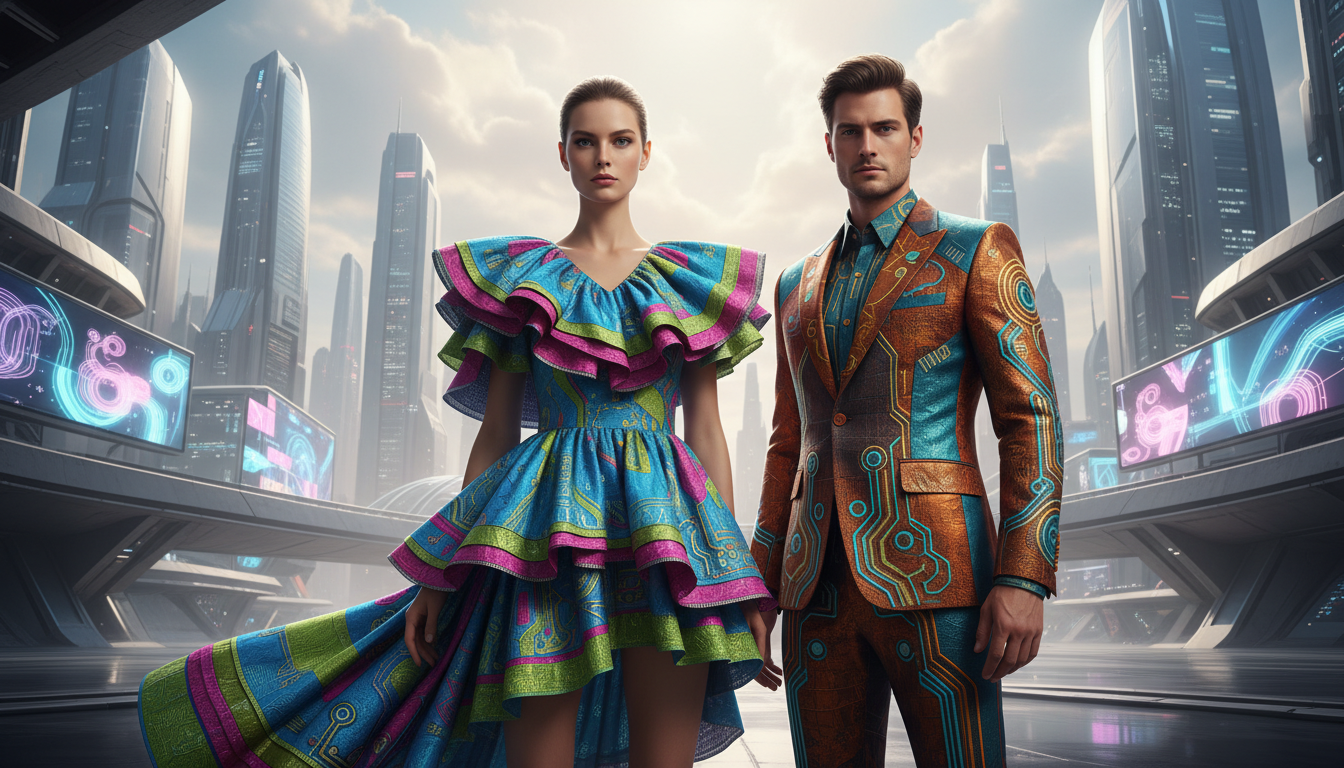
Major luxury houses have begun experimenting with virtual ambassadors to maintain a consistent brand voice across global platforms. For instance, brands like Balmain have utilized digital models to showcase their collections, creating a seamless blend of high fashion and cutting-edge technology. These campaigns rely on complex neural networks to ensure that every movement and expression feels intentional and polished.
Ai fashion models hyperreal
By utilizing Ai fashion models hyperreal in their visual assets, these companies can bypass the logistical constraints of traditional photoshoots. This approach allows for rapid content production that keeps pace with the fast-moving nature of social media trends. It is a strategic move that prioritizes efficiency without sacrificing the aesthetic quality that luxury consumers expect.
The Blurred Lines Between Reality and Digital Creation
The visual impact of these campaigns is profound, often leaving audiences questioning what is truly authentic. Modern digital-native consumers are increasingly comfortable with fluid identities, making them more receptive to non-human influencers. This shift suggests that the value of a campaign lies in its ability to tell a compelling story rather than the biological status of the model.
As neural networks continue to evolve, the distinction between a real person and a digital construct will become even harder to spot. This evolution forces us to reconsider our relationship with digital media and the nature of influence itself. Ultimately, Hypernatural AI in fashion is redefining the boundaries of creativity, proving that Ai fashion models hyperreal can hold just as much cultural weight as their human counterparts.
Ethical Considerations and the Future of Representation
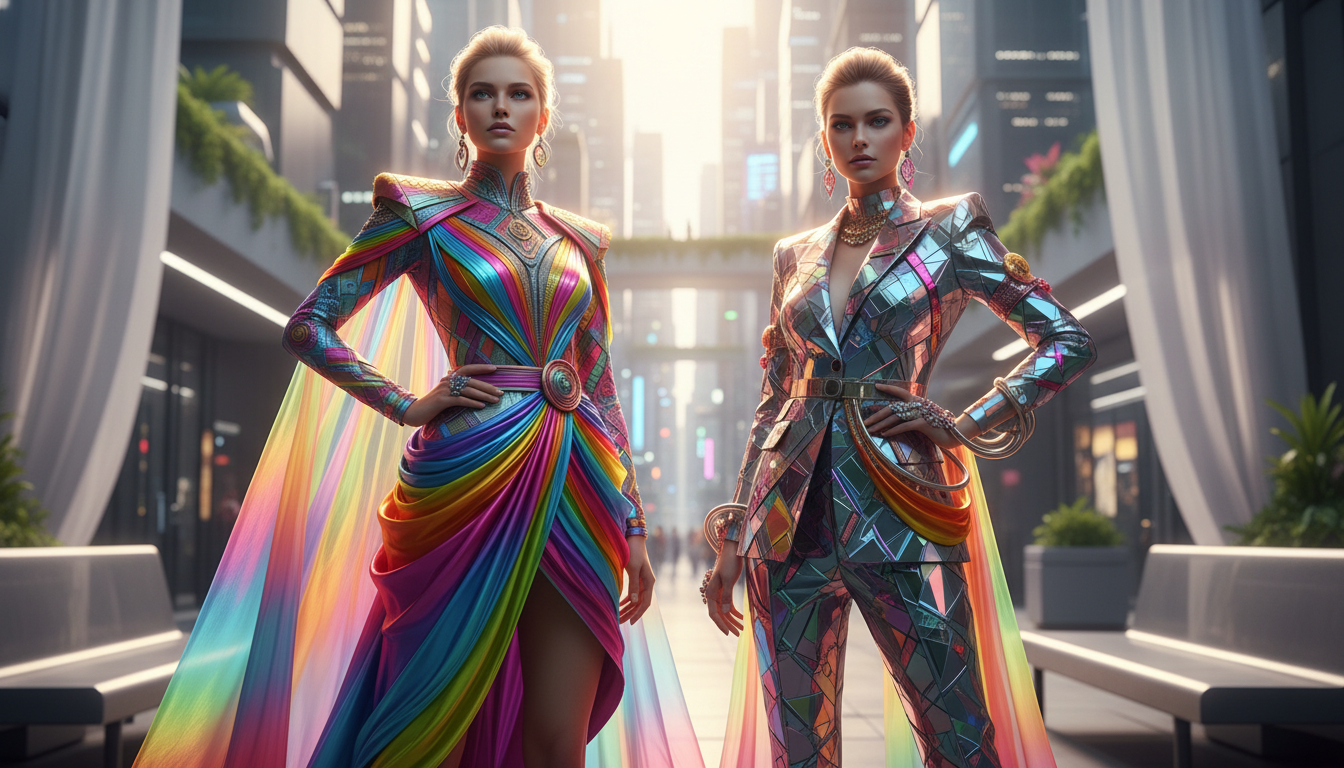
The rapid shift toward virtual models forces us to confront the hidden biases embedded in our creative tools. As the industry embraces Hyperreal ai fashion, stakeholders must weigh the benefits of innovation against the potential for social harm. Navigating this new landscape requires a commitment to transparency and fairness.
Hyperreal ai fashion
Addressing Bias in Algorithmic Beauty Standards
At the heart of this technological shift lies the challenge of data curation. When developers rely on cognitive computing to generate images, the system often mirrors the prejudices found in its training data. If the input images lack diversity, the resulting digital models will inevitably perpetuate narrow and exclusionary beauty standards.
To prevent these issues, companies must prioritize inclusive datasets that reflect the true variety of human appearance. Without careful oversight, automated systems risk reinforcing outdated stereotypes rather than breaking them. Ethical development is not just a technical requirement; it is a social responsibility for every brand.
The Importance of Human Authenticity in Branding
Despite the efficiency of synthetic media, many brands still prioritize real people to maintain a genuine connection with their audience. Consumers often seek emotional resonance that algorithms struggle to replicate. Human models bring a unique history and personality that fosters trust in a way that code cannot.
While Hyperreal ai fashion offers endless creative possibilities, it cannot replace the lived experience of a human being. Brands that lean too heavily on synthetic imagery may find themselves disconnected from their core customer base. Using cognitive computing as a tool for enhancement rather than a total replacement remains the most balanced approach for the future.
| Feature | Human Models | AI Models |
| Emotional Connection | High | Low |
| Cost Efficiency | Moderate | High |
| Bias Risk | Low | High |
| Creative Control | Limited | Total |
Technological Limitations and the Uncanny Valley
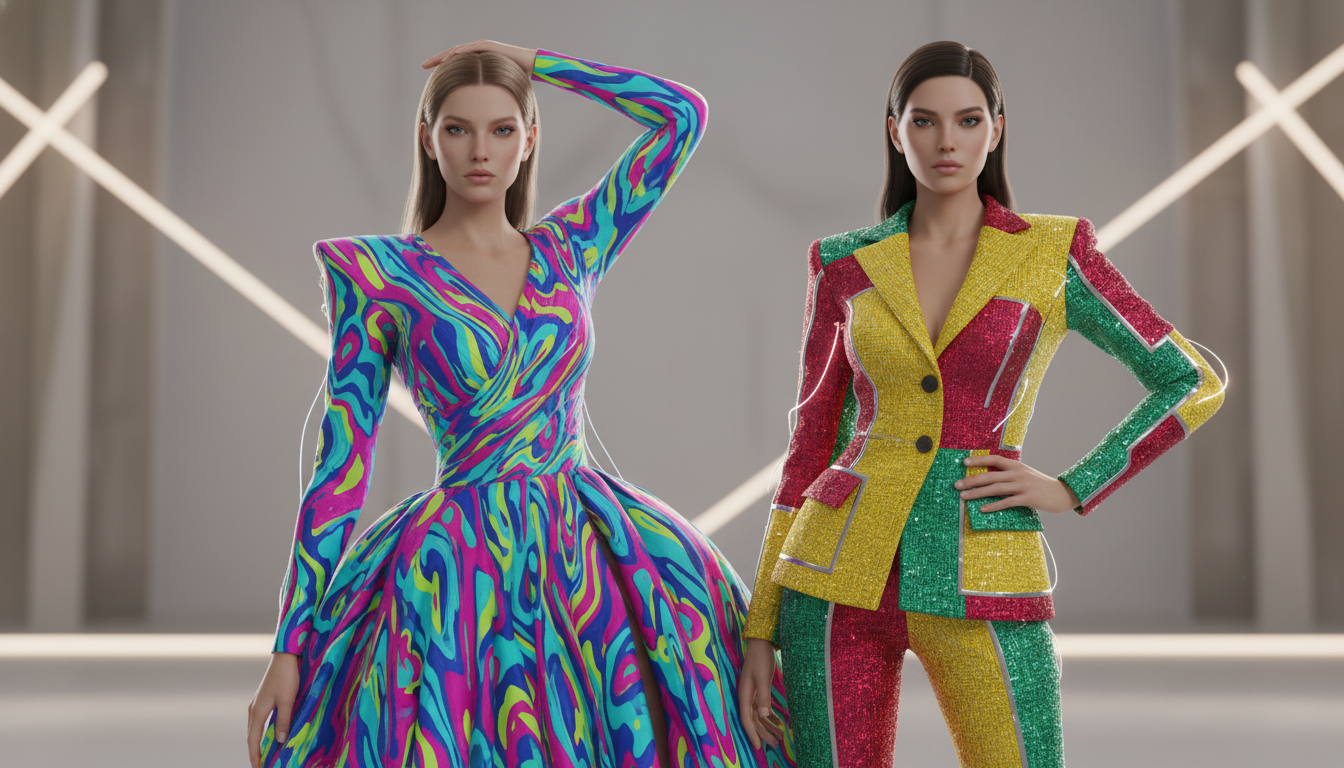
The quest for perfection in digital fashion often hits a wall known as the uncanny valley. This phenomenon occurs when a digital figure looks almost human but feels slightly off, triggering a sense of unease in the viewer. Even as Ai fashion models hyperreal designs become more sophisticated, bridging this gap remains a complex challenge for developers.
Ai fashion models hyperreal
Why Human Models Still Hold a Competitive Edge
Human models possess an innate ability to convey genuine emotion and subtle physical nuances that machines struggle to replicate. While a digital avatar can mimic a pose, it often lacks the spontaneous micro-expressions that define a high-fashion editorial. Brands continue to rely on human talent because they provide a level of authenticity that resonates deeply with consumers.
The following table highlights the key differences between human and synthetic models in professional settings:
| Feature | Human Models | Synthetic Models |
| Emotional Depth | High | Low |
| Physical Versatility | Moderate | High |
| Authenticity | Natural | Simulated |
Overcoming the Challenges of Emotional Connection
Current deep learning algorithms are incredibly powerful, yet they often fail to capture the complexity of human non-verbal communication. Replicating the way a person’s eyes shift or how their posture changes during a conversation requires massive amounts of data. Without these subtle cues, the connection between the viewer and the digital model feels hollow.
To improve these interactions, developers are focusing on several key areas:
- Refining deep learning algorithms to better interpret human micro-movements.
- Integrating more diverse datasets to avoid robotic or repetitive behaviors.
- Enhancing the lighting and texture mapping to ensure skin looks realistic under various conditions.
Ultimately, the goal is to create a seamless experience where the viewer forgets they are looking at a digital creation. Until these technical hurdles are cleared, human models will remain the gold standard for luxury and high-impact fashion campaigns.
Legal and Copyright Challenges in the Age of AI
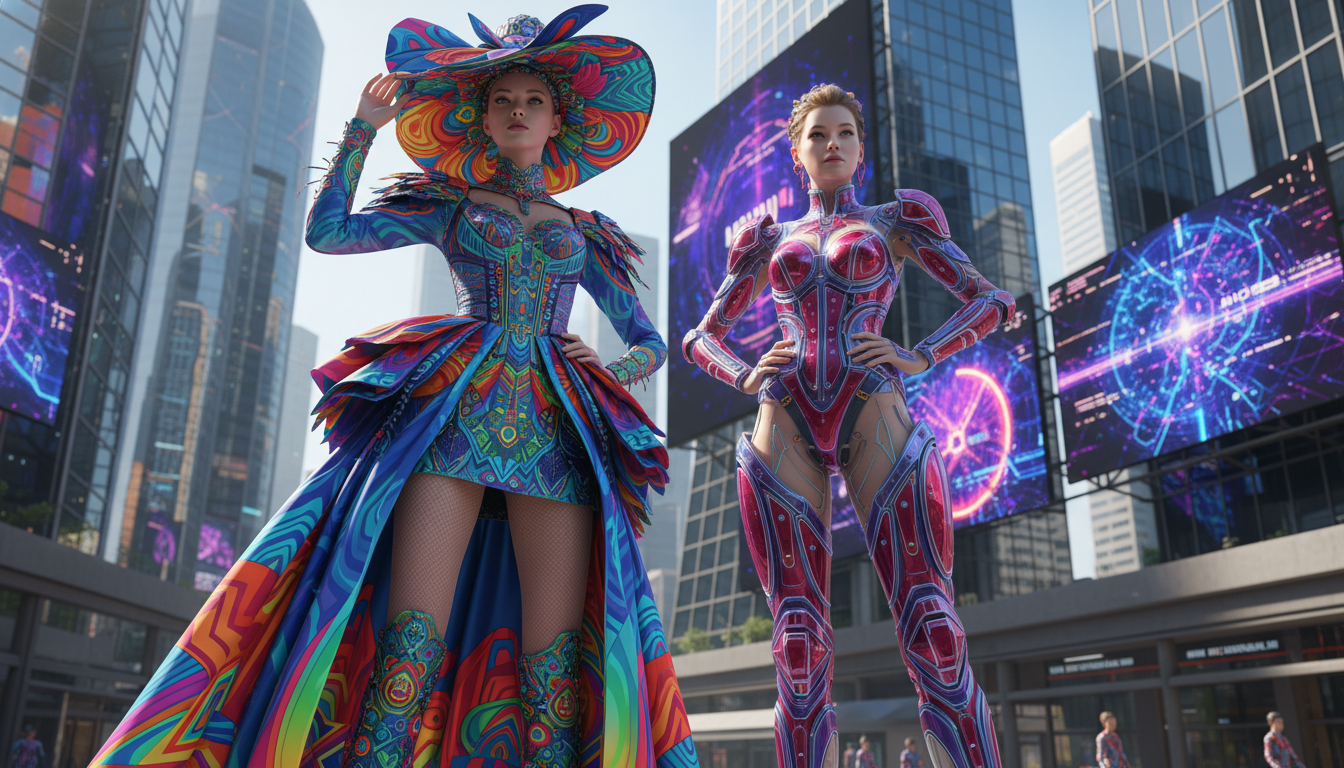
As digital models become indistinguishable from humans, the law struggles to define who actually owns a virtual face. The rapid rise of artificial intelligence has created a legal minefield for creators and brands alike. Traditional frameworks were designed for physical assets, leaving a massive gap in how we protect digital identity.
artificial intelligence
Ownership of Digital Likenesses
Establishing clear ownership over a synthetic persona is a daunting task. When a brand commissions a digital model, the question arises: does the likeness belong to the software developer, the brand, or the person whose features inspired the artificial intelligence? Current regulations often fail to account for the nuances of generative technology.
Many legal experts argue that we need new statutes to protect individual identity rights. Without clear guidelines, companies risk lawsuits regarding the unauthorized use of digital twins. Protecting personal branding in a virtual space is now a top priority for legal teams worldwide.
“The law is a living organism that must adapt to the rapid evolution of technology, or it risks becoming obsolete in the face of digital innovation.”
Navigating Intellectual Property in Synthetic Media
Intellectual property laws are currently being tested by the emergence of hyper-realistic digital entities. Because artificial intelligence can generate content in seconds, determining the “author” of a work is increasingly difficult. Courts are now forced to decide if a machine can hold copyright or if that right remains exclusively with the human operator.
Brands must be cautious when integrating these tools into their marketing strategies. Navigating the complexities of synthetic media requires a proactive approach to licensing and data usage. As artificial intelligence continues to reshape the fashion industry, staying informed on evolving copyright standards is essential for long-term success.
The Changing Role of Fashion Photographers and Stylists
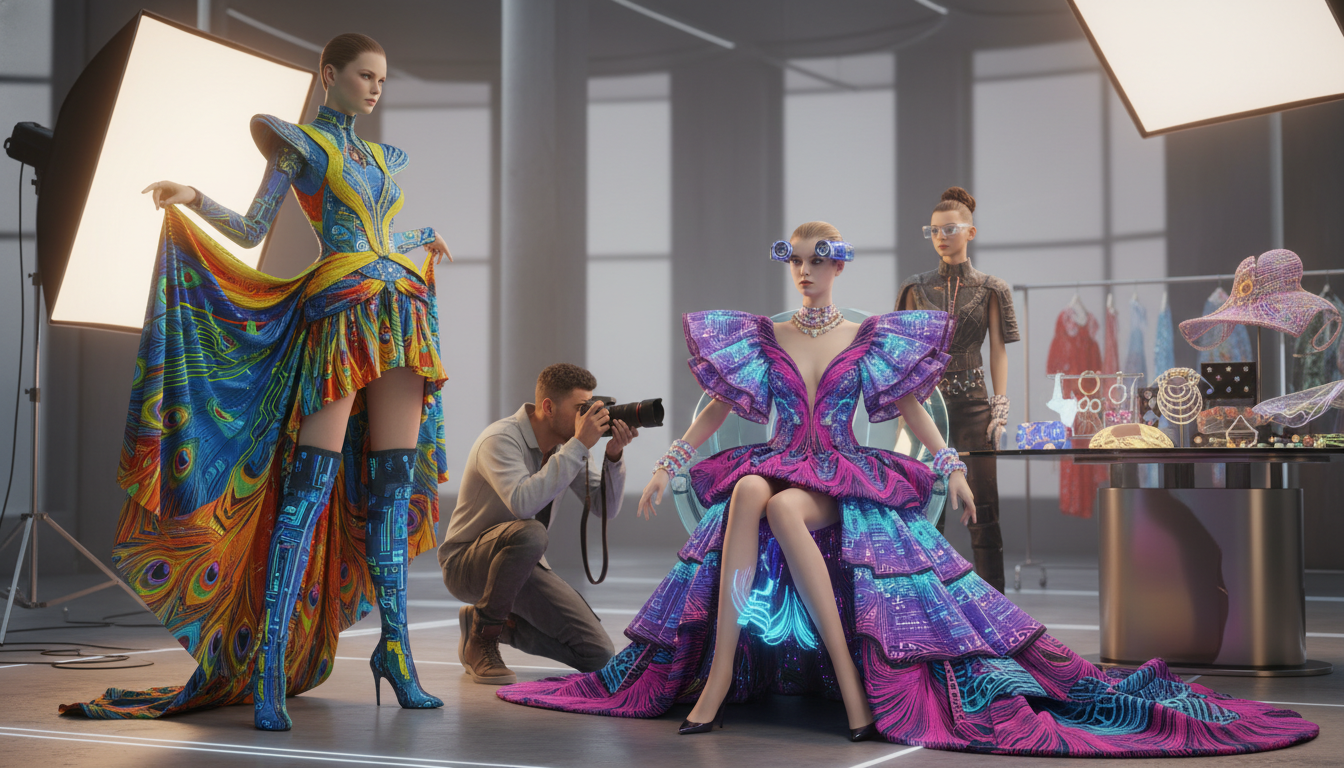
Fashion photographers and stylists are finding that their roles are evolving rather than disappearing in the age of automation. Instead of being replaced by software, these professionals are becoming architects of digital experiences. They now leverage new technology to push the boundaries of what is possible in a visual campaign.
This shift allows for a more fluid creative process where the physical and digital worlds intersect. By embracing these changes, artists can focus on high-level conceptual work while leaving repetitive tasks to automated systems.
machine learning in fashion photography
Adapting Creative Workflows to Virtual Environments
The transition to virtual environments offers photographers unprecedented control over lighting, set design, and camera angles. Professionals can now simulate complex environments that would be impossible or too costly to build in a physical studio. This increased efficiency allows teams to iterate on concepts in real-time.
Stylists are also finding new ways to work within these digital spaces. They can now manipulate textures and fabrics in a virtual environment to see how they drape on a model before a single piece of clothing is manufactured. This level of experimentation fosters a more innovative approach to fashion design.
Collaborating with AI to Enhance Human Creativity
Many creators are now using machine learning to augment their artistic vision. By training models on their own unique aesthetic, photographers can generate variations of a scene that align with their personal style. This partnership between human intuition and machine learning ensures that the final output remains authentic to the creator’s intent.
The following table highlights how these new tools compare to traditional methods in the fashion industry:
| Feature | Traditional Workflow | AI-Augmented Workflow |
| Set Design | Physical construction | Virtual rendering |
| Production Speed | Slow and iterative | Rapid and scalable |
| Technology Use | Manual camera settings | Integrated machine learning |
| Creative Scope | Limited by physics | Unlimited digital potential |
Consumer Perception and the Demand for Transparency
Modern consumers are increasingly vocal about their desire for authenticity in the digital age. As brands integrate synthetic models into their marketing strategies, the public has begun to question the line between human creativity and automated generation. This shift in awareness forces companies to rethink how they present their digital assets to the world.
How Audiences React to AI-Generated Influencers
Public reaction to virtual influencers is often a mix of fascination and skepticism. Many users appreciate the artistic innovation, while others feel a sense of unease when they cannot distinguish a digital creation from a real person. To understand these complex feelings, companies now utilize natural language processing to scan social media comments and reviews.
This technology allows brands to categorize feedback into positive, neutral, or negative sentiment. By analyzing these patterns, businesses can determine if their audience feels misled or entertained. Most shoppers simply want to know if the person they are following is a real human or a sophisticated software program.
The Growing Need for Disclosure in Advertising
The demand for clear labeling has become a top priority for regulatory bodies and consumer advocacy groups. When a brand uses a synthetic model, failing to disclose its nature can damage long-term trust. Transparency is no longer just a legal suggestion; it is a vital component of modern brand loyalty.
Brands are now leveraging advanced data analytics to track how disclosure statements impact engagement rates. These insights help marketers find the right balance between creative storytelling and honest communication. The following table highlights how different consumer segments typically perceive various types of influencer content.
| Influencer Type | Trust Level | Primary Concern |
| Human Influencer | High | Authenticity of endorsement |
| AI-Generated Model | Moderate | Lack of disclosure |
| Hybrid/Digital Avatar | Low | Uncanny valley effect |
Ultimately, the future of fashion marketing depends on the ability to maintain genuine connections with the audience. By prioritizing honesty, brands can successfully navigate the transition into a world where digital and human models coexist. Clear communication remains the most effective tool for building lasting relationships with customers.
Conclusion
The fashion industry stands at a unique crossroads where digital innovation meets human artistry. Brands like Prada and Balenciaga now navigate a landscape where hypernatural AI models exist alongside traditional talent. This shift changes how we perceive beauty and style in the digital age.
Technological progress offers exciting tools for creative expression and efficiency. These advancements allow designers to push boundaries in ways that were once impossible. Yet, the core of fashion remains rooted in the human experience and emotional connection.
A hybrid approach will likely define the coming years. Digital entities provide versatility for global campaigns, while human models bring a relatable touch that consumers crave. This balance ensures that technology serves the creative vision rather than replacing the soul of the industry.
We invite you to consider how these changes impact your own style choices. Will you embrace the precision of synthetic media, or do you prefer the raw authenticity of human presence? Share your thoughts on this evolution as we move into a new era of visual storytelling.